




No longer a baby…
At five and six, your child has lots of energy, plus the balance and coordination for lots of activities, including riding a bike, swimming, skipping, and playing with a ball. She can also use her fingers to control writing and painting tools, to dress and undress dolls, and manage zips and buttons.
Physical Skill Development
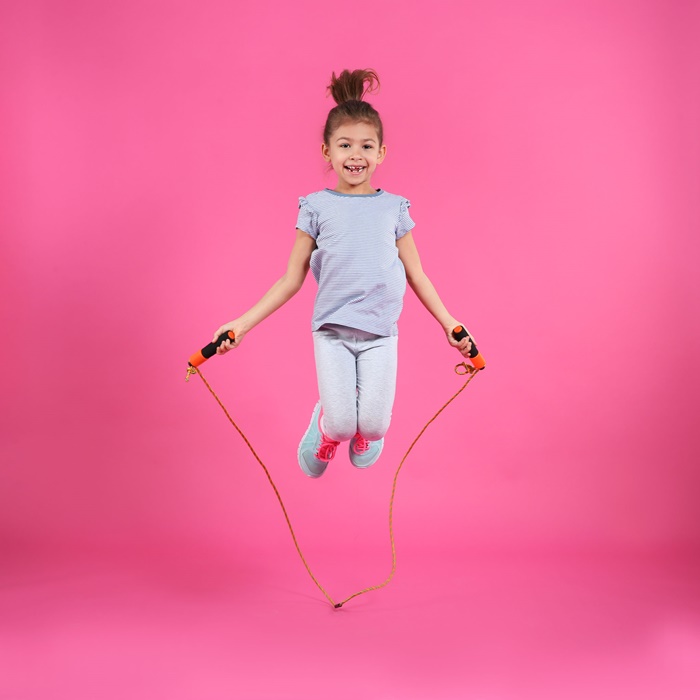
At five, your child can walk and run with ease. He can also maintain an even gait in stepping. He can walk backward and skip quickly. Most girls skip well, but some boys lag behind in skipping until as late as eight years of age. Your child will begin to be interested in games of chasing and running and can incorporate travelling skills into a simple game (for example, ‘tag’).
Your child can jump over objects and land without falling and can combine jumping, landing, and rolling. She can climb and hop well and can coordinate movements for swimming or bike riding. She can ride a bike with, or possibly without, training wheels.
When moving quickly, your child can keep his balance. He can also hold a balanced position for 8-10 seconds and is comfortable balancing on narrow bases. For example, he can easily walk on a narrow balance beam. Your child can move in a variety of ways to the beat of music. She’ll be starting to perform most ball-related skills correctly and more frequently – for example, throwing, kicking, bouncing, catching, and striking. But because she’s still learning, she still needs to concentrate a lot on what she’s doing.
While she’s gaining confidence, your child will still think her abilities are greater than they are. For example, she might think she can jump to the other side of a small stream, but land in the middle instead. She might act overly confident at times, but will accept limit-setting and will follow rules.

He’ll display high energy levels and will rarely show fatigue. He’ll find inactivity difficult and seek out active games and environments. At this age, your child can hit nails with a hammer and uses scissors and screwdrivers on his own. He or she’ll like to disassemble and reassemble objects and dress and undress dolls. Your child can now lace cards, arrange small coloured pegs in a pegboard, and sew with large yarn needles.
Your child can use drawing and painting tools with efficiency and is getting better at colouring in the lines. He can copy shapes, draw people and write some letters, with most recognisable by an adult. He can also print his first name. Your child can get dressed quickly – this includes zipping and buttoning. She might be able to tie her shoelaces with your help. Computer literacy has begun, and your child is starting to use a computer keyboard and mouse, not to mention swiping the iPad.
By now, your child will be showing a clear preference for being right-handed or left-handed.
Health status and practices
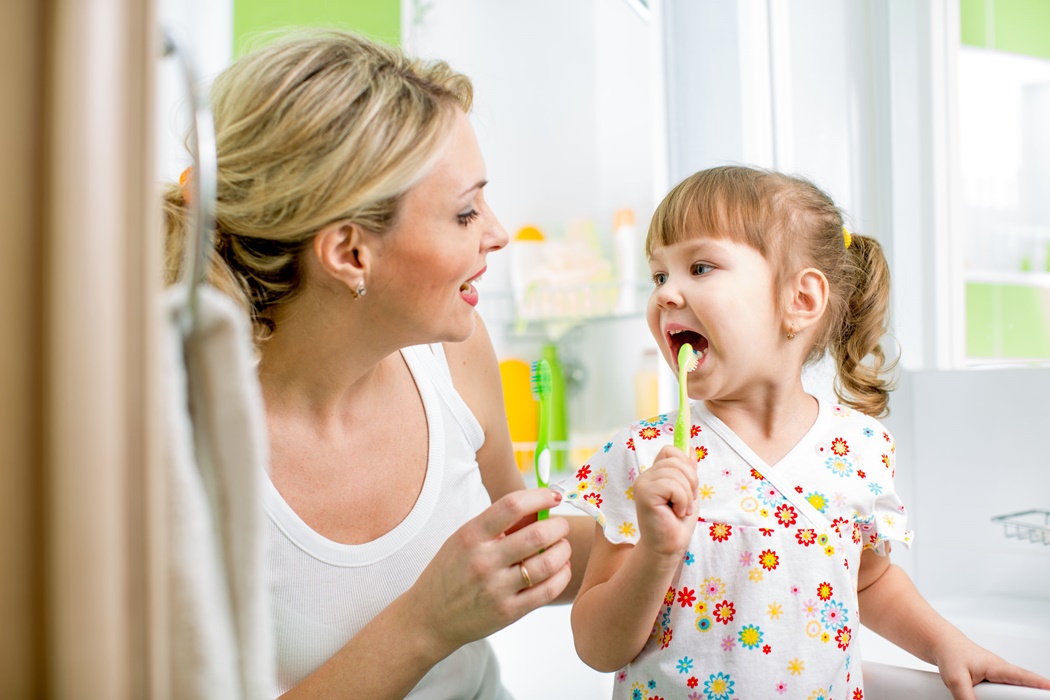
Your child will be showing awareness of personal hygiene – for example, he’ll be able to clean up or groom himself when appropriate. He has toileting under control, but might need an occasional reminder if he’s preoccupied. He might still wet the bed at night.
Although she can dress by herself, she might not put clothes on in the right order or facing the right way. Undressing is still easier than dressing. He’ll go to bed easily, but is prone to having nightmares. Your child is now able to feed herself but tends to dawdle.
Children grow and develop at different rates – this information is offered as a guide only. Don’t expect your child’s physical development to fit in with all the areas listed. If you’re worried about your child’s physical development, it’s best to speak with your child’s doctor.