





Dr Yamuna Ramadas, Paediatrics, Pantai Hospital Ampang (PHA)
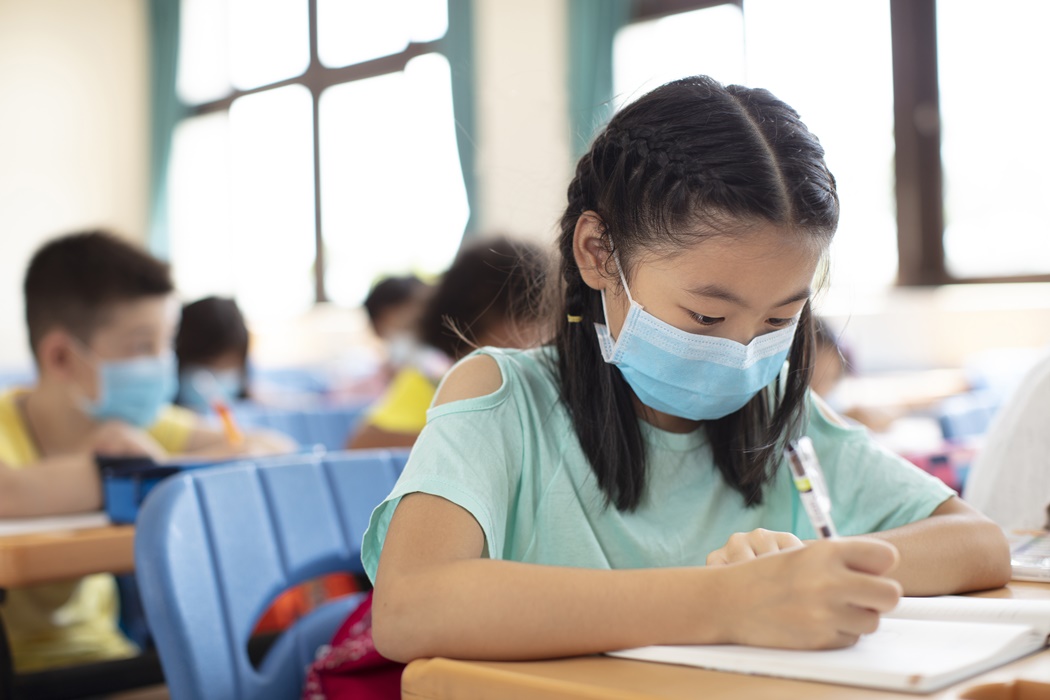
As schools reopen, many parents are sighing a sigh of relief. For many, this whole period of online school or hybrid schooling had its own challenges and repercussions on our children.
Closure of schools puts at risk not only to education of millions of children and adolescents, but also access to other important basic services provided by schools, such as school feeding, health, water, sanitation and hygiene, recreational programs, extracurricular activities and psychosocial support. Prolong closing of schools may have increased the economic burden on families too.
Even with the sigh of relief that schools are reopening, parents will still have some fears. Will my child be infected or will my child bring the virus home to more vulnerable family members?
What can we as parents do to protect our children from COVID-19?
Firstly, knowing what are the standard procedures taken by your child’s school for the reopening. As parents, here are a few questions that we can ask ourselves. Are we comfortable with the schools plans and its implementation for its reopening? Are we comfortable with the way the school communicates with parents regarding any changes in these plans? Are we satisfied with the schools handling of your concerns and questions? Does the school have a clear plan, if any of its staff or students have symptoms or are tested positive for COVID-19? What is the schools plan for reducing the spread of the virus (some of it may be checking of temperature, symptoms checklist and hand sanitisation prior to entry into school, regular sanitisation of frequently used areas) Does the school have adequate resources to handle all of this? There are guidelines set by the ministry of education for the new norm during reopening of schools.
(This guidelines can be viewed at moe.gov.my/muat-turun/pekeliling-dan-garis-panduan/4109-garis-panduan-pengurusan-dan-pengoperasian-sekolah-dalam-norma-baharu-2-0/file).
Parents should have an open communication with the school regarding all their concerns. Make sure that your emergency contact information is current at school.
Wear a Face Mask Properly
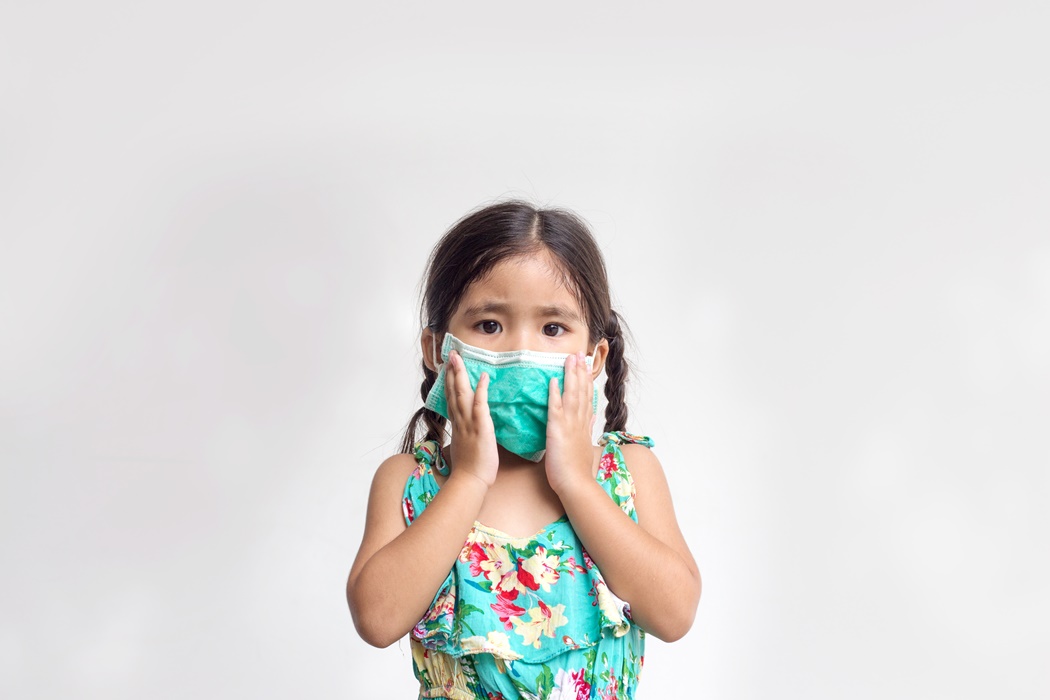
Training your child to wear a face mask correctly is important too. Masks can be worn by children more than 2 years old. It is important to teach your child how to remove and store the mask (in a clean resealable bag) correctly during lunch breaks. Also provide extra clean masks in case the mask worn gets soiled.
Explain to your child not to share masks, how to properly remove their mask and to clean their hands before and after touching their mask. Age-appropriate facts and videos on reducing transmission of COVID-19 may help keep your child informed. Discuss with your child’s healthcare provider if your child is unable to wear a face mask or wear one for an extended period of time due to a medical condition. Parents may then together with the school come up with a best strategy for the child.
Social Distancing

Social distancing, practising being 6 feet apart from on another may be easy some of us but may be challenging for younger children. Some strategies to help improve the implementation of social distancing are to create one way traffic in walkways, using outdoor spaces when possible for recess, and spacing out desks.
Mode of Transport
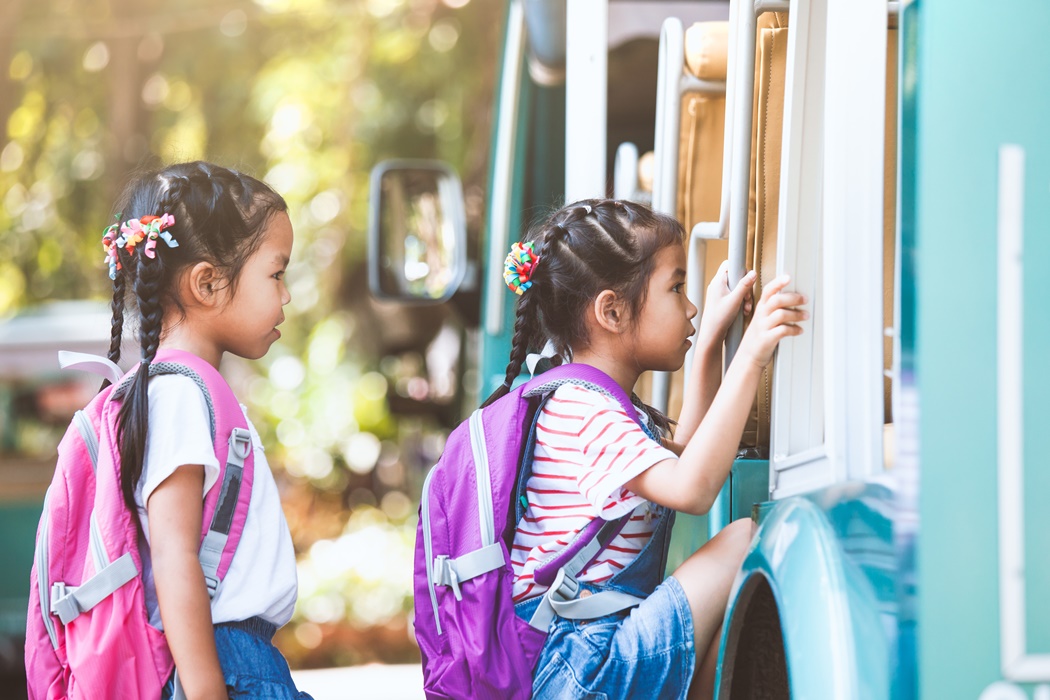
Another thing to consider is mode of transport for your child to and from school. Parents may want to consider a transport with reduce transit time, lower student capacity and enquire regarding disinfecting practises.
Monitor Child’s Health Condition
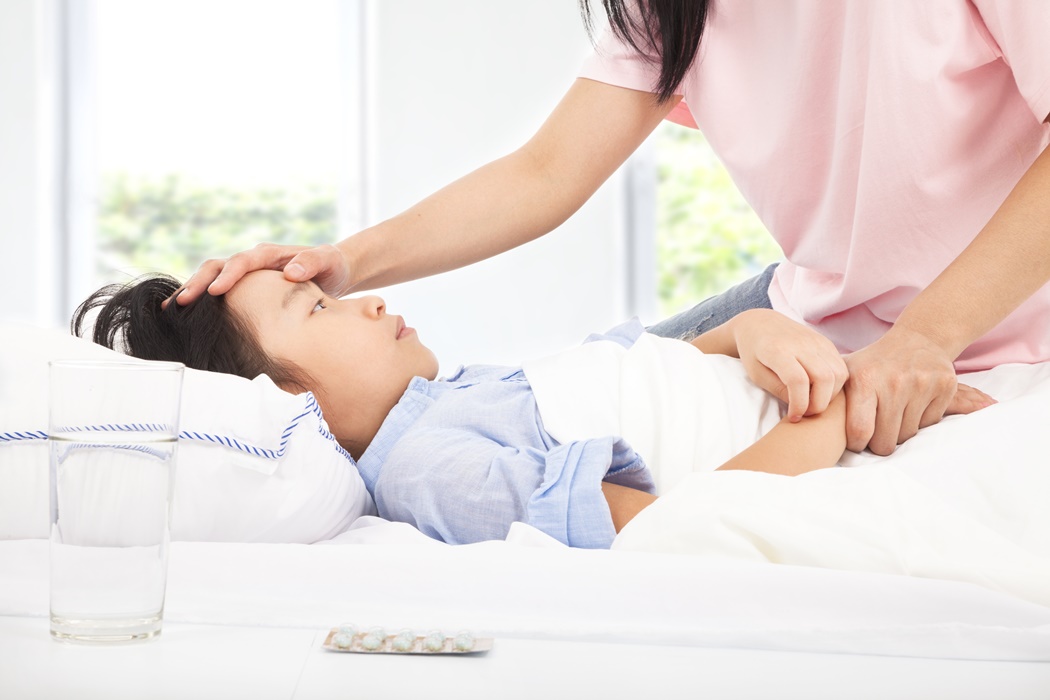
Importantly if your child has fever, respiratory symptoms, diarrhoea, vomiting or any other symptoms that may be suggestive of COVID-19, please keep your child home and get further advice from your doctor.
Vaccination
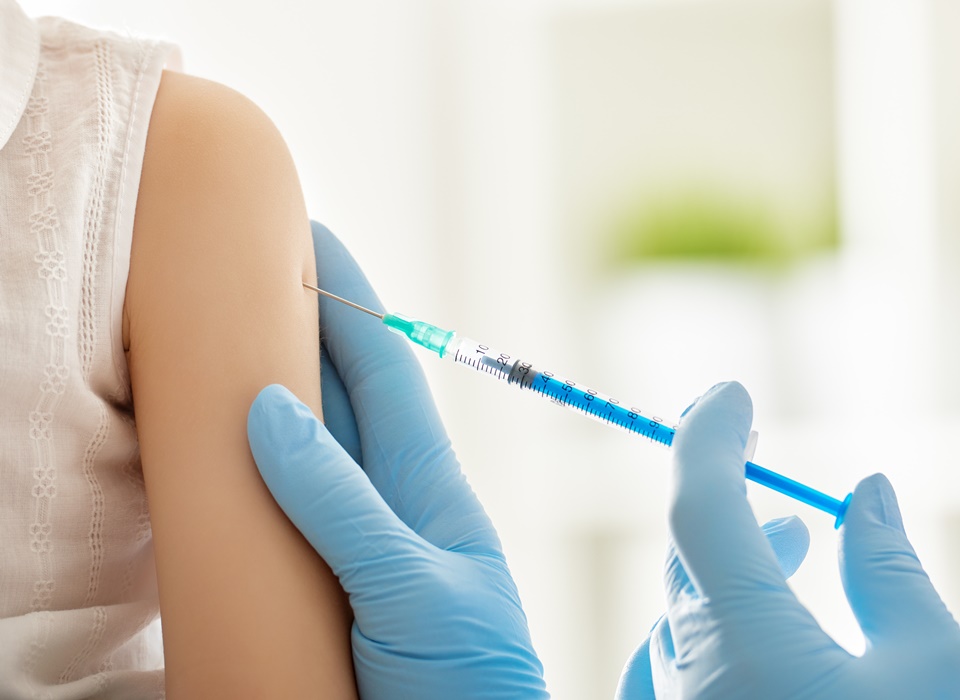
During the pandemic do not delay any vaccinations. All school going children should get yearly influenza vaccine. It does not protect against COVID-19 but protects against influenza and its complication. It is another added protection to help prevent missed school days.
Planning
Lastly, have a plan as a family on steps to prepare for changing scenarios. Plan ahead for possible periods of quarantine.
For many reasons going back to school is important for our children. Following these steps may help you feel assured that your child is as safe as possible during the COVID-19 pandemic.
“Education is a once in a lifetime opportunity to open children’s hearts and minds to the unbelievable wonder of the universe.”– Sir Anthony Seldon