




Pre-eclampsia is a serious illness that mothers may get during pregnancy and it can lead to life-threatening complications such as seizures. Seizures related to pre-eclampsia is known as Eclampsia. Hypertensive disorders in pregnancy, which is a general medical term that includes both pre-eclampsia and eclampsia, is one of the leading causes of maternal mortality in Malaysia. According to the Confidential enquiry into maternal deaths report in Malaysia for the year 1997 to 2000, about 14.1 percent of all deaths occurring in expectant mothers resulted from Hypertensive disorders in pregnancy.
Expectant mothers with pre-eclampsia have elevation of blood pressure, retention of fluids in her body (particularly in her face and hands) and protein deposits in her urine. This condition is slightly different from another group of mothers having only elevated blood pressure without the other features of pre-eclampsia. They are categorised as having “pregnancy induced hypertension”. This condition is not as serious as pre-eclampsia but these mothers could later progress into pre-eclampsia.
The causes of pre-eclampsia remain unknown but there are several factors that are seen more common in expectant mothers with pre-eclampsia. Among the factors identified are:
- Pregnancy for the first time
- Pregnancy at the age of over 40 years or less than 20 years
- Having a history of pre-eclampsia in the previous pregnancy
- Having multiple fetuses e.g. twins pregnancy
- Having diabetes mellitus
- Obesity
- Having high blood pressure or kidney disease before getting pregnant
- Having a mother or sisters with history of Pregnancy induced hypertension
What is believed to happen in the uterus of the expectant mothers with pre-eclampsia is that the placental blood vessels do not grow properly. As such, the placenta does not provide adequate blood supply to the baby and it can fail to grow normally. Not only that, the unhealthy placenta sends harmful chemicals into the blood circulation. These chemicals damage the blood vessels and that is why mothers with pre-eclampsia develop high blood pressure, lung failures, kidney failures and other complications.

For expectant mothers with pre-eclampsia, they may not necessarily notice any obvious symptoms. This is especially for those with mild pre-eclampsia. However, for those with severe pre-eclampsia, they would usually experience symptoms such as vomiting, headache, visual changes (e.g. blurred vision), sudden weight gain, swelling of face and hands or pain in the abdomen.
There are various effects of pre-eclampsia on the expectant mother and her baby. They may even not notice any problems if they are having only mild pre-eclampsia but in severe cases, their lives as well as their foetuses can be in danger. Among the serious complications that can happen includes Eclampsia (seizures); heart, kidney and lung failures; brain haemorrhage; bleeding problems and placental abruption (the placenta detaches from the uterine wall resulting in internal bleeding). For the unborn babies, their growth can be affected and they are born smaller than normal babies. On top of that, if early delivery is necessary as a treatment for severe pre-eclampsia, they will be born prematurely and have serious complications resulting from prematurity itself.
For the unborn babies, their growth can be affected and they are born smaller than normal babies.
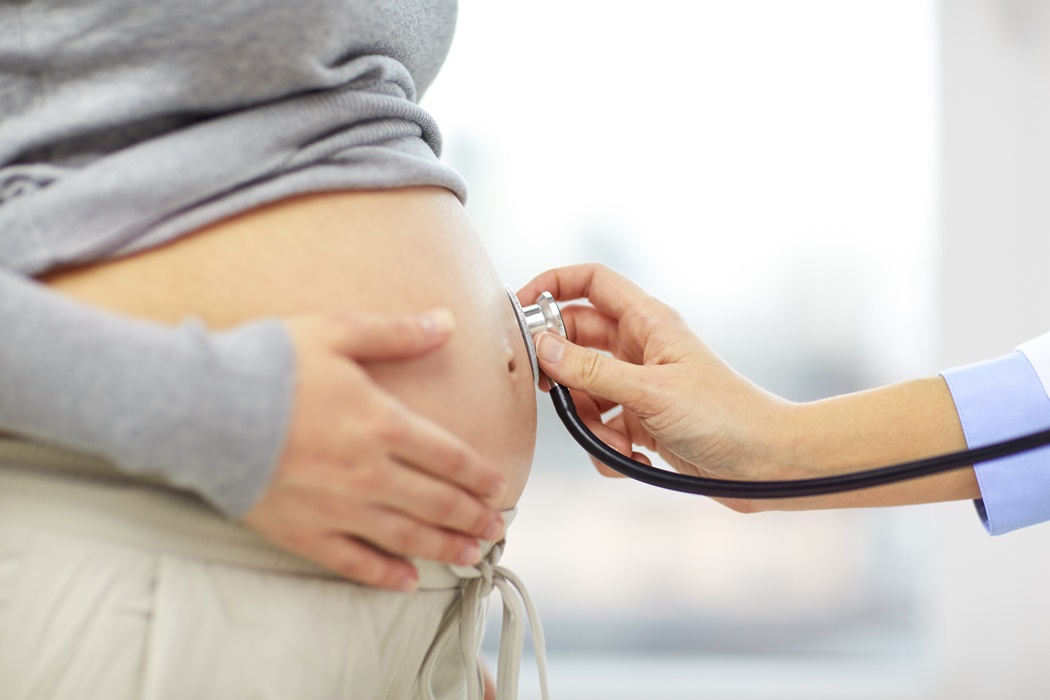
The expectant mothers are usually diagnosed as having pre-eclampsia when they are examined during their antenatal visits. Blood pressure measurements and urine test for protein are part of the routine antenatal check ups. The mothers themselves should always inform their doctors if they experience any of the symptoms mentioned above. For the doctors managing antenatal women, it is very important to detect pre-eclampsia early in order to prevent or manage serious life threatening complications.
It is interesting to note that pre-eclampsia is an illness that only happens in pregnancy and it will not improve until after delivery of the baby and placenta. How to manage the expectant women with pre-eclampsia depends on the severity and how advanced she is in her pregnancy. For those who develop mild pre-eclampsia close to their due date, they can try to have a vaginal birth and deliver healthy babies. However, if their babies are too small to survive if delivered early; the expectant mother will be given treatments to stabilise her condition while waiting for the babies to grow bigger.
For women with severe pre-eclampsia and they are still long before their due date, early delivery may have to be seriously considered. Caesarean section will be recommended if normal vaginal birth poses problems either to the expectant mothers or to their babies. Although pre-eclampsia improves after delivery of the baby and placenta, in a small percentage of women pre-eclampsia can occur in the week after delivery. Generally with good specialist care, most expectant mother with pre eclampsia have good outcome with healthy babies and their condition will improve soon after delivery.
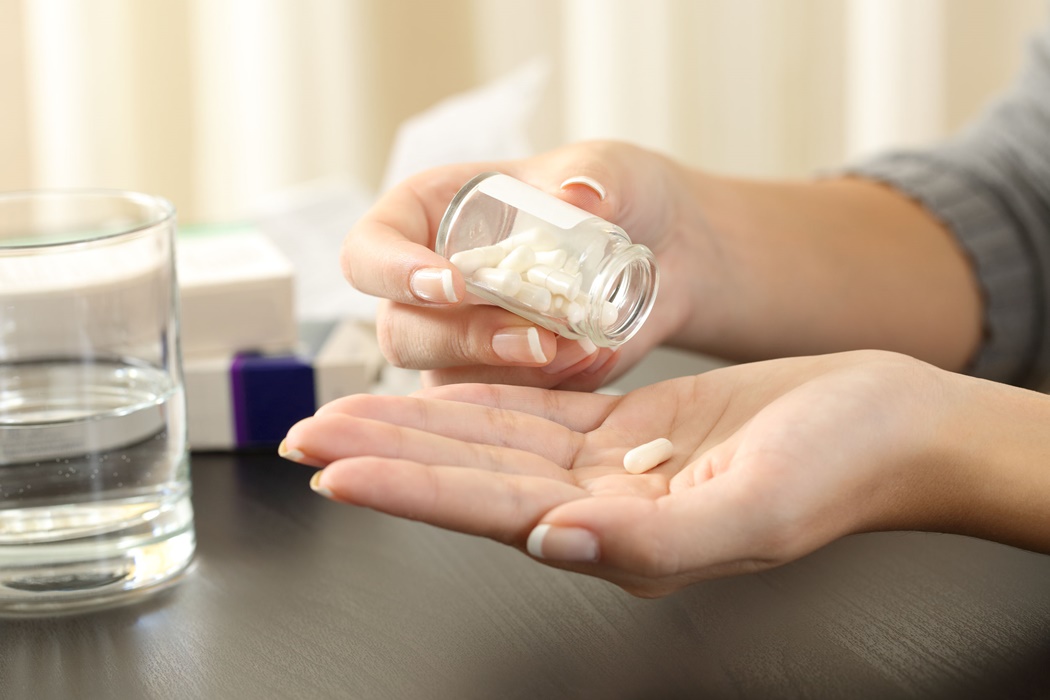
Of course for women who are at risk of pre-eclampsia, they will be wondering if there are anything that they can do to prevent themselves from getting it. There are research done regarding dietary supplementations such as fish oil, calcium supplements, low dose aspirin and anti hypertensive medications, but unfortunately up to now the efficacy of these treatments is still controversial.
What is important especially in the women who are at risk of having pre-eclampsia in pregnancy is to go for an early antenatal care, ensure that pre existing diabetes mellitus and hypertension is well treated and managed, as well as
marinating a good and balanced nutrition.
Even if the expectant mother had pre-eclampsia, they will not necessarily get it in the next time they get pregnant. Although currently there is no way for the expectant mothers to prevent the development of pre-eclampsia, if they are diagnosed with this condition they can look forward to the birth of their children with minimal worry about health dangers. Most experts do not think that pre-eclampsia will cause high blood pressure in life but expectant mothers who had pre-eclampsia may have a higher than normal chance of getting high blood pressure after pregnancy or later in life.