





Your newborn is on a journey of discovery.
He depends on you to keep him safe. But, how?
The following tips should help you keep your baby out of harm from birth through their toddler years.
Around the home
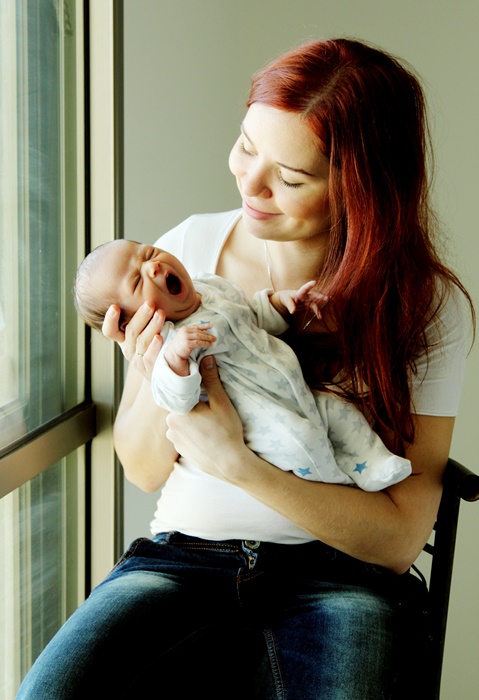
- Prevent falls: One of the most common accidents for new babies is falling off change tables or other high places when nappies are being changed. You can avoid an accident by keeping one hand on your baby at all times or by changing her on a clean towel or rug on the floor.
- Prevent choking: Nothing should enter your newborn’s mouth besides your breast and his own fingers (and a bottle or dummy or safe, chewable toy if necessary). Do a regular scan of the area within baby’s reach and remove small objects.
- No shaking: Never shake a baby. Even playfully throwing a newborn or young baby in the air can injure her fragile spinal column and brain. There are telltale signs of shaken baby syndrome, no matter how it occurs.
- Pets: Animals can be unpredictable (even a snoozy old cat can surprise with new behaviour). Introduce pets gradually and always under supervision, especially the family dog.
Sleep safety

Nobody knows for sure what causes sudden infant death syndrome (SIDS), which is also called cot death. Research shows that the safest way to avoid it is to put your baby on her back to sleep, not on her tummy or side. (It’s a good idea to position your newborn’s head at a slight angle, alternating sides for each sleep, to avoid a flat spot developing.) Smoking seems to increase the risk of SIDS.
Pillows, blankets and soft toys in the cot also pose a risk during baby’s first year, so keep them away when she sleeps.
Bathing
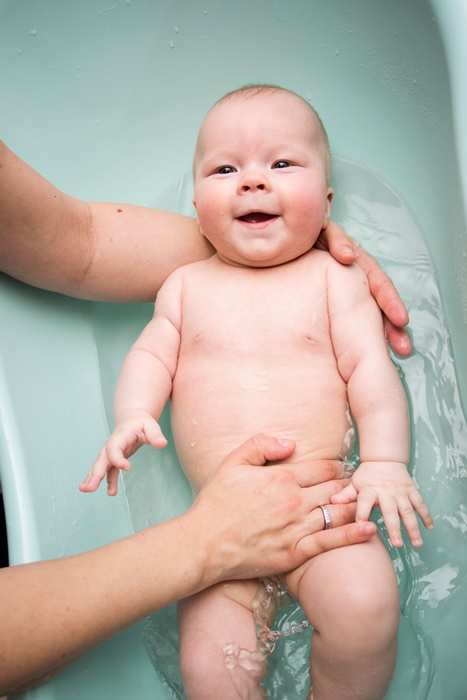
Three things to remember here:
- use warm water (36° C),
- never leave your baby unattended and
- keep him supported in your hands at all times.
Babies are just too slouchy to keep their noses above water, and drowning is very quick and completely silent at this age. Also, it is not safe to ask young children to supervise your baby in the bath.
Food and drink

- A hot cup of tea can burn your baby like fire does, so have your cuppa when baby is sleeping. Avoid cooking while holding him.
- Honey can contain harmful bacteria that cause botulism. It’s not suitable to put on a baby’s dummy.
- The safest way to warm a baby’s bottle is in a saucepan of warm to hot water. Microwaves heat unevenly and can cause scalding.
In the car
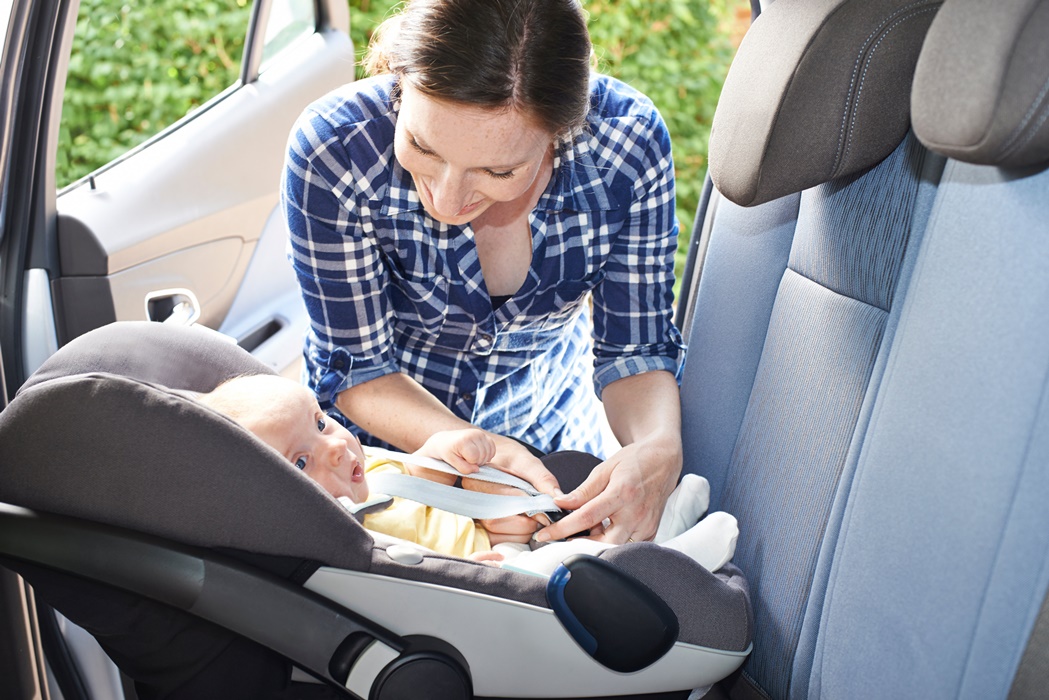
Cars are dangerous, even if you are a good driver. Here’re what you should do:
- It is strongly advised that you transport your newborn in a properly fitted baby capsule, snugly buckled in.
- Don’t travel with your newborn seated on your lap.
- Never wrap your seatbelt around your newborn. In an accident, she would most likely be crushed by your weight.
- The inside of a car can quickly heat up to deadly levels, so don’t leave your baby unattended in a car.
Out shopping

Prams are made to move easily. Always lock the wheels when you are not holding onto your pram. Also, even with a baby inside, a pram can tip over from weigh stacked on the back or shopping bags hanging from the handles.
In case of emergency
They don’t happen every day, but accidents do happen. Be prepared by keeping a list of emergency phone numbers in your mobile or by phone. It’s wise to take a first aid course, particularly if you live in an isolated area or are often with a baby on your own. The following is a guide to helping a choking baby.
Clearing a blockage:
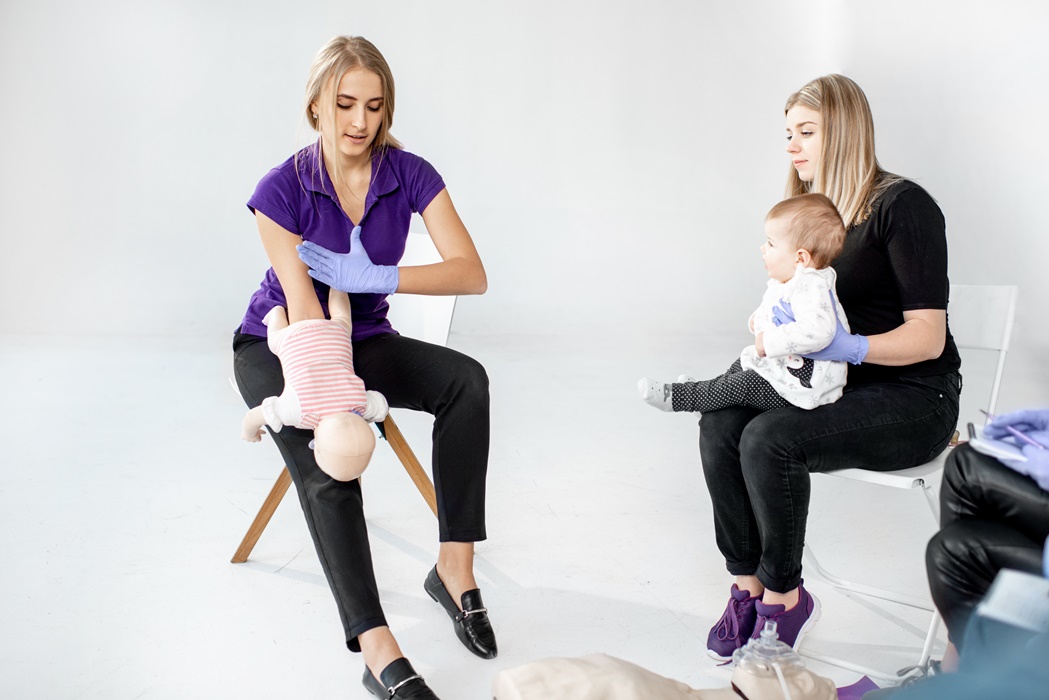
- Lay baby downwards on your forearm. Using the heel of your hand, give her a firm back blow between the shoulder blades. Give up to five back blows, and check between each blow to see if the blockage has cleared. Clear the blockage from baby’s mouth with your little finger.
- If the blockage hasn’t cleared, lay baby on her back, place two fingers in the centre of her chest and give her up to five chest thrusts. Check to see if the blockage has cleared between each chest thrust.
- If the baby is still choking, check to see that 999 has been called and alternate five back blows and five chest thrusts until emergency help arrives. If at any point baby becomes unconscious, start CPR.
Warning!
Babies and young children can choke on anything smaller than a D-size battery. To prevent choking, keep small objects out of reach, cut up food into very small pieces, and supervise children while they’re eating, especially if they’re under five years old.