




Christmas is widely celebrated in most parts of the world. Each and every country has its own unique traditions or practices to celebrate during the best time of the year. Some countries begin the celebrations months before Christmas Day, while others celebrate the day before, or on 25th December, or the day after.
Here we’ve curated 5 Christmas traditions from various sources, be it from a cozy winter wonderland or a tropical country, you’ll discover just how different and unique these global holiday traditions are.
1. Sweden
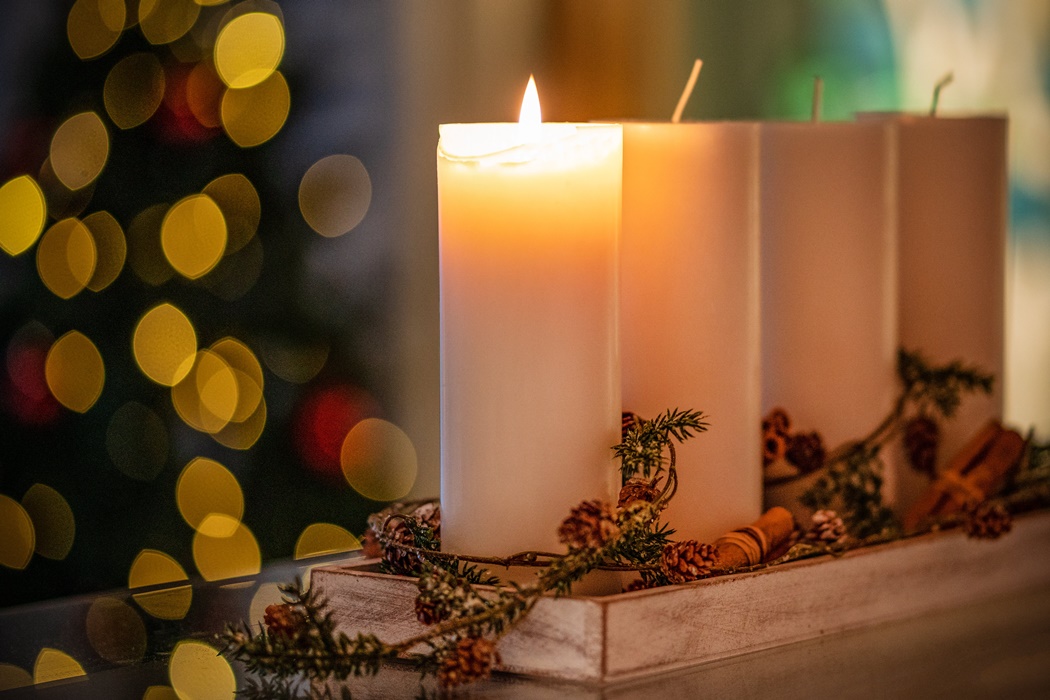
For Sweden, the first Sunday of Advent comes a month before Christmas. That’s when people light the first candle in the Advent candlestick, a custom going back to the 1890s. This is always a special eagerly awaited event as each Sunday until Christmas, a candle is lit. The practice follows until all four candles are lit for all four Sundays. And on each of these Sundays, many Swedes enjoy glögg – a hot, spicy mulled wine with blanched almonds and raisins – and pepparkakor (gingerbread biscuits).
A few days before Christmas Eve, Swedes search for the perfect Christmas tree. This is a must-do matter since the tree is the very symbol of Christmas. The tree must be densely, evenly branched, and straight. Later, it will be decorated according to family tradition. Some are bedecked with flags, others with tinsel and many with coloured baubles.
Homes in Sweden are also decorated with wall hangings depicting brownies and winter scenes, with tablecloths in Christmas patterns, candlesticks, little Father Christmas figures and angels. Their home is usually filled with the powerful scent of hyacinths.
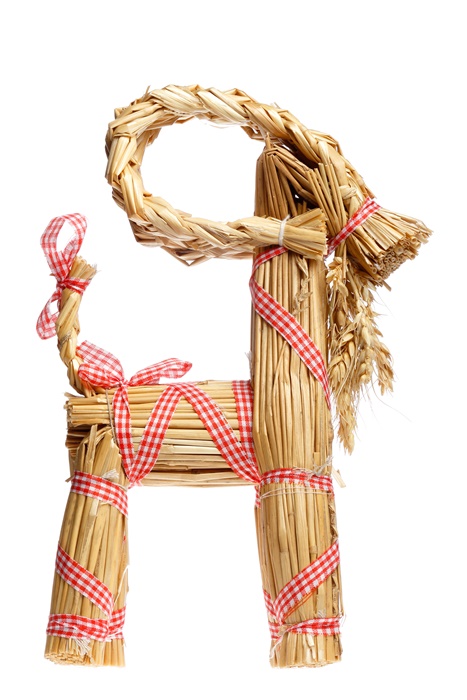
Another interesting tradition is ‘The Yule Goat’. It has also been a Swedish Christmas symbol dating back to ancient pagan festivals. However, in 1966, the tradition got a whole new boost when someone came up with the idea to make a giant straw goat, which is also now referred to as the Gävle Goat. On the first Sunday of Advent 1966, the huge goat was placed at the Castle Square. Since then, the Gävle Goat has been a Christmas symbol placed in the same spot every year. It has also attracted many people to the southern part of the city.
2. Philippines
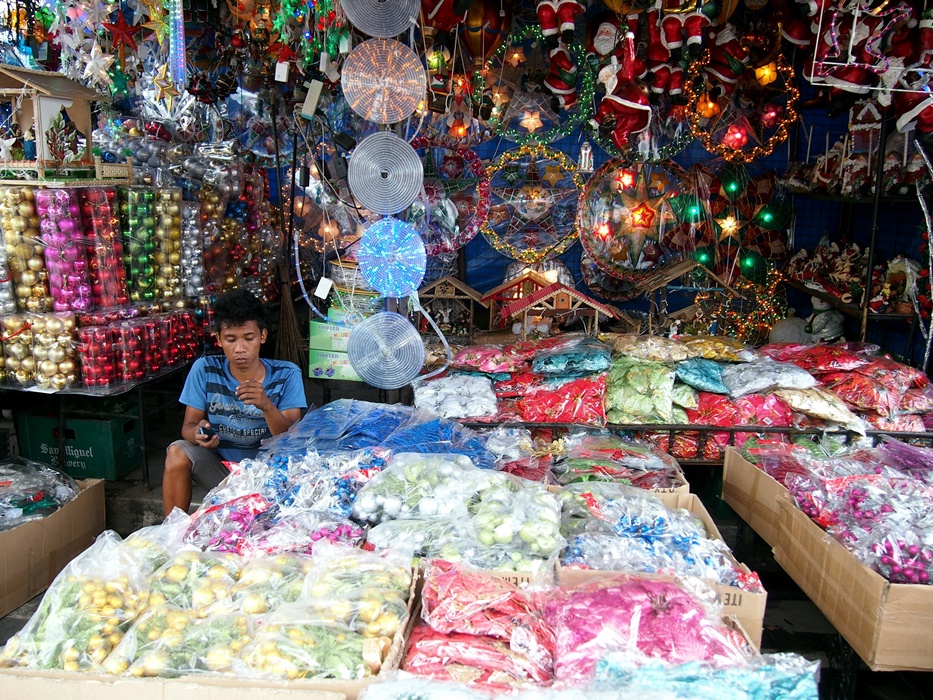
Here, the Christmas season begins on September 1st, which marks the start of the so-called ‘BER months’. The day marks a point where television and radio stations begin playing Christmas carols and hold countdowns. Shopping centres and department stores also begin playing carols and stock their shelves with decorations during this time.
It is during September that most Filipinos erect their trees and decorate their houses with lights and a uniquely Filipino Christmas ornament called a ‘parol’.
A Christmas lantern or ‘parol’ is the most iconic Christmas decoration in the Philippines. It is usually made from bamboo, paper, or capiz shells and comes in various colours, designs and sizes. For Filipinos, the ‘parol’ is the symbol of the star that led the Three Kings to the town of Bethlehem on the night Jesus Christ was born and is vital in most households.
Noche Buena, or the traditional family dinner on Christmas Eve, is one of the most important family gatherings during the season in the Philippines. During this gathering, families serve up traditional dishes containing ham and cheese, at times there is even lechon (roasted pig).
Other Filipino favourites served are pancit (noodles), sweet spaghetti, lumpia (spring rolls), embutido (dry sausage) and kare-kare (savoury stew).
3. Iceland
Long before Icelanders even started to call Christmas (Jól in Icelandic) and adopted Christianity, only one important day was celebrated and that was the winter solstice, after which daylight would become longer.
During wintertime, days are dark, cold and harsh with only down to 3-4 hours of daylight. Furthermore, most countries have one Santa Claus, but Icelanders have about 12 extra, known as 13 trolls – Yule lads or Jólasveinar.
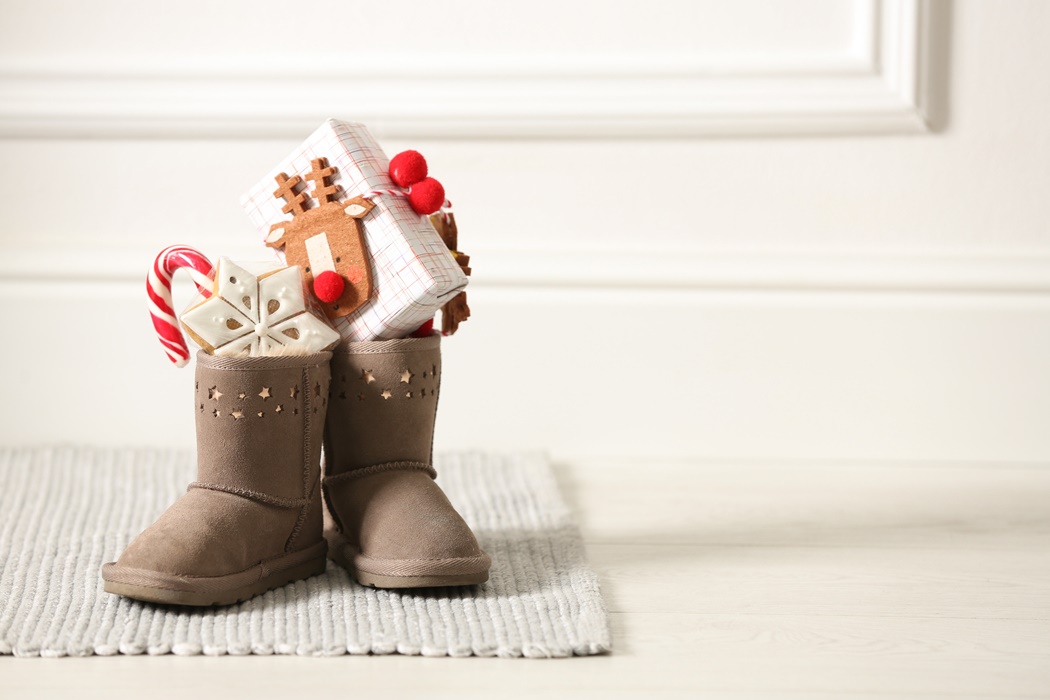
Before Christmas, they are said to come down from the mountains, and kids put their best shoe into the window every evening starting on December 12th. For each night a Jólasveinn comes to town one by one until December 24th bringing small surprises. If the children were good, they would get some treats, small gifts or fruits in their shoe, if not, the Yule lads would ‘punish’ them by putting raw potatoes instead.
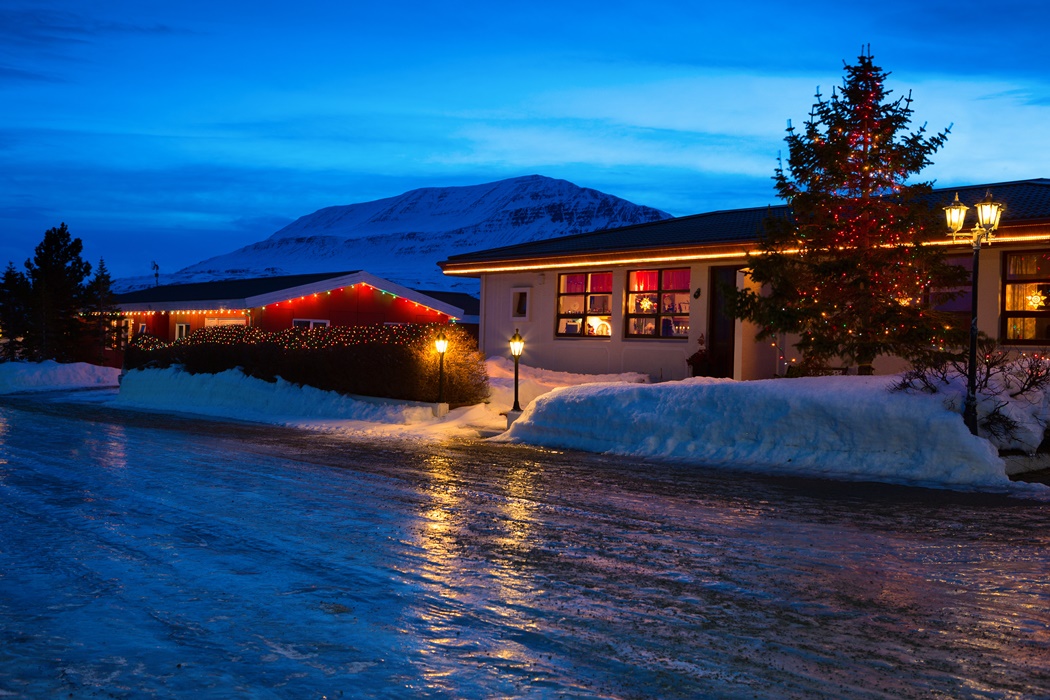
When it comes to traditions, Advent is the time when it all begins. As in every country celebrating Christmas, Advent starts on the fourth Sunday before Christmas. From the beginning of December, Icelanders set up Christmas lights into their windows and decorate them with lights strings outside their houses with Christmas lights. Christmas trees are set up in towns and decorated. One of the main reasons is, of course, Christmas, but since Icelanders don’t get so much daylight during this time of year, lights are making everything look just much brighter.
Dinner dish is mostly “hangikjöt” (smoked lamb), boiled potatoes and the sauce called Uppstúf, based on boiled potatoes, butter, flour, sugar and milk.
4. The Netherlands
In the Netherlands, people celebrate Christmas both on the 25th and the 26th of December. During Dutch Christmas people spend two days with their family, playing games, watching movies and eating some traditional Christmas food.
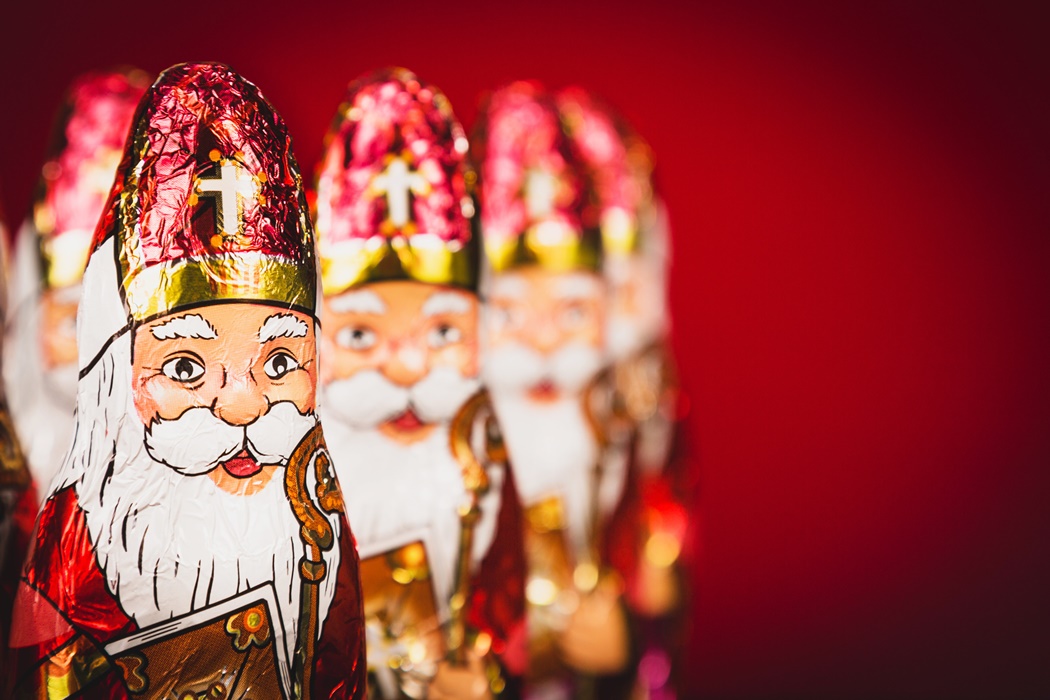
Sinterklaas is the Dutch name for Saint Nicholas, the man recognised by children by his long white beard, red cape, and red miter. Kids put a shoe by the chimney or back door and wake up on Christmas morning to find treats like gingerbread men, marzipan, and chocolate letters inside.
Of all the Dutch Christmas traditions, music is as much a part of Dutch Christmas as good food and a twinkling Christmas tree. You’ll hear Dutch Christmas songs played on radio stations and in shopping centres weeks leading up to Christmas day.
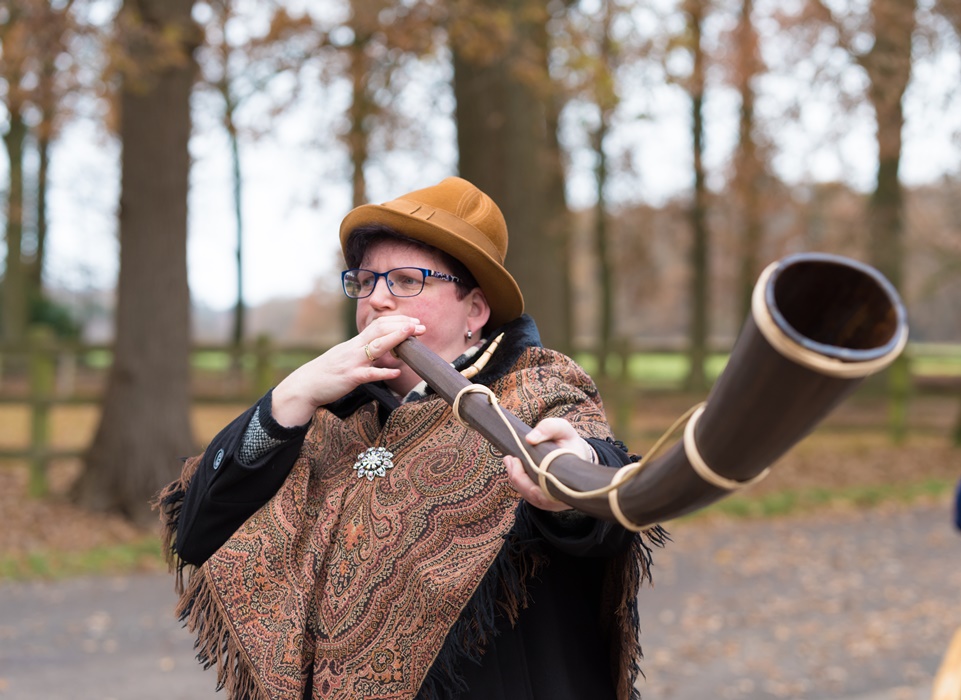
A long-time tradition among farmers in the rural east is the ‘mid-winter horn blowing’. This custom begins on Advent Sunday (the fourth Sunday before Christmas) and continues until Christmas Eve. Farmers use long horns made from the wood of elder trees, and everyday at dawn they blow the horn while standing over a well to announce the coming of Christ.
5. Poland
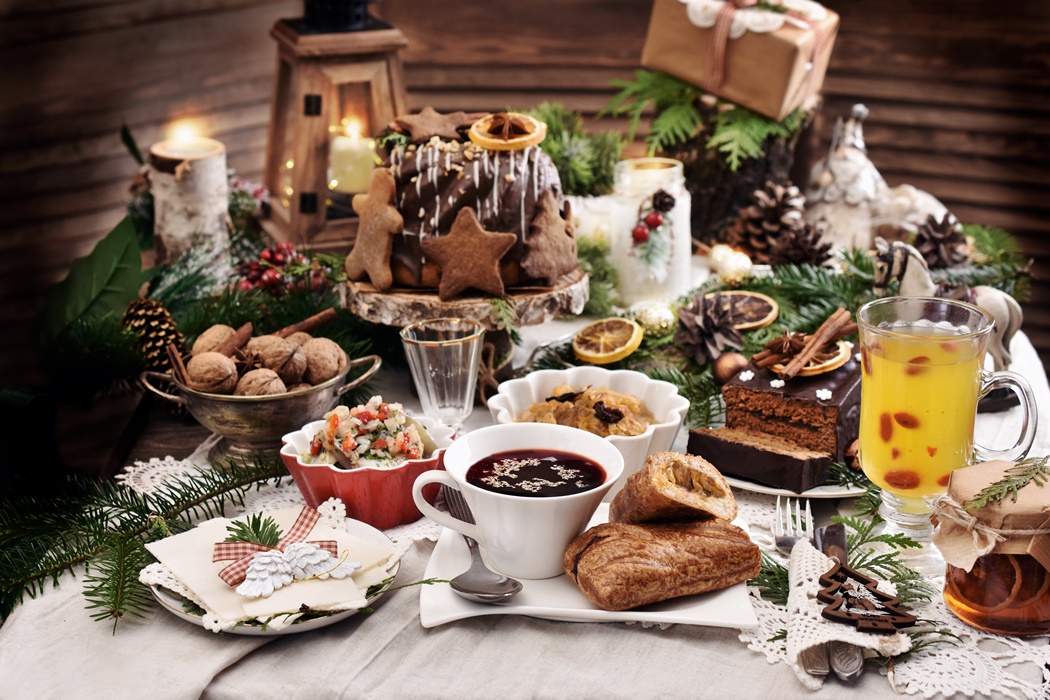
Christmas Eve Supper, known as wigilia, is one of the most longstanding and widely cherished of Polish rituals. In the vast majority of homes, both among believers or non-believers, a formal meal is celebrated and served on the table which is covered with a white tablecloth. Many families share oplatek (an unleavened religious wafer), each person breaking off a piece as they wish each other Merry Christmas.

Dinner will only be served when the first star appears in the night sky and, traditionally, an extra seating is left at the table should someone show up uninvited.
The most eagerly anticipated part of Christmas Eve, both for children and adults, is quite naturally the exchange of presents. There are many customs and institutions related to the entire Christmas period. They include caroling or carol singing, as well as the singing of melodious seasonal songs called pastorałki.
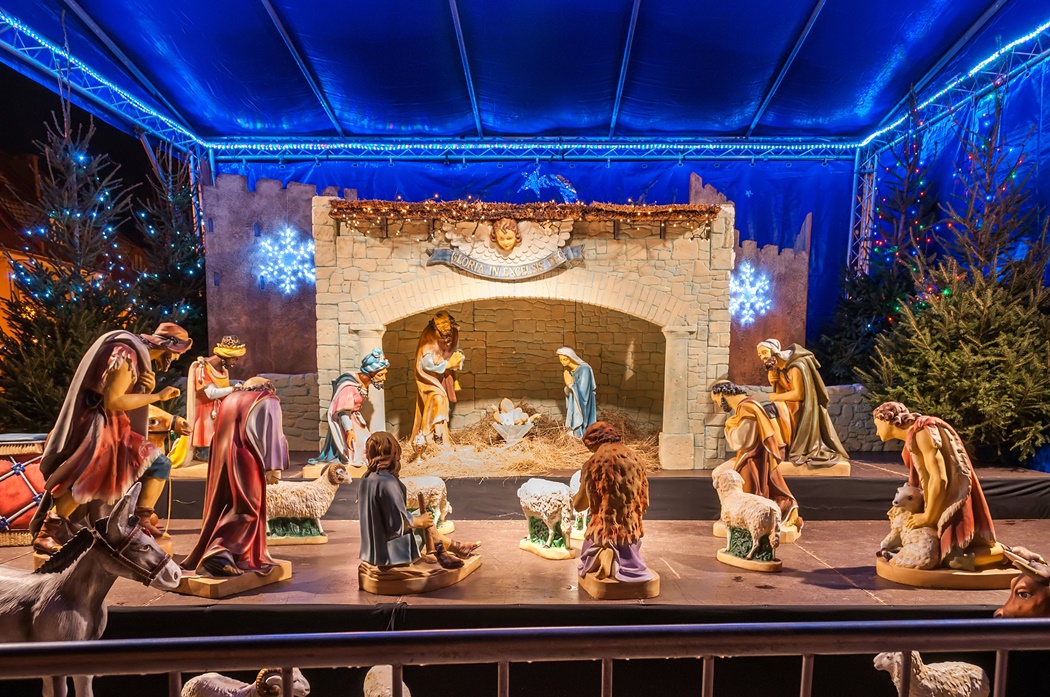
Traditional Nativity plays are held and the art of building Christmas cribs continues to this day, especially in the South of Poland – the Krakow cribs are particularly famous.