



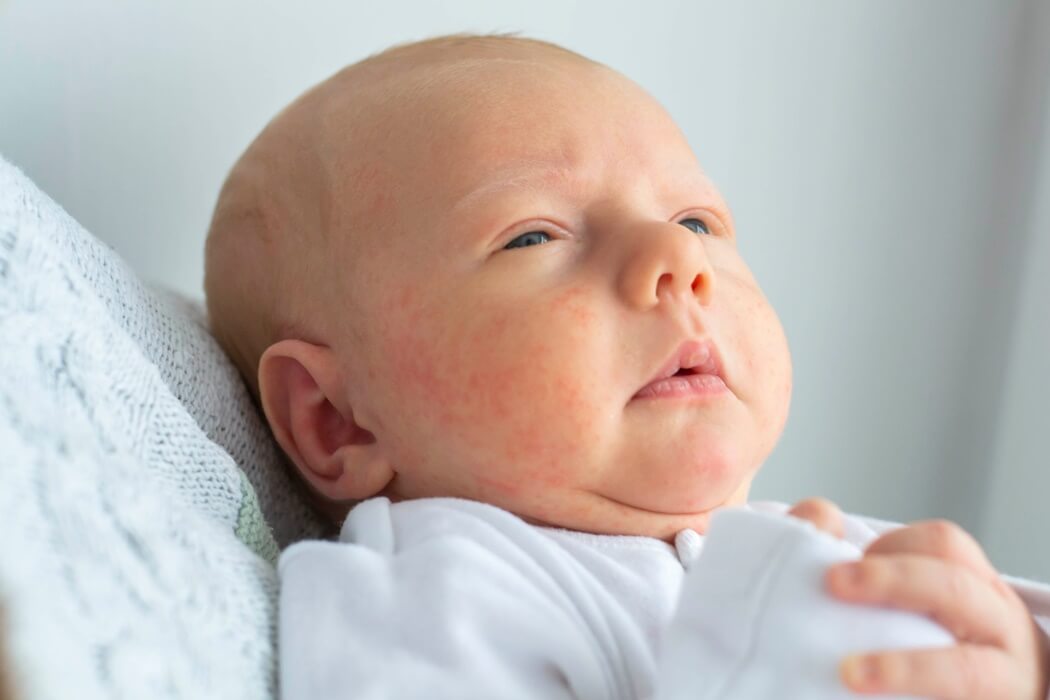


When a baby develops eczema, her face is covered by red spots, the creases in her elbows and knees are inflamed and weeping, and the incessant itch makes her an unsettled baby.
Read on to learn more about what you can do to stop eczema.
Eczema – why it occurs…

Genetics play a major role in whether or not your child will end up with eczema. In fact, scientists suspect there may be a genetic defect in an enzyme reaction involved in converting omega-6, which is found in many nuts, seeds, vegetable oils, margarine, infant formula and breast-milk, into anti-inflammatory substances. When this reaction fails to occur, omega-6 is alternatively converted into an acid, called arachidonic acid, which is the building material for leukotrienes, which cause eczema.
This enzyme blockage is not only a genetic problem, deficiencies in vitamins B0, biotin, and the minerals zinc and magnesium can also cause eczema.
Other factors contributing to the occurrence of eczema include having an imbalance in the good and bad bacteria or “flora” in the gastrointestinal tract. If friendly bacteria are not present in adequate amounts, a proliferation of undesirable microbes is being produced. This can hamper your child’s digestion and absorption of foods and liquids.
It also subsequently prevents essential fatty acids, such as omega-3, form being absorbed adequately. Apart from that, without the presence of friendly bacteria, B-group vitamins cannot be manufactured by your child’s body. Since omega-3 and B-group vitamins (biotin, vitamin B3 and B6) are essential for rash free and smooth skin, these imbalances can increase your child’s risk of eczema.
Salicylates, a natural chemical found in many vegetables, fruits and food products such as sauces and spreads, can cause flare-ups, while household chemicals and cleaning products such as soap and conventional washing powders can aggravate delicate skin.
ANTI-ECZEMA STEPS
Food and lifestyle changes can make a remarkable difference – even if your child’s eczema is caused by genetics. Experts have suggested six steps that work synergistically to heal eczema from the inside out.
Read on to learn more about how you can keep your child eczema-free.
Step 1: Avoid triggers and irritants

Do your best at limiting your child’s exposure to chemicals. The easiest way to do this is to ventilate your house daily by opening the windows, since household chemicals from carpets and other furnishings can build up throughout the day. You can try using natural products (baking soda or vinegar and water) to clean your house, and wash your child’s clothes with washing powder specially made for sensitive-skin users.
Try to avoid using all commercial baby bath and shampoo products containing artificial colours and foaming agents (such as sodium lauryl sulphate and sodium laureth sulphate). There’re always natural alternatives at health food shops.
Step 2: Identify what your child is allergic to
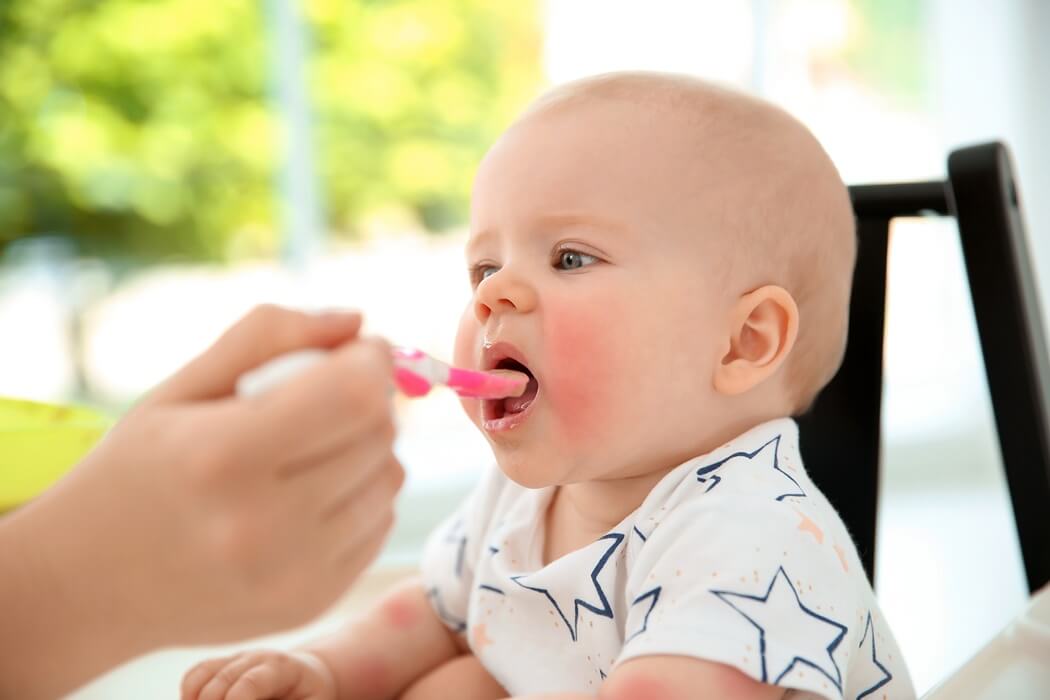
When your child began to consume solids, try introducing one new food every three days to help identify allergies and food sensitivities. If your baby starts developing red spots around the mouth or increased itchiness, talk to your doctor about allergy testing. If swelling or wheezing occurs, immediately take your child to hospital as this could mean an anaphylactic reaction.
Step 3: Treatments
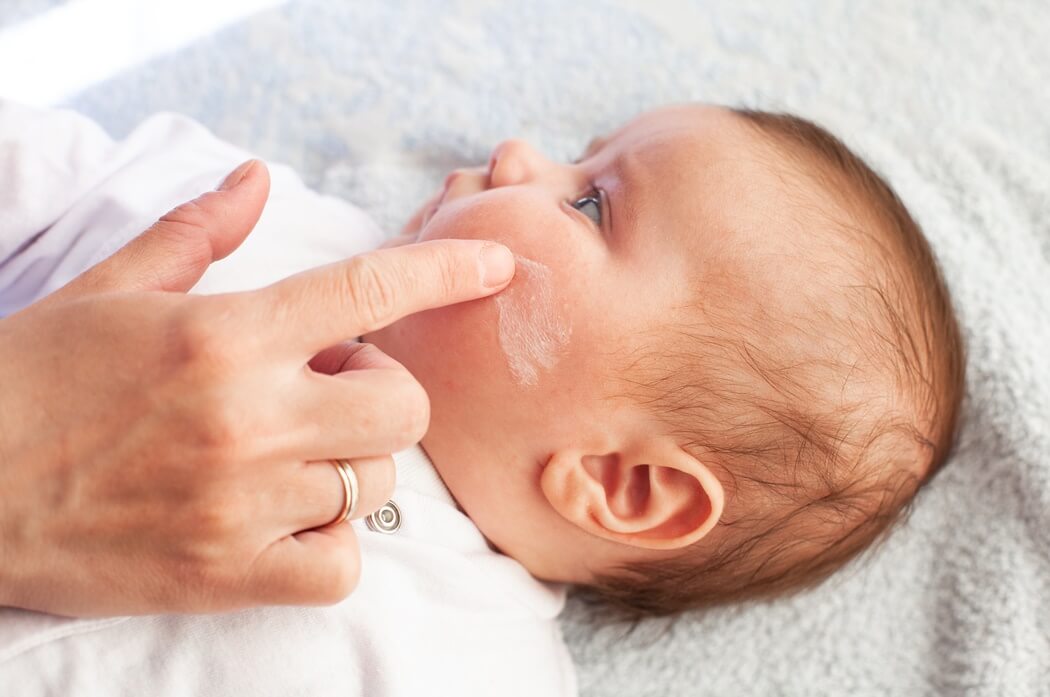
Moisturise your child’s skin as often as needed, about two to four times a day. Search for moisturisers that contain evening primrose oil, blackcurrant seed oil or borage oil. Why? These oils contain gammalinolenic acid (GLA) which is beneficial for your child’s skin. Give your child the so-called “healing” bath three times a week (see box). After that, pat their skin semi-dry with a soft towel and apply moisturiser or a thick barrier cream.
Step 4: The right supplements
According to a study, certain strains of probiotics, if taken for the first six months of life, can successfully reduce the occurrence of eczema and allergic conditions in infants.
Some of the specific probiotic strains that have solid evidence of usefulness in infantile eczema are: Lrhamnosus GG (also known as Lactobacillus GG but it must be the GG variety), L. fermentum PCC, B. lactis Bb12 (not known as bifidobacterium animalis) and L. paracasei Shirota.

There are a few ways you can use to monitor probiotic intakes if your baby is less than 12 months old. For example, if you’re breastfeeding, you can sprinkle a few grains of probiotic onto your nipple before your baby breastfeeds. Or, you can add some onto your baby’s dummy after feeding (do this twice daily).
Probiotics that are specific for eczema also aid in clearing up milk spots. Refer to the manufacturer’s instructions for the appropriate measure for your child’s age. Or, ask your doctor about it. Glycine is another beneficial supplement for children who are suffering from eczema. This amino acid helps the liver to safely process salicylates (a food chemical that can cause irritation in eczema sufferers), and can help your child tolerate a wider variety of foods. When you mix glycine supplements with water and let your child consume it daily, you child can have a more normal diet.
It will be beneficial to the children if the mothers take glycine supplements. This is because salicylates, from foods such as strawberries and oranges, can end up in breastmilk and, thus, it might contribute to baby with eczema condition or who is salicylate sensitive. You can find powdered glycine from health food shops.
CAUTION: DO NOT give supplements to a small child in a pill or capsule form as it may lead to choking hazards. If a supplement is packaged in a capsule, simply break it open or pierce the capsule and sprinkle the appropriate dosage into a cup of water of food.
Step 5: Foods that moisturise
When your baby has eczema, it means her skin lacks the ability to hold adequate moisture. Though this can be caused genetically by enzyme insufficiency, foods like omega-3-rich fish and linseeds can help moisturise your baby’s skin from the inside out.
Have your child consume fish two to three times a week (such as trout, sardines, quality tinned tuna or salmon) and flaxseed oil or ground linseeds at least four times each week. Besides that, ensure that your child drinks plenty of water throughout the day. If you’re breastfeeding, you can enhance the omega-3 content in your breastmilk by eating omega-3-rich foods daily.
If you give your baby infant formula, make sure the formula contains glycine and omega-3 (EPA/DHA). If your child’s suffering from eczema, use a dairy-based, lactose-free baby formula until the age of one year (only if your child is not allergic to dairy).
Step 6: Foods to eliminate
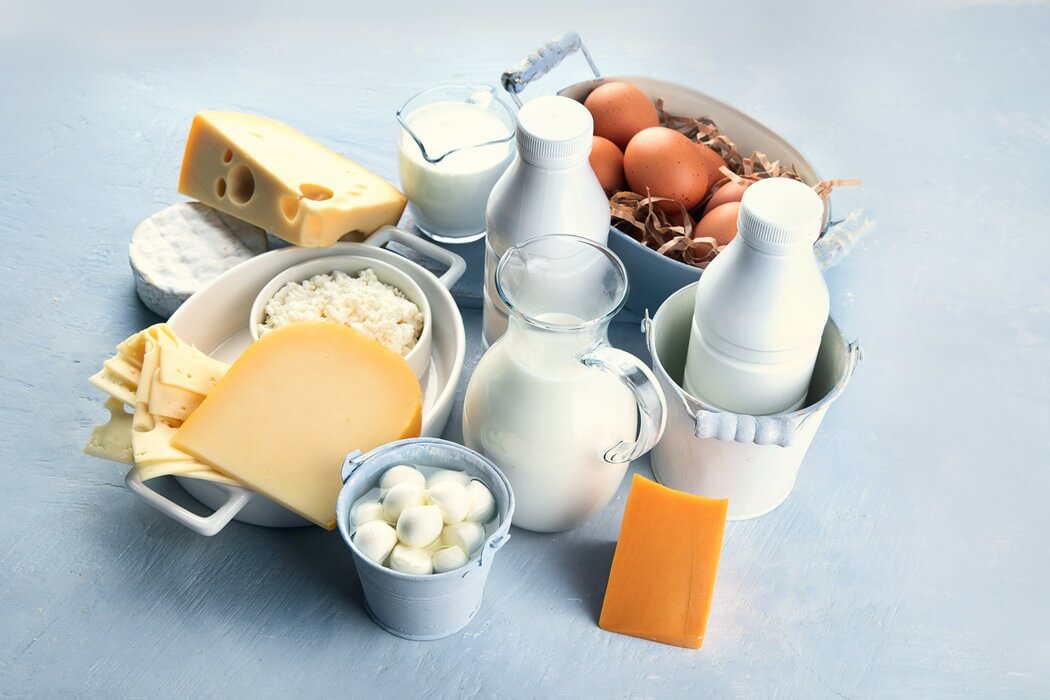
When your child is over 12 months old, then it’s crucial to temporarily eliminate dairy products from their diet for two months. During this time, make sure your child is taking an age-appropriate calcium-fortified soy milk or calcium supplement (age 1-4 years: 500mg of calcium per day; over 4 years: 800mg + calcium per day).
Also, avoid foods that are likely to cause flare-ups, such as sauces containing dairy products, tomato sauce, tamari, oyster sauce, soy sauce, artificial food colourings, preservatives like bread preservative 282 (calcium propionate), margarine, ham (as it contains nitrates), chocolates, oranges, dried fruits, strawberries, kiwis, avocados, grapes and anything that’s deep fried. You can add a small amount of butter, extra virgin olive oil and ghee in your cooking.
Two weeks after your child’s eczema clears up, you can begin to reintroduce the previously forbidden foods one at a time. The maintenance program includes glycine and low-dose liquid chlorophyll (a plant based supplement is available from health food shops). The combinations of these two supplements can let your child (over 12 months old) enjoy a more normal diet, as well as occasional party food without getting a flare-up. Oh! Don’t forget to throw up a celebration party when your child’s eczema has finally cleared up!
HEALING BATH RECIPES
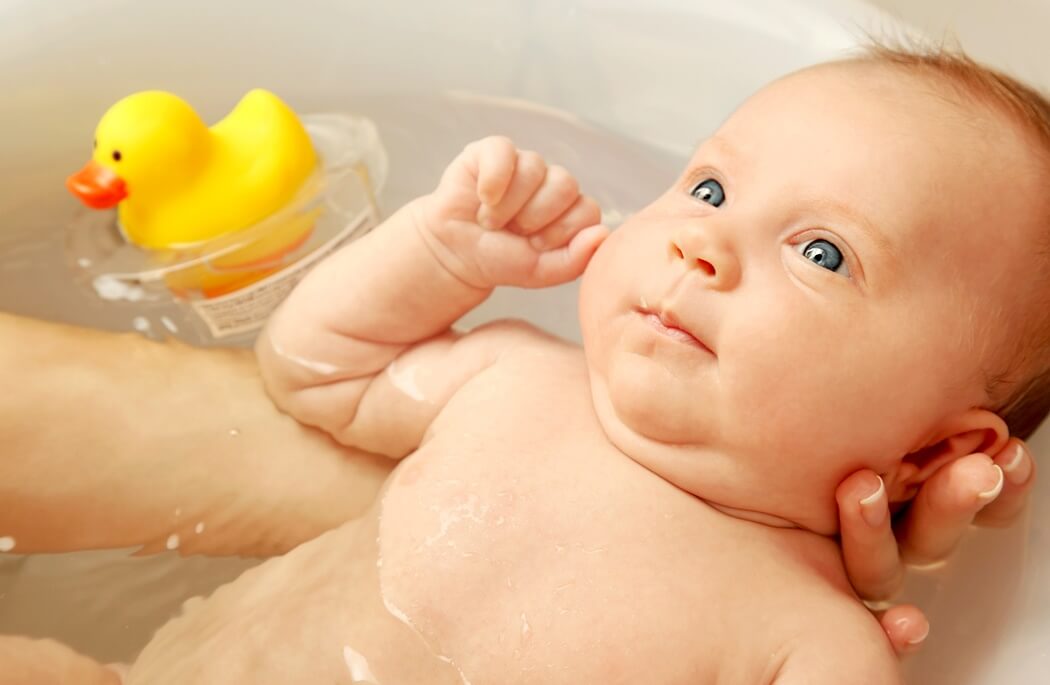
Baby bath recipes:
- For dry, flaky skin, add one teaspoon of oil or an oil blend to lukewarm bath. Suitable oils for this type of skin are emu oil, olive oil, coconut oil, evening primrose oil and jojoba oil.
- For itchy skin add two tablespoons of bicarbonate of soda to lukewarm bath.
Big bath recipes:
- When children are older, they can bathe in an adult-sized bathtub, but, make sure to keep the bath fairly shallow so less measured ingredients are needed.
- For dry, flaky skin, add one to two teaspoons of natural oil or an oil blend to a lukewarm bath. Suitable oils for this type of skin are emu oil, olive oil, coconut oil, evening primrose oil and jojoba oil.
- For itchy skin add 1/4 cup of bicarbonate of soda to lukewarm bath.