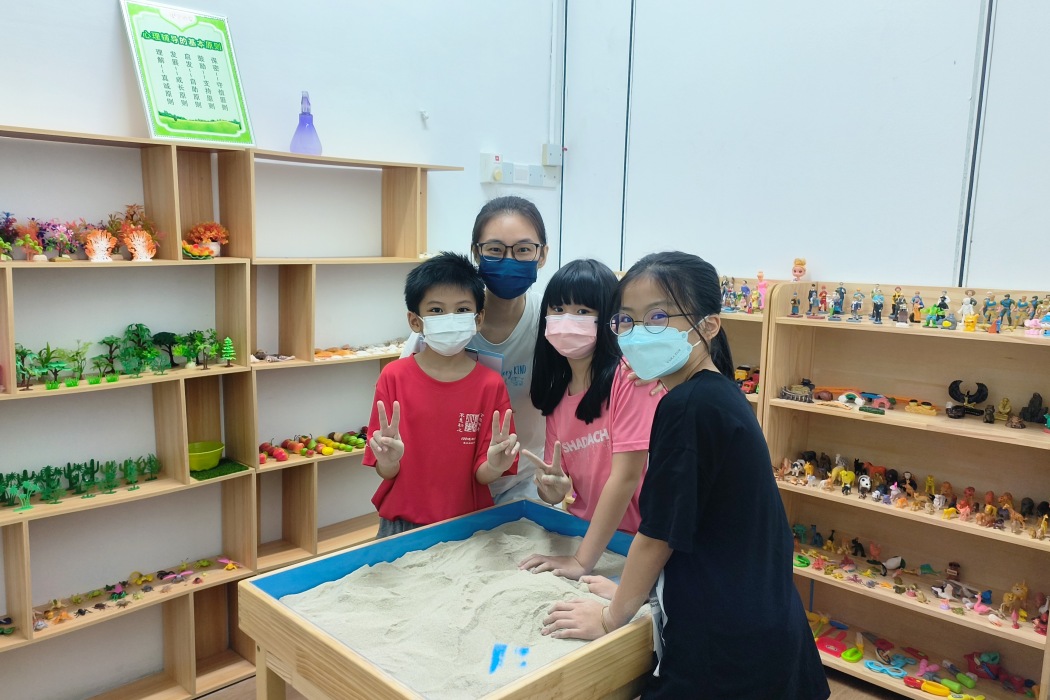






Yu Dickson, Teacher, Taarana Special Needs Education
Instilling joy in living skills tasks can be an arduous ordeal for parents and teachers as special needs students may need more time and continuous explanation to understand their importance in the future. Living skills consist of a wide range of knowledge and skills to shape them to become productive members of society. These skills are valuable tools for them to be self-reliant and face daily challenges in their workplace and communities without constant supervision.
Today, teachers and parents often feel as though they are not doing enough to prepare for their independent living. Skills such as making breakfast, going to a supermarket, managing money, housekeeping and laundry can be overwhelming for everyone. If you do not do this now, what can you do in the future? A special needs student might be more interested in finding 1001 ways to escape from the task as adults’ worry and uneasiness overshadow the joy of doing it.
Routine
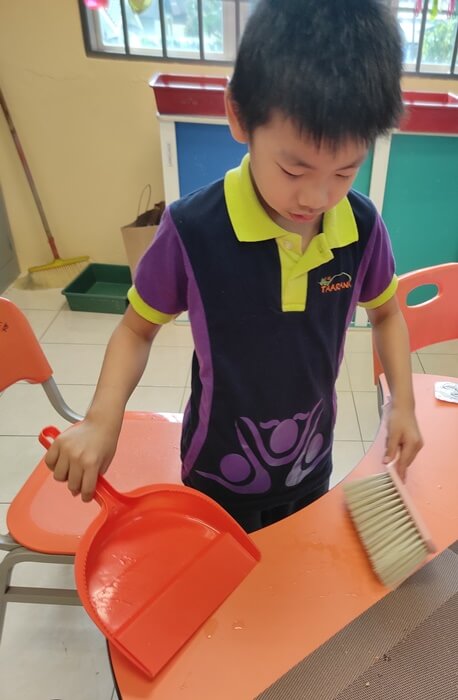
Practise sweeping the cookie crumbs into the table dustpan after their snack time is beneficial to their housekeeping skill.
Start with simple living skills tasks that they can practise in their routine. A big ‘NO’ will certainly come from their mouths if they are asked to learn these skills suddenly. Introducing life skills tasks abruptly is likely to cause avoidance of similar tasks in the future as they need extra time to acclimatise to the changes in their routine.
However, they are likely to learn their living skills if it is integrated well into their routine. For instance, ask them to wipe their table after a meal. Gradually, you could add on more tasks as they perform the task well in their routine. Find the right timing and encourage them to try again as continuous practice would help them improve their skills. It is important to have a well-planned routine to practice these skills joyfully at school and home.
Reward
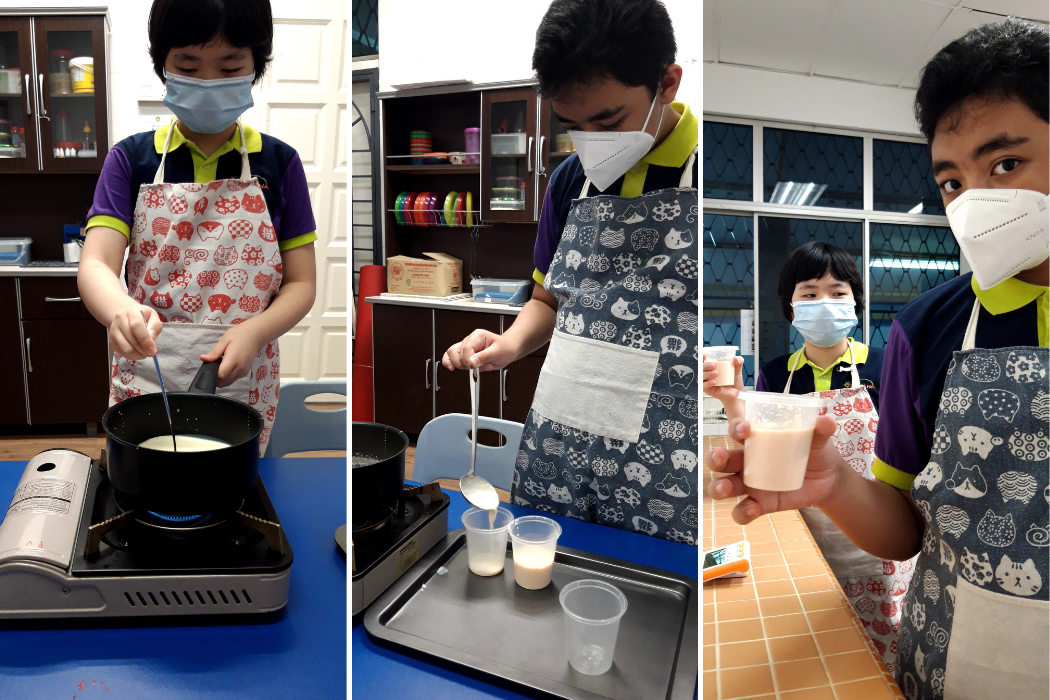
After all their hard work in the cooking class, the soft and spongy milk pudding is waiting for them.
Tangible rewards play important role in performing the living skills task. They would develop personal joy to complete the task especially if they can see, taste, smell, hear and feel the reward. Clapping hands or saying ‘Well done’ makes a difference during their living skills lesson. Design your reward according to the complexity of the tasks. The difficult tasks would require more meaningful rewards that would trigger their sense of achievement. The right reward is essential to build their motivation to achieve great things in life.
During a meal preparation class, students need to read the instructions, measure the ingredients accurately, adjust the fire of the gas stove and wash numerous kitchen tools. Finally, they get to eat the food that they have prepared tediously and even bring them home to be shared with their family members. The food is a meaningful reward as they could taste it and share their accomplishment with their family members which gives them sense of achievement in solving difficult tasks. The implementation of rewards is undoubtedly useful in encouraging the students to find joy in overcoming complex living skills tasks.
Role Model
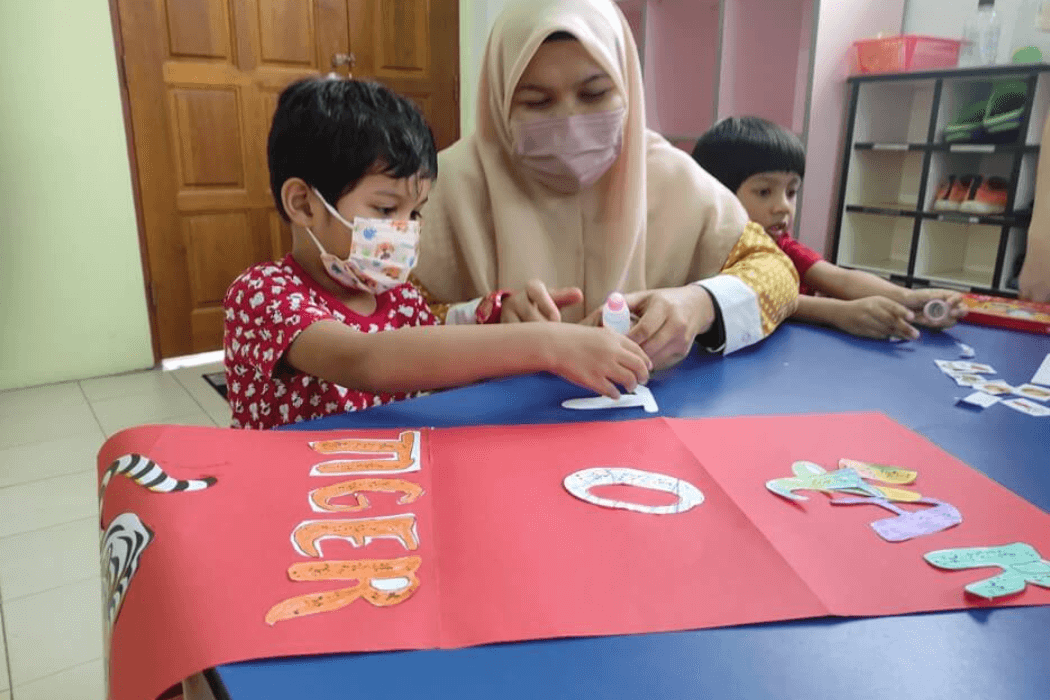
Work together with them. Show them the fun of preparing a poster for a festival celebration together.
Great teaching methods seldom work without a great teacher. If you want them to enjoy the living skills, then you must enjoy them in the first place. Parents and teachers remain influential figures from childhood to adolescence because they are less inclined to make a lot of new friends and interact with strangers. Special needs students may be slow in imitating the actions, but their brain and body are constantly absorbing information about the world by following the people around them.
First, smile when you are doing these skills. They can’t feel your joy when they see your grumpy face. Then, do laundry or grocery shopping together like you are on the same football team. For example, take-turn in pushing a heavy shopping trolley, putting pegs on wet clothes together or high 5 each other to celebrate task completion. Less of ‘I command, you do’ attitude would be great in nurturing the joy of performing these skills.
Just take a break if you feel overwhelmed by fear and anger during these skills. Doing living skills after work or in a class full of students running around can be stressful. Drink a glass of water and take a few deep breaths. Let them go as you breathe out. Your negative emotions are just as contagious as the joy itself. They may lead to unfavourable impressions of these skills and discourage them. Handling your negative emotions is crucial to their experience of learning living skills joyfully.
Different teaching strategies are employed throughout different life phases of students with special needs. Most importantly, enjoying the knowledge and skills from joyful parents and teachers should be the core of these strategies. Water the joy of practising living skills in their life and they shall grow into wonderful humans who can take good care of themselves and the people around them.