






Dr Sai Sudha Ram Moorthi, Obstetrics and Gynaecology (O&G), Pantai Hospital Ampang (PHA)
So, here’s the thing…women experience health issues unique to women alone. These conditions range from menstrual issues, fertility, and pregnancy through to postpartum, gynaecological conditions and cancer.
Women’s health concerns are not age specific and can span the reproductive lifetime and beyond. As I often tell my patients that “we women face up to health issues from our tender teen years up till our ripened golden years”.
From the teen years till the late twenties, menstruation and menstrual irregularities are prevalent. With awareness of women’s health spread over the internet, younger women are now more empowered to come forward with their health problems. Common highlights are menstrual irregularities which can include absent, infrequent, heavy, prolonged, or painful periods. These irregularities can occur for various reasons spanning from hormonal dysfunction, infections and medication use to structural causes.
Among conditions causing menstrual disturbances are Polycystic Ovarian Syndrome (PCOS), endometriosis, thyroid dysfunction, uterine fibroids, endometrial polyps (benign growth of the lining of the uterus) and the use of hormonal contraception. Ironically though, hormonal therapy is used to treat most of these non-structural conditions.
Along with menstrual disturbances, come fertility issues. It can be divided into primary or secondary causes. Primary subfertility refers to a woman who has never achieved a pregnancy while secondary subfertility is when at least one prior pregnancy has been achieved.
Common causes for infertility again include PCOS, endometriosis, uterine fibroids, primary ovarian insufficiency and scarring of the uterus following previous uterine procedures or infections. Male factor infertility should also be explored when working up these women, as this is often missed!

The pregnancy chapter of life sees women with pregnancy-related medical disorders such as (Diabetes in Pregnancy, Hypertension in Pregnancy, anaemia), preterm labour, pregnancy loss and premature birth, among others.
Regular antenatal follow-ups are required to ensure a safe pregnancy and delivery. Women with pre-existing medical conditions (present prior to pregnancy) are advised to seek pre-pregnancy care to ensure that their medical conditions are well controlled before embarking on pregnancy. This is to ensure they have a safe pregnancy journey.
For those who are 35-40 years of age, the risk of chromosomal abnormalities is increased. Non-invasive prenatal testing is now available as a screening tool for some common abnormalities. It is a blood test done wherein the fetal cells that are detected in the mother’s blood is collected and tested for risk of chromosomal abnormalities namely Down Syndrome, Patau Syndrome and Edwards Syndrome. It will be reported as high or low risk for the mentioned conditions. In the event it is a high-risk result, a more invasive test called amniocentesis, will be required for confirmation. This is done by a fetal-maternal medicine specialist.
Turning the page onto the post-partum period, some women may face issues with breastfeeding, infection, and even depression. Hence, tender loving support is vital throughout pregnancy and onto the postpartum period. A lady should be both physically and mentally prepared for the journey of pregnancy, delivery and postpartum.
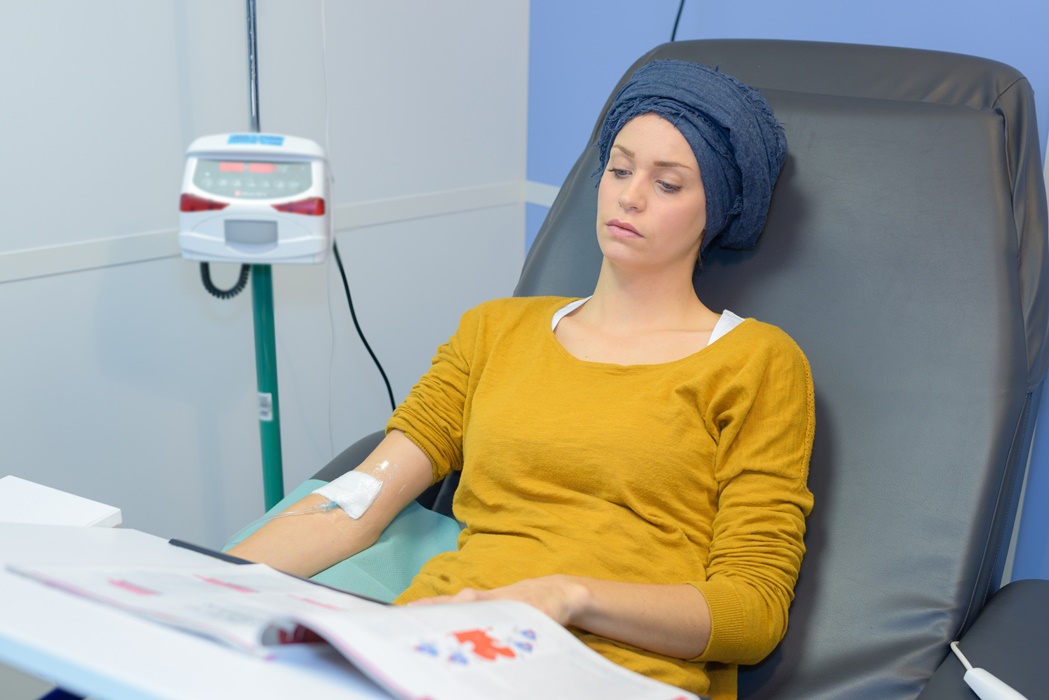
Cancer among women was initially thought to strike only in the ripened old age. However, today we see many younger women faced with cancer. This could be attributed to diet and lifestyle practises that have evolved over time. Breast and cervical cancers are among the most frequent and fatal cancers in women. Early detection improves survival rate and morbidity. Women are advised to do monthly breast self-examination and a yearly mammogram screening, especially in those with a strong family history of cancer.
Human papilloma virus (HPV) is the leading cause of cervical cancer. Any sexually active individual can get HPV, even if you have had sex with only one person. Cervical cancer takes years, even decades, to develop after the individual gets HPV. For sexually active women pap smears are recommended, with HPV co-testing as it can detect pre-malignant conditions, which if treated appropriately will reduce the risk of developing cervical cancer.
HPV vaccination works extremely well. HPV vaccine has the potential to prevent more than 90% of cancers caused by HPV. Therefore, its kudos to the Malaysian Health Ministry for the resumption of the human papillomavirus (HPV) vaccine to all Form One students from 2023.
Although lifestyle choices can be made to decrease cancer risk, there is no way to eliminate it. Most deaths from cancer result from simply not knowing you have it until it is too late! Annual screening is the best way to nip breast and cervical cancer at the bud, before it progresses too far.

The chapter of menopause in the Asian population is bookmarked at the 50–52nd year of life. You would think that with menopause, the woes of women’s health issues come to an end. But it doesn’t!
As we approach menopause, some women may again face disordered menses, where some may have heavy and prolonged cycles or light and shorter cycles. This may be coupled with climacteric symptoms like hot flushes, mood swings, easy irritability, loss of libido and skin dryness. All these occurs due to hormonal imbalances.
Given the uncertainties, one should be examined by a Gynaecologist if the flows are heavier than usual and not just assume it to be normal changes. Bone and heart health is affected after menopause due to the decline in the hormone estrogen. Women become more susceptible to fractures, high blood pressure and ischaemic heart conditions. Hence, supplementation with calcium and vitamin D is advised. For women who attain premature or early menopause, hormone replacement therapy is advised, to help reduce this risk.
I would also like to highlight here that post-menopausal bleeding is not normal. It could be caused by infection, atrophic vaginitis, or more importantly, uterine cancer. So, if you have attained menopause for more than a year, and suddenly have bleeding, please consult a doctor.
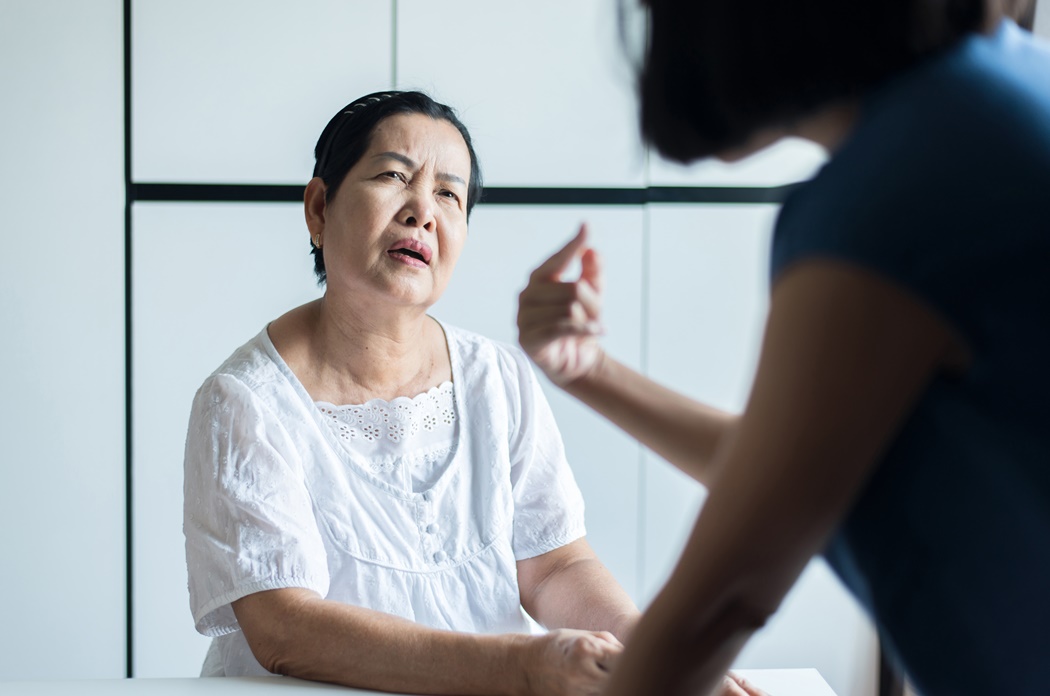
Alzheimer’s disease, a form of brain degeneration, has been found to occur two times more in women than men, of the same age group. It is usually triggered by a multitude of factors namely genetic variations, environmental and lifestyle factors. Healthy lifestyle choices, such as staying active and eating a healthy diet, can help promote optimal brain health.
Maintaining an optimal BMI (body-mass index), regular exercise, healthy diet and regular health screening will not only help to reduce the risk of women’s health issues but also improve the quality of life of a woman.
Let’s give our health the attention it needs from a tender young age, in hope of finding ourselves aging gracefully, in body and mind.
Eat right, play right, and get yourself screened early!