



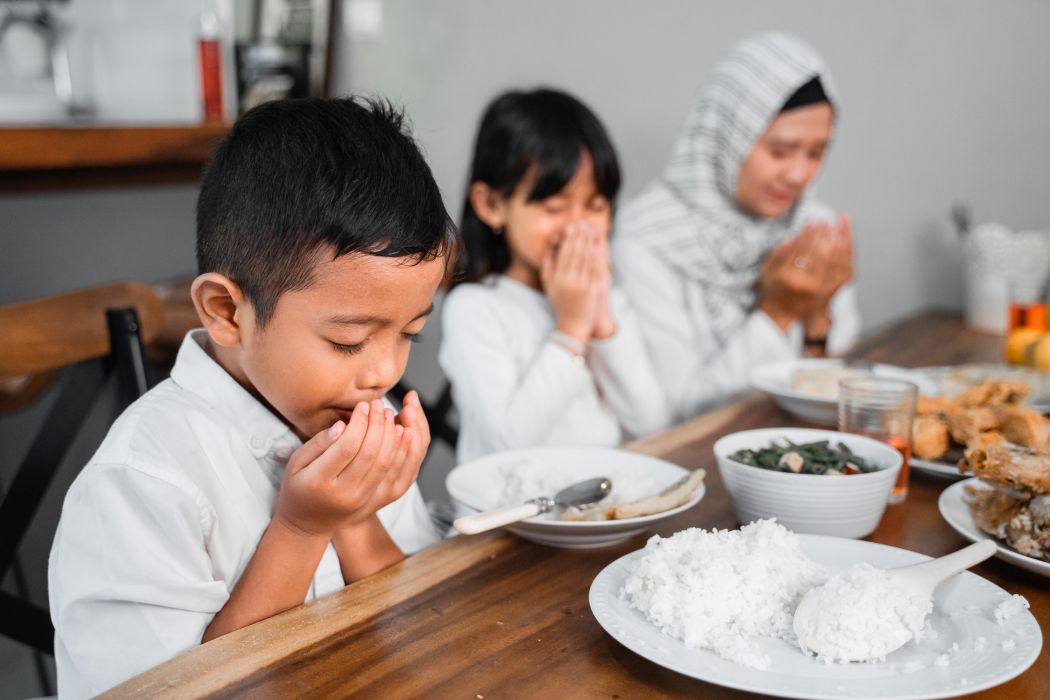


Teaching children about fasting isn’t just about skipping meals but also about building patience, discipline, and faith. Here’s how to make the experience easier, enjoyable, and spiritually enriching for young beginners.
Imagine being woken up in the wee hours of the morning to share a quiet meal with your family, and then embarking on a special challenge—fasting for the first time! The much-awaited Ramadan is here and for many children, this is a time of curiosity, excitement, and their first steps toward understanding this sacred month. But for young beginners, fasting, which is also known as the fourth pillar of Islam—can also be a struggle, both for them and you.

Nonetheless, with the right approach, patience, and encouragement, kids can embrace fasting in a way that is both enjoyable and meaningful. Here are some simple tips to help your little ones ease into their fasting journey while making Ramadan a memorable and rewarding experience.
When to Start?
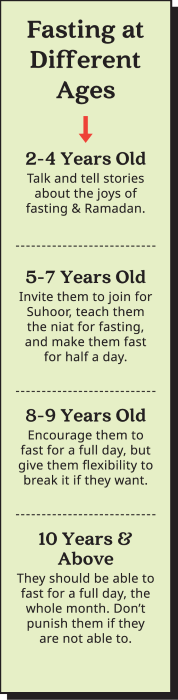
While there is no exact rule or a fixed age to when a child should start their fasting journey, the ideal time for this varies from child to child. In fact, many children usually express interest at a very young age, since their parents or older siblings are doing so. According to Islamic teachings, however, fasting automatically becomes an obligatory act when a child reaches puberty.
A good starting point is to prepare them even before puberty around the age of seven to nine depending on their physical strength, maturity, and enthusiasm.
Parents should lead by example and create a supportive environment so that when they reach the age of obligation, fasting feels like a natural and fulfilling part of their faith.
By the age of ten to twelve – around the age when most children typically reach puberty, most children will be physically and mentally better equipped to attempt full-day fasts. But even then, parents should assess their child’s readiness. Encouraging fasting through a gradual approach works best and make sure to monitor their energy levels, hydration, and overall well-being.
 The More They Know The More They Love
Children being the sponges they are, naturally absorb lessons better when presented in a fun and imaginative way. Rather than simply telling them and enforcing the rules of fasting, parents can share inspiring stories from the Quran or the Prophets, especially on the significance of fasting during Ramadan and other months.
These stories, as we know them, carry the values of patience, gratitude and self-discipline that are perfect for young minds. Be your children’s favourite storyteller and make them understand what fasting is all about from a very young age.
Parents can act out stories, use picture books, or even have family storytelling nights where each member shares what fasting means to them. The more engaging the storytelling, the more excited they will be to embrace the fasting journey.
At Their Own Pace
Every child is different—some may be eager and are capable of completing a full day, while others may find it a bit more challenging. Instead of enforcing strict rules, parents should encourage their children to fast according to their capability.
Starting with half-day fasts or skipping alternate days can help them adjust without feeling overwhelmed. This gentle transition not only builds their confidence but also helps your children to develop a love for Ramadan, rather than associating it with hardship.
Forcing children to fast before they are physically or emotionally ready may lead to resentment or even discourage them from embracing the practice in the future. Instead, focus on making Ramadan a positive and fulfilling journey.
According to renowned Fiqh expert, Ustaz Azhar Idrus, “If your young child promised to fast the whole day, but at 10 am asks for food, let them eat. That is the correct approach and it is wrong for parents to get angry and force them to fast from Fajr to Maghrib.”
When children feel supported rather than pressured, they are more likely to embrace fasting willingly and with a sense of accomplishment.
Rewards for The Victorious
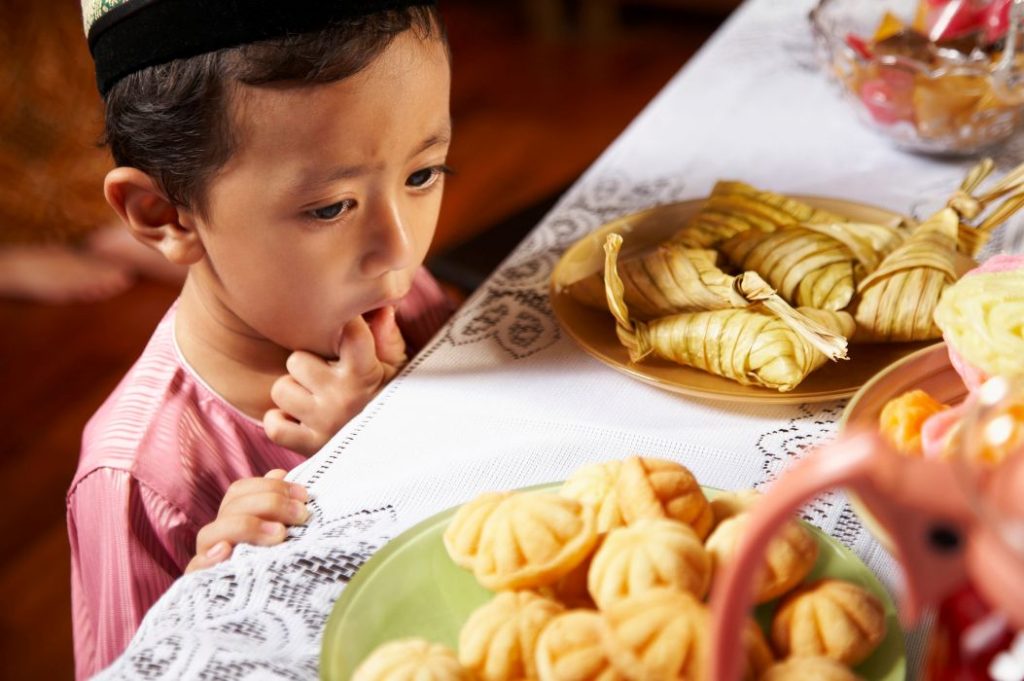
One of the simplest yet most meaningful rewards is preparing their favourite food and drinks for Iftar. After a hard day of patiently restraining from food and drinks, imagine the joy on their faces when they see a spread of their favourite pasta, a refreshing drink or even better, a special fancy dessert on the table! Guaranteed to make them feel appreciated and gives them something to look forward to. Involve them in meal preparations too, letting them choose the menu as a fun way to celebrate their accomplishments.
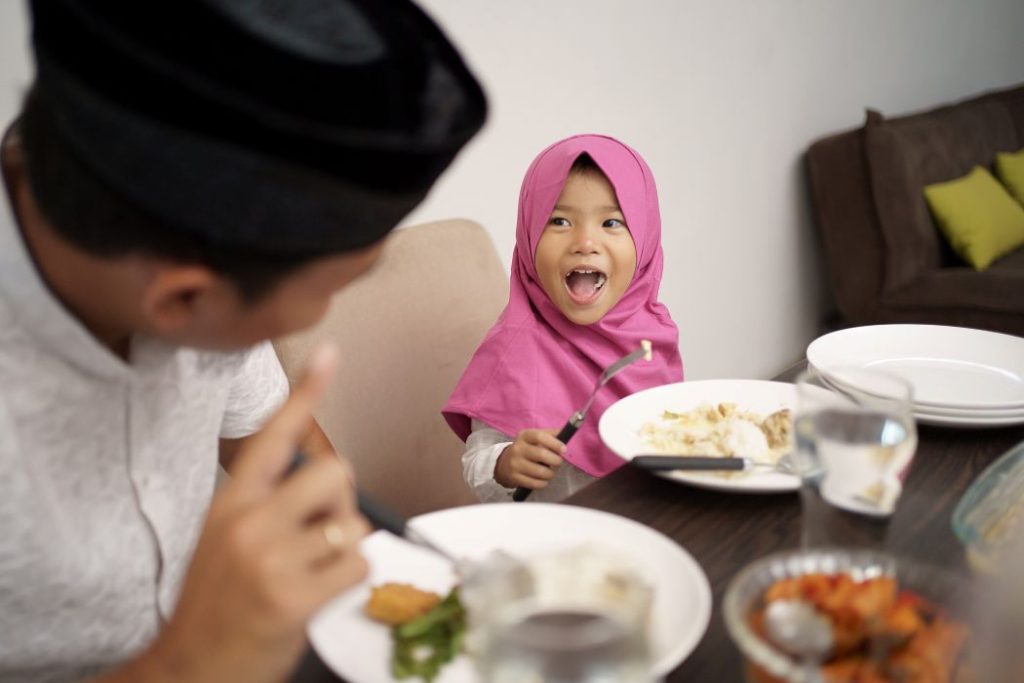
Aside from food, non-material rewards can also encourage children to embrace fasting with excitement. Organise a fun “Fasting Star” award or a simple family gathering to acknowledge their dedication. By making fasting a rewarding and positive experience, children will grow to appreciate the spiritual and personal significance of Ramadan.
Praise their efforts, celebrate their small achievements, and remind them that the goal is not just to abstain from food and water but to develop self-discipline, gratitude, and a deeper connection with faith.
“The fasting person has two moments of joy: one when he breaks his fast, and the other when he meets his Lord.”
(Hadith : Sahih al-Bukhari 1904, Sahih Muslim 1151)
Helping children ease into fasting may not be a walk in the park, but with the right support, they will not only develop resilience but also cherish the spiritual lessons that come with it, for a more meaningful Ramadan.