


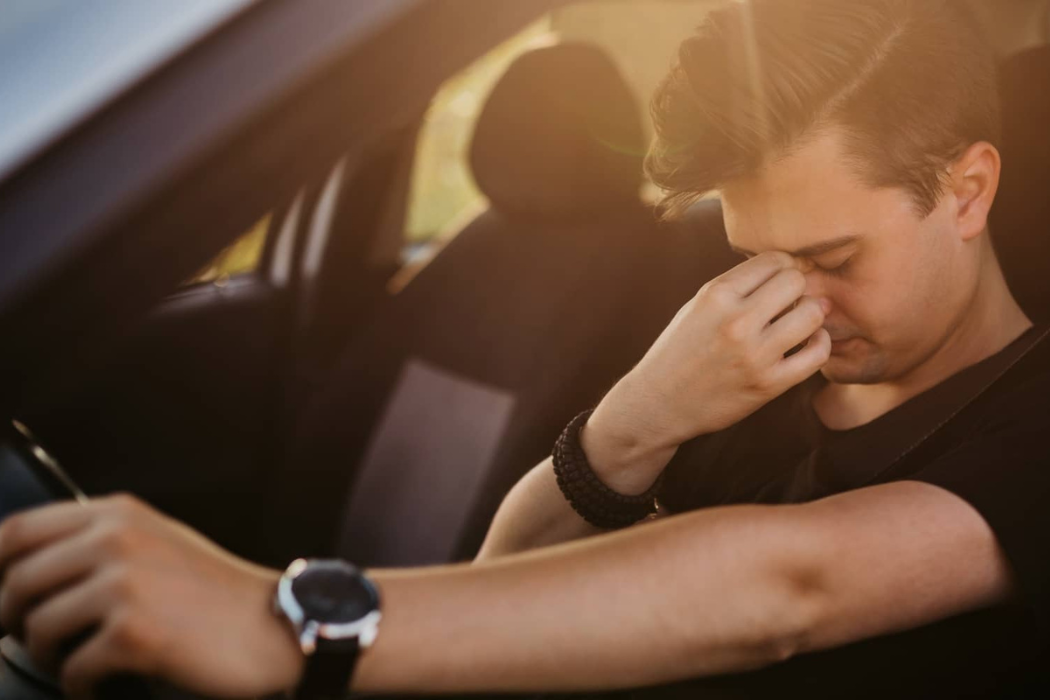


As school holidays roll in, thousands of Malaysians pack their bags, fill their tanks, and hit the highways, eager to balik kampung or escape on a well-earned family getaway. But while the excitement builds, a silent threat waits in the driver’s seat: microsleep, a few seconds of unconsciousness that can turn a joyful journey into a fatal tragedy. It happens without warning. Your eyes may be open, but your brain has already checked out. And when you’re behind the wheel, those few seconds can cost lives.
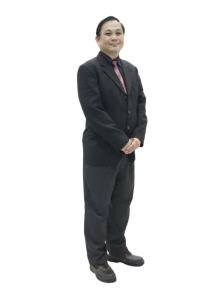
Dr. Lim Poh Hin, Consultant Neurologist from Ampang Puteri Specialist Hospital
“Even just a few seconds of microsleep while driving at 110km/h can be fatal,” warns Dr. Lim Poh Hin, Consultant Neurologist from Ampang Puteri Specialist Hospital
What is Microsleep?
Microsleep refers to brief, involuntary episodes of sleep lasting between 1 to 30 seconds. Your eyes may still be open, but your brain temporarily shuts down — and when you’re behind the wheel, those few seconds could cost lives.
Who Is at Risk?
Dr. Lim explains that anyone who is sleep-deprived is at risk. However, the danger increases significantly in:
- Long-distance or night-time drivers
- Shift workers
- Students cramming through the night
- Parents of young children
- People with sleep disorders such as sleep apnea or narcolepsy
Why Is Sleep So Important?
“Sleep isn’t just rest — it’s the body’s time to heal,” says Dr. Lim. Sleep helps regulate hormones, reduce stress, strengthen immunity, and maintain a healthy weight and heart function.
| Age Group | Recommended Sleep |
| 4–12 months | 12–16 hours (incl. naps) |
| 1–2 years | 11–14 hours |
| 3–5 years | 10–13 hours |
| 6–12 years | 9–12 hours |
| 13–18 years (Teens) | 8–10 hours |
| Adults | 7+ hours |
Could It Be Something More?
Microsleep isn’t just about not sleeping enough — sometimes it’s a symptom of an underlying condition:
- Obstructive Sleep Apnea – Interrupted breathing during sleep, often with loud snoring
- Narcolepsy – Sudden, uncontrollable sleep attacks during the day
- Absence Seizures – Brief, staring spells that can look like microsleep (especially in children)
Doctors may recommend a polysomnography (sleep study) to uncover what’s really happening during sleep.
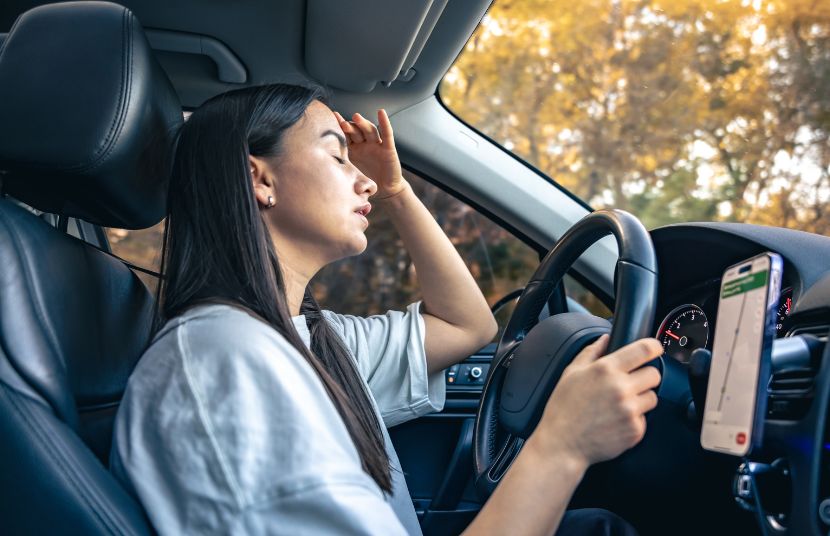
How to Prevent Microsleep This Holiday Season
✅ Get at least 7–9 hours of restful sleep the night before a long journey
✅ Avoid driving between midnight and 6 AM
✅ Take breaks every 2 hours
✅ Share driving duties whenever possible
✅ Avoid heavy meals, alcohol, or sedatives before driving
✅ Consult a doctor if you feel excessively sleepy despite sufficient rest
“Delaying your journey is better than risking your life.” – Dr. Lim
This school holiday, prioritise safety. Microsleep is silent, but deadly. And it’s entirely preventable.