





Many Malaysians see diabetes as nothing more than a sugar issue, something tied to desserts or sweet drinks.

Dr Lim Chong Wei, Consultant Endocrinologist, Sunway Medical Centre, Sunway City
But for the people living with it every day, it’s far more complex. It can quietly affect organs, throw hormones off balance, and in severe cases, put limbs at risk. Even with how common it is, the stigma still lingers. Too many feel judged or brushed aside, and what’s even more worrying is how many young adults have diabetes without realising it at all.
The National Health and Morbidity Survey 2023 shows that 1 in 6 adults in Malaysia has diabetes, but it also finds that 84% of adults aged 18-29 with diabetes do not know they have it.i
Dr Lim Chong Wei, Consultant Endocrinologist at Sunway Medical Centre, Sunway City, emphasises the importance of early detection, education, and empathy. “It’s not just about sugar; it’s about the whole body. Diabetes is a chronic health condition, but it’s manageable.
Taking it seriously early helps prevent serious complications. For many, it’s about changing the conversation before it’s too late,” he said.
Hidden Dangers of Diabetes
Diabetes can be managed, but complications often begin before symptoms appear. Kidney damage or diabetic nephropathy is one of the most common complications of diabetes. “Diabetic nephropathy can develop quietly, with early signs like protein in the urine that aren’t visible to the naked eye. Without regular testing, patients often find out too late, when dialysis or even a transplant is needed,” Dr Lim explained.
Other complications include nerve damage, heart attacks, strokes, and even dementia. Poorly controlled diabetes can lead to silent strokes and memory issues as early as the 50s, much earlier than in healthy individuals.
“Diabetic nephropathy can develop quietly, with early signs like protein in the urine that aren’t visible to the naked eye. I’ve had patients in their 30s coming in with a stroke or nerve problems, and only then do we find out they’ve had undiagnosed type 2 diabetes for years.” – Dr Lim Chong Wei.
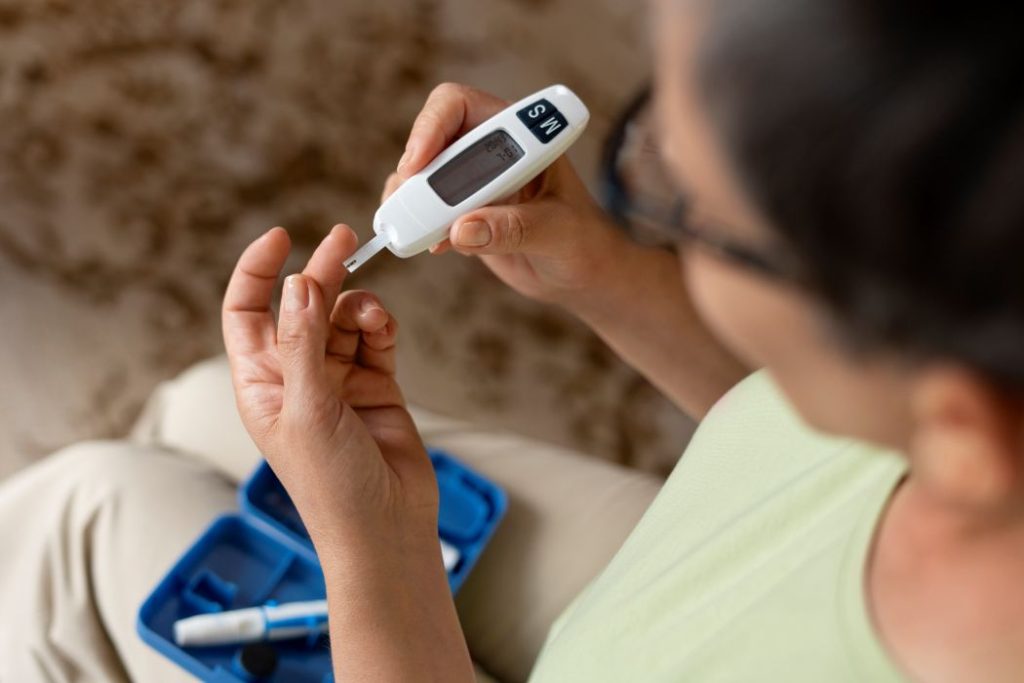
Mental Health and the Stigma Around Diabetes
Dr Lim dispelled the myth that diabetes is only caused by lifestyle. “There’s this global assumption that type 2 diabetes is always due to poor lifestyle choices. But that’s not true for everyone. Some people have genetic conditions, hormonal disorders like Cushing’s or acromegaly, or have been on long-term steroid therapy, which leads to weight gain and insulin resistance. Diabetes can also affect sexual hormones and reproductive health,” he said.
Men may experience erectile dysfunction and low testosterone, while women may have fertility issues, which can be associated with polycystic ovarian syndrome (PCOS). Beyond the body, managing diabetes can also take a toll on mental health. About 30–40% of people living with diabetes may experience depression at some point in their lives.
“People living with diabetes carry a significant burden, including having to change their diet, lifestyle, take regular insulin injections, manage hypoglycaemia and cope with stigma. These can be overwhelming for them, and we need to be more supportive instead of judging people living with diabetes,” Dr Lim urged.
“There’s this global assumption that type 2 diabetes is always due to poor lifestyle choices. But that’s not true for everyone. Some people have genetic conditions, hormonal disorders like Cushing’s or acromegaly, or have been on long-term steroid therapy, which leads to weight gain and insulin resistance.”
Understanding Pre-Diabetes
Pre-diabetes is a warning sign, not a label. “If you’re pre-diabetic, there is an opportunity to reverse it with weight loss, lifestyle changes, and medications. It’s a critical window of opportunity,” Dr Lim explained.

Early Screening Can Save Lives
Dr Lim recalled a patient in his 30s diagnosed with early type 2 diabetes following a routine screening. With medication and lifestyle changes, the patient lost weight and successfully put diabetes into remission. He has regained control of his health. That’s the power of early intervention. It completely changed his life and prevented future complications with medication and lifestyle changes,” Dr Lim said.
Diabetes isn’t just about what we eat; it’s about the systems it affects and the lives it can quietly change. Dr Lim concluded, “We need to be more supportive. Diabetes is a chronic condition, but it is manageable. With the right support, treatment, and mindset, people can live well and avoid complications.”