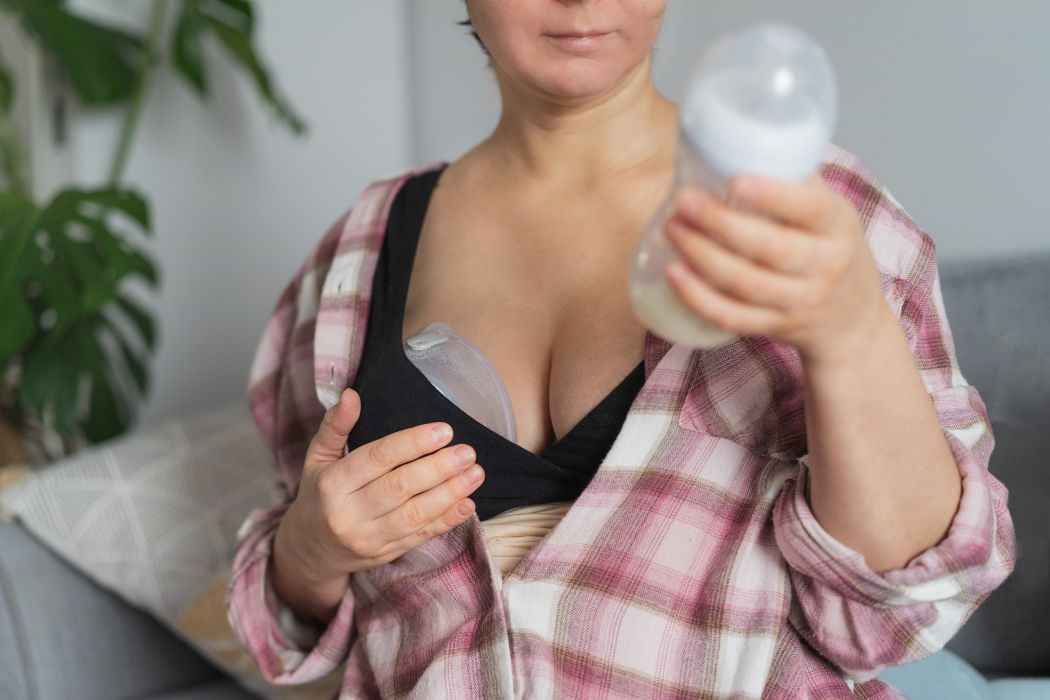





Many new mums do not desire sex after childbirth because of pain, or fear of pain, during intercourse.
The time it takes for a new mum’s desire to return to previous levels depends largely on her birthing experience.
So how long should you wait to resume your sexual activity with your spouse?
How long should you wait?
There really is no exact timing on resuming sex.
Most new mothers would be uncomfortable to have sexual intercourse two or three weeks after delivery, regardless of how easy the delivery was.
The number of weeks you should wait before having sexual intercourse varies depending on your specific circumstance.
If you had an episiotomy, you should wait at least three to four weeks before having sexual intercourse so it can heal.
If you had a Caesarean section, you should wait at least four weeks so your incisions can heal, as it takes approximately six weeks for your uterus to return to normal after you give birth.
Many doctors recommend waiting for a full six weeks.
Your hormone levels may take even longer to return to normal, especially if you are breastfeeding.
Traditionally, obstetricians have told their patients “no sex for six weeks” after giving birth.
What they mean is to avoid penetration (inserting a penis, fingers, or other things into the vagina).
Other doctors may specify only four weeks or when the lochia (postpartum discharge from the vagina) stops, whichever is later.
The main reason for avoiding intercourse is to allow the mother’s genital tissues to heal, especially if there was an episiotomy or tearing.
Avoiding infection is another reason. But these risks do not require weeks of abstinence from intercourse.
Sex by manual or oral stimulation of the clitoris should not be a problem, providing there are no tears involving that area.
Remember that even if your doctor tells you that you can have sexual intercourse again after a certain number of weeks, it does not mean that you will feel like having sex or that it will not hurt at all after that period of time.
Recovery time varies from woman to woman. It takes time to completely heal and feel like having sex again.
Changes in your hormone levels after delivery and while breastfeeding often lower your sexual desire.
Your spouse may be concerned if a set time has passed and you still do not feel ready. He may be especially anxious considering sex during your pregnancy has been awkward and less frequent.
Assure him that the pain will go away eventually and your sex life will return to normal.

How Sex will be Different After Birth
Even if you want to get back to your normal sexual activities as soon as possible, you may have some problems at first.
You may still have some pain while having sex for weeks or months afterward, even after your incisions or tears have healed. Your vagina may be drier than normal, especially if you are breastfeeding.
You may feel too busy, anxious, and tired while you adjust to the new baby, especially if it is your first baby. You may also be afraid of getting pregnant again.
However, sex after birth does have its benefits. The hormones that are released during sex will help your uterus return to its normal shape.
While you are waiting for your body to return to normal, use these tips to help make sex more enjoyable.
- Use a lubricant until your hormone levels are back to normal and your vagina lubricates itself.
- Talk to your spouse about how you feel and tell him what hurts you so he can be gentle, especially if you have had an episiotomy.
- If you are breastfeeding, you may find that you have milk let-down during sex. Breastfeeding your baby before having sex may help.
- Try to use a sexual position that puts less pressure on your stomach and sore areas. If you are on top, you may have better control over movements that cause pain.
Lochia & Menstrual After Childbirth
The period-like discharge from the uterus that occurs after delivery is called lochia, and it can last up to six weeks post-partum.
A menstrual period can occur four weeks after delivery, so sometimes you can bleed up until the period actually begins. The uterine discharge usually lessens with time, so that you should be able to tell when the true period begins.
Periods may be delayed until six months after you finish breastfeeding, so the time varies as far as when to expect normal periods.
Also, breastfeeding can actually decrease your ovaries’ normal oestrogen production, and as a result, you may experience vaginal dryness.
Lubricants, as well as topical vaginal oestrogen creams, can be very helpful.

Birth Control for Breastfeeding Mothers
If you start having sex before your post-partum checkup, it is a good idea to use some form of birth control, such as a condom, until you and your doctor can discuss all your options.
If you are breastfeeding, you should not use combination birth control pills (which contain both oestrogen and progesterone), a vaginal ring, or monthly shots (Lunelle).
Ask your doctor about choices for birth control methods if you plan to breastfeed.
Birth control methods that can be used when you are breastfeeding include condoms, spermicide creams, and progestin-only birth control pills, which you can begin three to four weeks after the birth of your baby as well as other birth control methods that your doctor suggested.
Breastfeeding by itself is not considered a completely reliable method of birth control. Just remember, though, to always use some form of contraception if you do not want to become pregnant again right away.
Babies can be born nine months apart. Breastfeeding decreases but does not prevent fertility.
If you plan to have children again very soon, you may want to avoid using the hormone methods of birth control (pills or shots).
That way you will not have to wait for your body to readjust to your normal hormone level and menstrual cycle. This makes it easier for you to get pregnant when you are ready.
Why New Mums Often Refuse to Have Sexual Intercourse
For many women, in the weeks and months following childbirth, their desire for sex is low or non-existent.
They may find that healing has not progressed enough to make intercourse pleasurable.
A study found that 20 per cent of first time mothers took six months to feel physically comfortable during sex.
The median time was around three months. Yet another study found that 57 per cent of mothers were still having less frequent sex at 12 months after childbirth.
Hormonal Factors
Hormone levels are also affected by breastfeeding. A breastfeeding mum might not start menstruating again for quite a while longer compared to a mum who bottle feed her baby.
This can translate into an extended decrease in libido. A mother who breastfeed her baby may also have the experience of breasts milk leak during sex.
Orgasm and breast stimulation can trigger the let-down reflex. Couples may find this awkward to deal with.

Fear of Pain
Many new mums do not desire sex after childbirth because of pain, or fear of pain, during intercourse.
The time it takes for a new mum’s desire to return to previous levels depends largely on her birthing experience.
Mothers who deliver with the assistance of forceps tend to take longer to feel comfortable during sex.
The same goes for those who experience internal vaginal tears. Women with swelling after childbirth and (or) any breakdown of the perineum (the external region between the vulva and the anus that is made up of skin and muscle) also tend to take longer to feel comfortable during sex.
If a mum experiences pain or fears pain, she might try oral sex, manual sex, or being on top during sex, which can help her steer her spouse away from sore spots.
In any case, she can guide the penis into her vagina gently. Also make sure to use a lot of lubricant, as this will combat pain due to vaginal dryness.
Lifestyle Changes & Fatigue
As any new mother knows, the first weeks and months after childbirth are exhausting.
Fatigue is one of the most common reasons for low sexual desire. Between recovering from childbirth, hardly sleeping, and the demands of breastfeeding, sex often falls to the wayside.
Childbirth requires huge adjustments on the part of both parents and sex can be difficult to fit into an already packed schedule and into the changing roles of the individual parents and the relationship itself.
For most new mothers, decreased libido is only a temporary change that requires time to return to normal.

Getting Back into the Groove
New mothers may find that it takes them a while to get back into the groove when it comes to sex.
This can be related to a number of factors, including the disrupted sleep and exhaustion that comes with being a new parent, the precipitous fall of hormone levels after pregnancy, the physical discomfort that is common after childbirth, post-partum depression, and feelings of unattractiveness due to the physical changes that accompany pregnancy.
Many, if not all, of these problems will improve with time. As these problems disappear, your sex life will probably improve.