



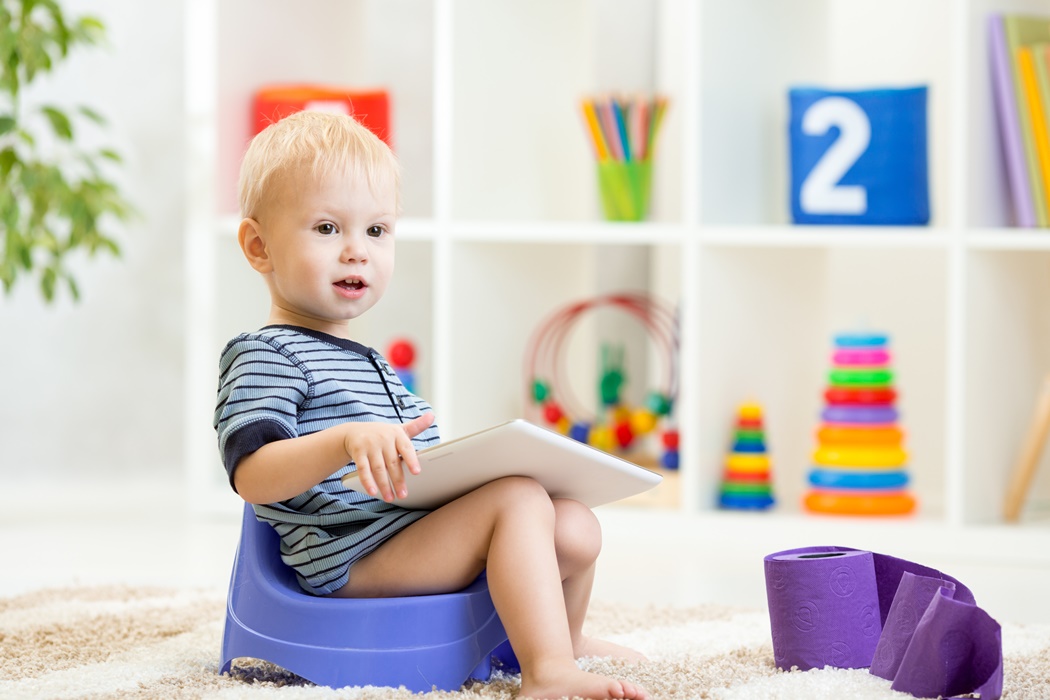


Do not begin training until your child shows signs that he or she is ready.
Every child is different. Most are ready for training at two years, but some as young as 18 months or as old as three years old.
Try to start at a time when you can spend a lot of time with your child, when your child seems complacent, happy and there are no major distractions or traumatic events in his or her life like having a new sibling, moving, new caretaker and so forth.
Signs of Readiness
- Your child has bowel movements at about the same time every day.
- Your child can stay dry for a few hours, or wakes up from sleep dry.
- Your child knows that he or she has to go to the bathroom
- Your child understands the association between dry pants and using the potty.
- Your child lets you know when he or she has wet or soiled her diapers.
- Your child can pull his or her pants up and down.
- Your child can follow simple directions like “Let’s go to the potty.”
- Your child understands what “pee, poop, dry, wet, clean, and potty” mean.
- Your child can tell you that he or she has to go to the bathroom.
- Your child imitates other members of the family.
- Your child watches you on the toilet and asks questions.
- Your child wants to do things by him or herself.
- Your child enjoys washing his or her hands.
- Your child gets upset if his or her belongings are not in their proper place.
- Your child wants to please you.
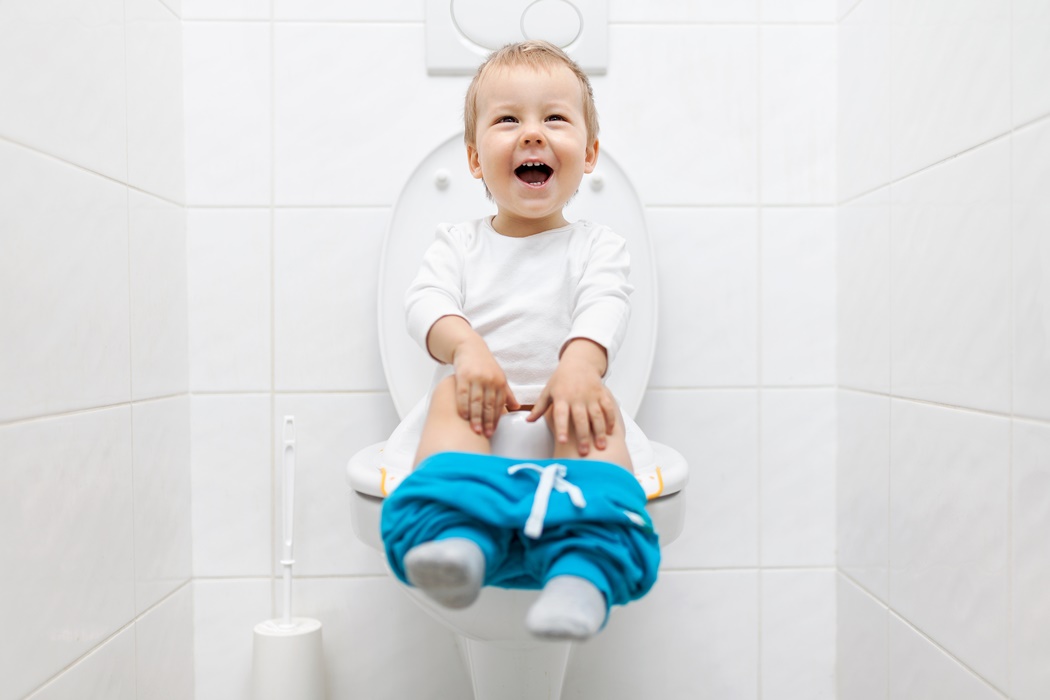
Potty Training Tips
Teaching your child to use the potty need not be hard work.
But it does require significant preparation for both the child and the parent. Here are some tips on preparing for the potty.
1. Make it your top priority
Make potty training your top priority and do it on a consistent basis when you have the emotional and physical energy to do it. Even if your child shows signs of potty training readiness, you may not be ready for it as a parent.
2. Choose a proper time
Select a time to begin the potty training when your family’s routine is least likely to be disturbed with house guests, vacations away from home, a move, and so on. Make sure you are not pre-occupied with other major commitments such as work or other errands. Long holiday weekends are ideal to start.
3. Pick your words carefully
Decide what words you use to describe body parts, urine, and bowel movements. Avoid using words such as ‘dirty,’ ‘naughty,’ or ‘stinky’ to describe waste products. These negative terms can make your child feel ashamed and self-conscious. Treat urination and bowel movements in a simple, matter-of-fact manner.
4. Explain to your child clearly
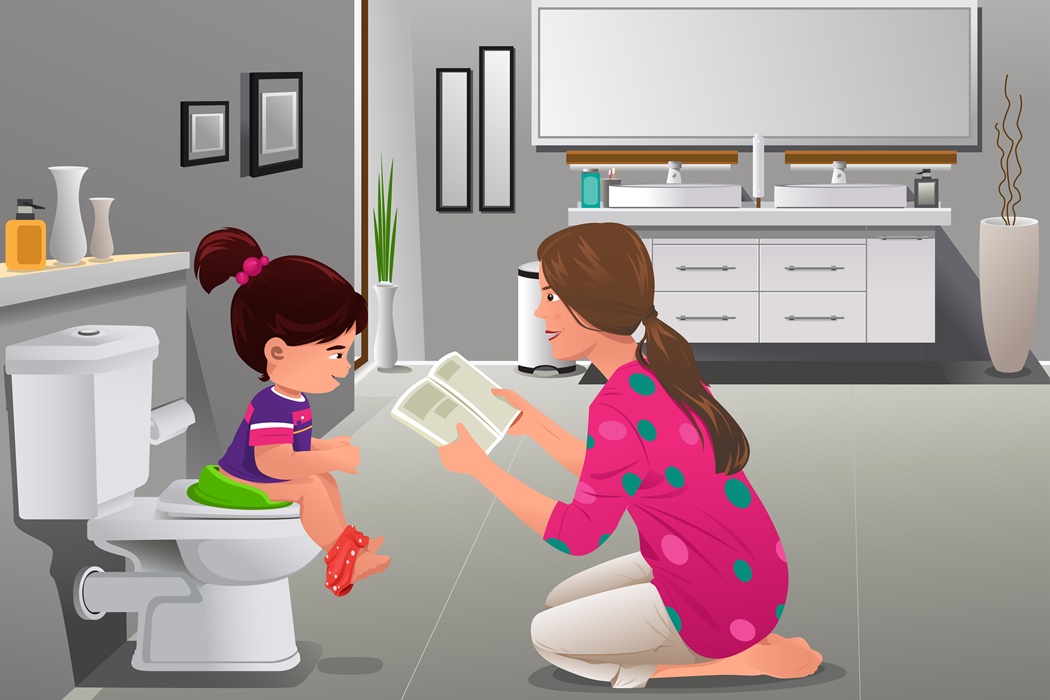
At the start, explain to your child that it is time to put her ‘pee-pee’ and ‘poo-poo’ in the potty. Tell your child that when she feels the need to go she should hold it in just long enough to walk to the potty, sit down, and let it go.
5. Tell your child the benefits of being potty trained
Talk to your child about the advantages of being trained — no more diaper rash, no more interruptions for diaper changing, and the pleasure of being clean and dry. Discuss training as an important stage of growing up.
6. Utilise stuffed toys or dolls
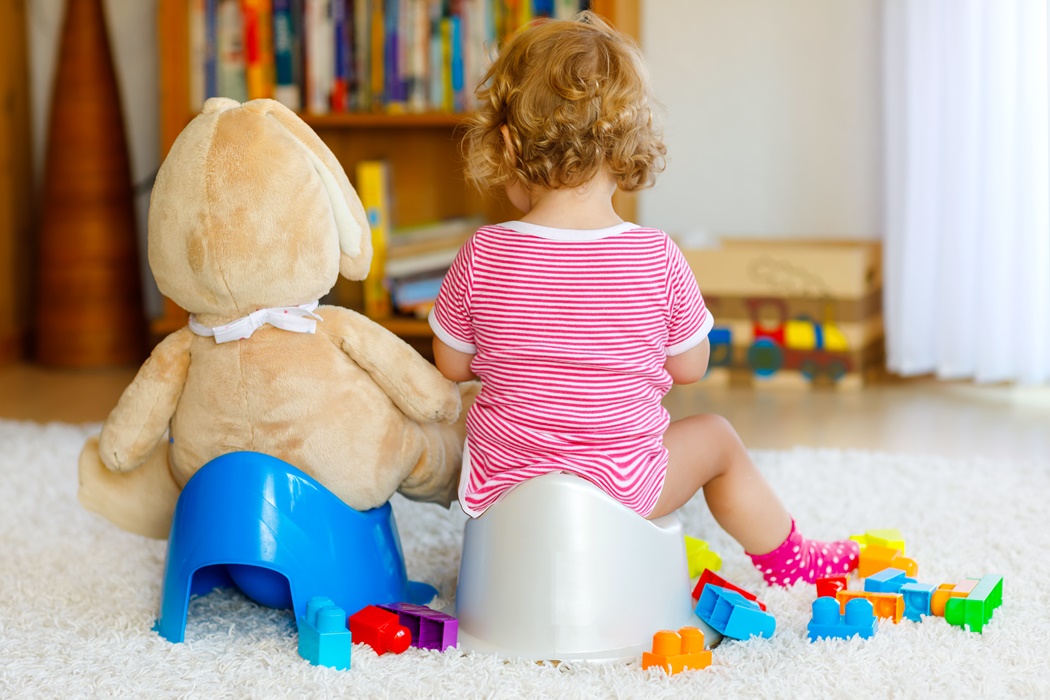
Sit your child’s favourite doll or stuffed toy on a pretend toilet, explaining to your child that the baby is going pee-pee in the potty. Put diapers on his favourite stuffed bear. Then graduate the bear to underwear.
7. Present a book or video
Present books and videos about toilet learning so your child can see other children learning to use the potty. These materials are available online or in your local bookstore. And just as some adults enjoy reading materials while sitting on the toilet, a toddler’s favourite books can help the minutes quickly pass. You can find links to mum-tested and recommended potty training books and videos via most parenting websites.
8. Choose a potty day
Get a calendar and ask your child when he wants to begin to learn how to use the potty. Circle the date in a bright colour and keep reminding him that the ‘potty day’ is almost here.
Check the seat, especially the tilting toilet seats. Some seats have a tendency to fall quickly when put upright. If the seat tilts or must be supported by hand, change it. The seat must be able to stay up so it does not fall down and strike the child’s penis when his is urinating standing up. For a start, a portable plastic potty for toddler would be a more ideal choice.
9. Squash the roll
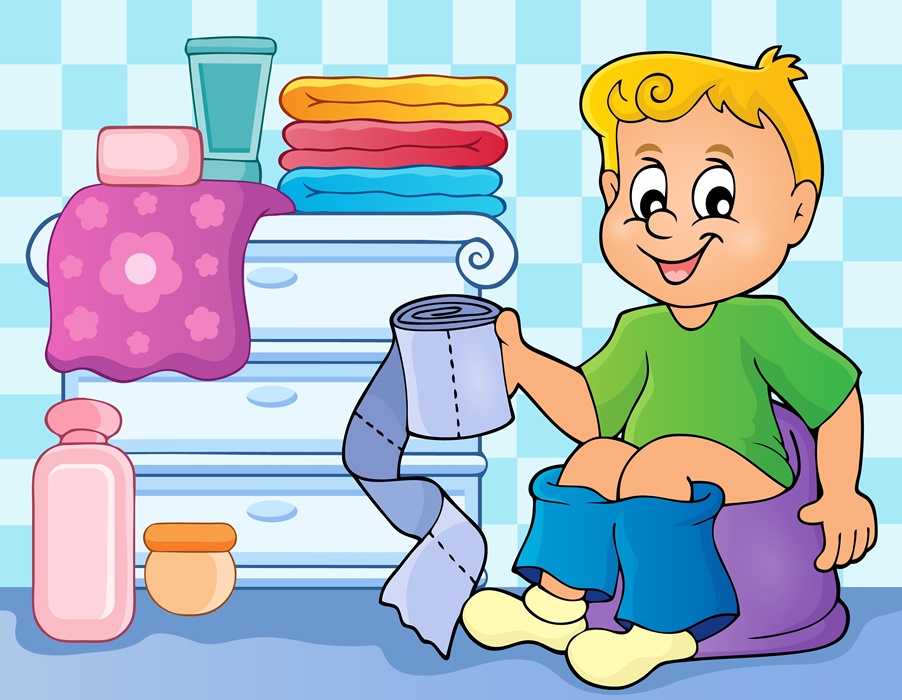
If your toddler likes to unroll the toilet paper, try this. Before you put a new roll on the roller, squash the roll so that the cardboard roll inside is no longer round. This way, it will not unroll as fast. Also, little ones who are on potty training will not get too much paper per tug on the roll.