





The Breast Cancer Welfare Association Malaysia (BCWA), supported by Pfizer Malaysia launched #UnPause, a community initiative to rally metastatic breast cancer (mBC) patients to live life to the fullest, raise the awareness of mBC among the public, as well as avert treatment disruption caused by the COVID-19 pandemic.
Catering to the increasingly tech-savvy and mobile audience, as well as complying with the current physical distancing practices, the initiative is anchored by a digital resource hub known as thrive-malaysia.com, where visitors can find information about mBC, treatment options, support groups, financial assistance, and video stories of courageous mBC patients that would help those living with mBC feel less isolated.

mBC, an under-represented segment in the mainstream breast cancer conversation
Despite the collective advocacy of breast cancer and multitudes of awareness activities, mBC – the most advanced stage of breast cancer in which cancer has spread beyond the breast to other organs in the body[1] – remains an under-represented voice in the mainstream narrative. In fact, three in every five respondents surveyed by BCWA in 2019 said they know little to nothing about mBC[2].
mBC is the second leading cause of cancer death among women today[3]. Furthermore, the emotional toll of mBC can be profound, and can transcend into the way people feel about themselves, communicate with others and live their lives[4].
Even when diagnosed at an early stage, up to 30 percent of women with early breast cancer will eventually progress to metastatic disease[5].

“It is difficult to imagine how intense it can be. Feelings of fear, anxiety, and distress that a person with mBC faces is hard to put into words. They experience sleepless nights and panic more often than usual, imagining that an mBC diagnosis means this is the end of life. They start to worry about who will take over their responsibilities. Yet, it is also equally important for them to realise that life does not have to come to a halt after mBC, and it is possible to live life to the fullest after an mBC diagnosis” said Ms. Ranjit Kaur, President, Breast Cancer Welfare Association Malaysia.
Treatment disruptions during the COVID-19 pandemic
Moreover, cancer patients, their families, and caregivers are disproportionally impacted by the COVID-19 pandemic.
Over the past few months, media reports and first-hand accounts from medical practitioners have reported harrowing stories of cancer patients whose treatment had been disrupted due to the government’s enforced nationwide movement restriction order.
According to the Cancer Research Malaysia’s survey in April 2020, almost half of the patients are concerned about attending hospital appointments because of fear of COVID-19 infection6.
The reality is cancer patients are facing an impossible dilemma. Patients whose immune system has been weakened and compromised due to their illness, chemotherapy, radiation, and other treatments are at higher risk of contracting and succumbing to COVID-197. There are also many factors to consider when making an important decision such as postponing cancer treatment in order to avoid a potential infection with COVID-197. Patients should discuss with their treating oncologists about the risks of postponing treatment versus the potential benefit of decreasing their infection risk7.

“Many hospitals and cancer clinics have taken appropriate steps designed to minimise the risk of COVID-19 transmission. Where possible, some centres are also offering virtual appointments, in which patients and physicians can meet online. Consult your healthcare providers for advice on safe visits and options available,” said Dr. Malwinder Singh, Consultant Clinical Oncologist.
UnPause lives that are touched by metastatic breast cancer
Three out of five surveyed in 2019 believed that mBC is caused by late detection of breast cancer2. This misconception may lead to the stigmatisation of people with mBC. It’s important to understand that breast cancer is a multi-dimensional disease with distinct characteristics, patient needs, and outcomes.
“At BCWA, our Community Outreach Team is constantly trying to dispel myths and misinformation of mBC as there is a huge stigma against it. This stigma is not only related to society’s misconception but also the self-concept of the patient feeling stigmatised. This includes body-image issues, social isolation, feeling marginalised, enduring stress, behavioural change, treatment- and cost- related issues and more,” said Ranjit.
“That is why BCWA is committed to providing psychosocial peer support, practical assistance, and educational resources. The time has come for us living with breast cancer – the early, the advanced, and the metastatic to feel equally embraced. We are pleased to be partnering with Pfizer once more to get the message out to even more people.” Ranjit added.
About 62% of survey respondents also believed that mBC was untreatable2. The truth is many patients can live long, fulfilling, and productive lives while being treated for metastatic disease. There are many approaches to treating mBC and new treatments are being tested every day5.
“Each patient’s treatment plan will be different because every breast cancer is unique. More importantly, patients can be confident that there is a wide variety of metastatic treatment options available. While mBC cannot be cured, the goal of mBC treatment is to slow or stop cancer growth while maintaining the patients quality of life,” said Dr. Malwinder.
Know your financing options for mBC treatments
Dr. Malwinder also emphasised the importance of access to treatment options and professional guidance to the risks and benefits. When it comes to treatment seeking approaches, the 2019 survey by BCWA revealed about 80% of survey respondents believed that affordability is the main barrier preventing patients from seeking effective medical treatment2.
“I understand that affordability remains one of the main barriers faced by patients when it comes to mBC treatments. There are several financing options in Malaysia that support mBC patients, for example, government hospitals, SOCSO (Social Security Organization) & EPF (Employees’ Provident Fund), insurance and patient assistance programs such as EMBRACE. Speak to your doctor to learn more,” added Dr. Malwinder.
EMBRACE is a patient assistance program by Pfizer to support HR+/HER2- mBC patients’ treatment continuity for improved outcome and better quality of life. Through this program, mBC patients can better plan their finances and gain access to innovative medical treatment.
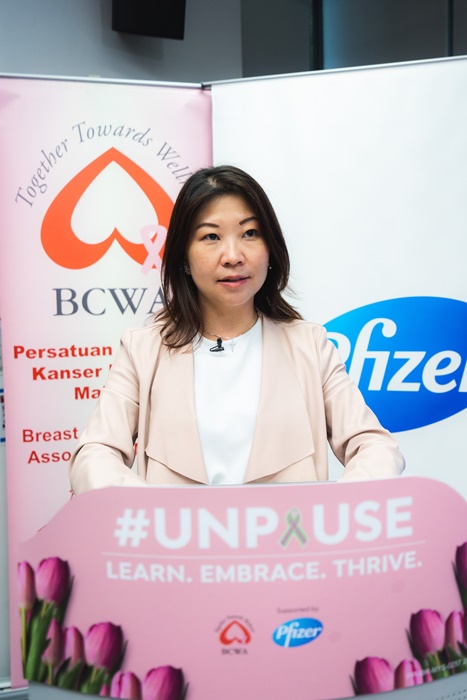
“The costs associated with cancer care can have a tremendous financial impact on patients and their families. People living with mBC carry additional financial burden because of the unpredictable and ongoing nature of their disease. Pfizer is committed to supporting mBC patients throughout their treatment journey, including financial needs,” said Ms. Janice Yong, Vaccines & Oncology Category Lead, Pfizer Malaysia.
“In 2019, we launched the EMBRACE program to put effective treatment in the hands of those who need it so that patients can live their lives to the fullest. The program has been a great success, as we have aided 400 mBC patients to gain access to innovative medical treatment.” added Ms. Janice Yong.
A united effort: Leading change for all those touched by metastatic breast cancer
There is an unyielding consensus among healthcare professionals, patients, the advocacy community, and Pfizer that women living with metastatic breast cancer should be part of the mainstream breast cancer dialogue and receive the support and information they need.
Change will not happen overnight, but with the commitment of multiple parties, we will amplify the voice of mBC patients under a united, common approach:
- Patients and caregivers – voice questions and concerns allowing themselves to play an active role in conversation with their healthcare providers and ensure their needs are addressed. Share their experience with others to increase the understanding of mBC
- Physicians, oncologists, healthcare providers – empower patients and caregivers to engage more actively in disease management, treatment decisions, and generate more productive discussions
- Media, patient groups, and the pharmaceutical industry – unite around the common goal of increasing societal knowledge of mBC and the unique needs of patients
“As a healthcare practitioner, I implore my peers and colleagues to encourage their patients to talk to their doctors about their condition and treatment options. One of the most effective ways to feel in control of your diagnosis is to get involved with choosing your treatment that best reflects your personal needs, wishes, and values,” concluded Dr. Malwinder.