






You’ve been trying to conceive for months — or years — but the test still comes out negative. Questions from parents, relatives, and friends only add to the pressure. Many people share this problem, and this is not just an assumption. World Health Organization (WHO) reports that approximately 48 million couples and 186 million individuals live with infertility globally.
Worry not. There’s still hope for couples who dream of having a baby. You may be familiar with Western fertility therapies like in vitro fertilisation. Nowadays, more and more doctors have been working together with Traditional Chinese medicine (TCM) physicians to help resolve infertility problems. If you feel stuck in the loop or know someone who is trying to conceive, read on to learn more about fertility treatment options that may be worth trying.
Is It Impossible to Get Pregnant If You’re Infertile?

First of all, you need to be aware of what infertility means. Both sexes can suffer the condition, yet women are often blamed for it. In actuality, infertility is defined as trying to conceive for more than a year without success. So there is still a solution to help you and your partner get pregnant.
There is no definitive cause of infertility, though several factors might contribute to the condition. In women, it can be a result of disorders in the fallopian tubes, uterus, ovaries or endocrine system (hormone-making system of glands). Whereas in males, the absence or low levels of semen or abnormal shape and movement of the sperm are thought to be the causes.
All Things Health Malaysia, a health & wellness content hub based on TCM wisdom, shares that disruption in the qi (vital energy) and blood circulation can lead to infertility. Any disturbance to these fundamental substances will result in poor reproductive functions. The good thing is that you can revitalise your qi and blood as a way to increase your chance of pregnancy.
Trying to Conceive with Medical Treatments

Couples usually seek consultation with a fertility doctor after 9-12 months of trying to conceive. But you are encouraged to visit sooner if you’re over 35 years old. Generally, there are three types of fertility treatment:
Medicines
Drugs like Clomid and injectable hormones are prescribed for men or women. The goals are to increase low sperm count in men and trigger ovulation in women.
Surgery
Surgery can repair blocked fallopian tubes, remove abnormalities in the womb and treat a hormonal disorder called polycystic ovary syndrome (PCOS). Infertile men may need surgery to correct the blocked epididymal (a tube that stores and transports sperm) and retrieve sperm.
Assisted Reproductive Technology (ART)
Couples who have tried treatments and are still unable to conceive will resort to this procedure. There are two kinds of ART:
- Intrauterine insemination (IUI), where the sperm is inserted into the womb. It has a lower rate of success.
- In vitro fertilisation (IVF), an egg is fertilised by sperm outside the body. It has a high rate of success, but it is largely unavailable, inaccessible and expensive.
How TCM Helps with IVF
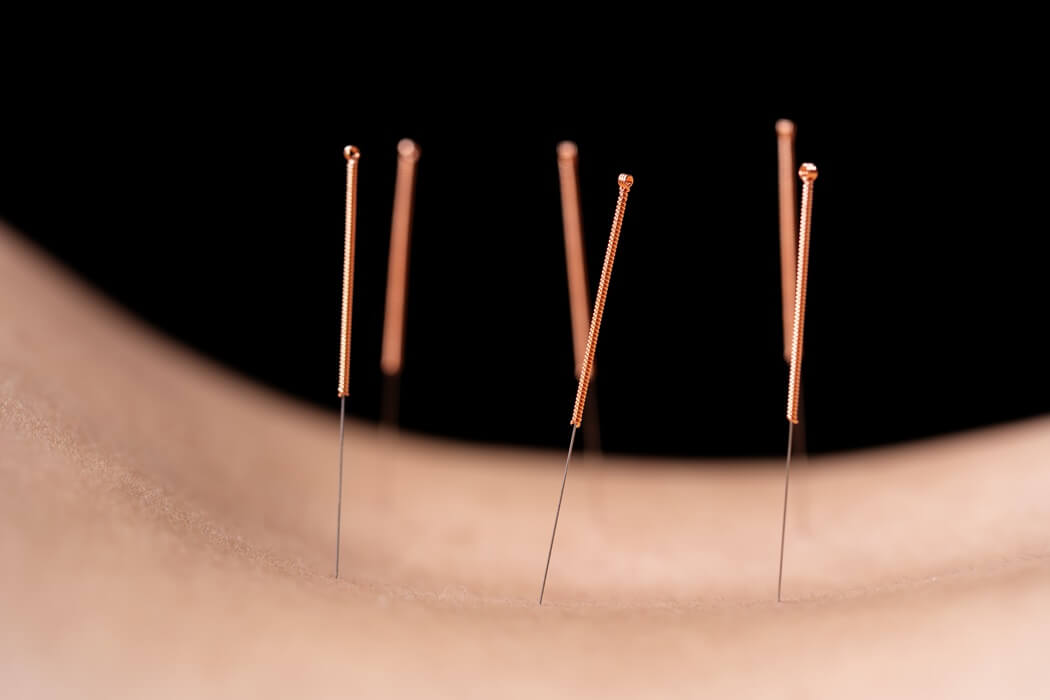
With the hefty price tag of fertility treatments, many couples are looking for ways to further increase their odds of getting pregnant. In 2007, a group of researchers found that acupuncture improved pregnancy rates and live birth among women who underwent IVF. Another study in 2015 also found that the effect of acupuncture was more effective if paired with Chinese herbal medicine, dietary and lifestyle recommendations.
Physician Zhong Xi Ming from Eu Yan Sang TCM Clinic, Singapore, explains that TCM herbs and acupuncture can enhance follicles and create a good uterine lining environment. To her patients, she suggests relaxing activities to support the harmonious flows of qi and blood. This is important because they can influence the blood circulation in the ovary and uterus.
When it comes to IVF, acupuncture is a good complementary treatment. A 2018 study concluded that acupuncture could restore fertility by improving sperm quality, ovary function and balancing the endocrine system and hormones.
Aside from acupuncture, cordyceps is also a popular TCM ingredient to treat infertility. In multiple studies on animals, its component, cordycepin, is proven to help enhance semen production, sperm quality and testosterone levels. In addition, a recent study tested 10 TCM formulae commonly used to treat infertility. Si Wu Tang, a herbal soup for treating blood deficiency, was reported to have the highest efficacy.
If you face difficulties trying to conceive, remember that it should be a discussion between you and your partner only. Be open with all fertility treatments recommended by your care provider. The sooner you seek help, the better your chance of becoming a parent. To help prepare for your entrance into parenthood, All Things Health Malaysia provides informative articles, ranging from pregnancy to overall health and wellness.