





“Mama, can we keep it pleaseeeee?”
If you’re a Malaysian parent of a school-aged child, chances are you’ve heard this plea at least once (or even a hundred times) every time they encountered a cute puppy or when the “cat distribution system” decides they are the chosen one. Regardless of what animal is in question, at a certain age, most kids develop the desire for a pet that becomes an absolute obsession. Suddenly, they are the most compassionate animal lovers, saviours of the strays… And, as loving parents, we naturally want to say yes.
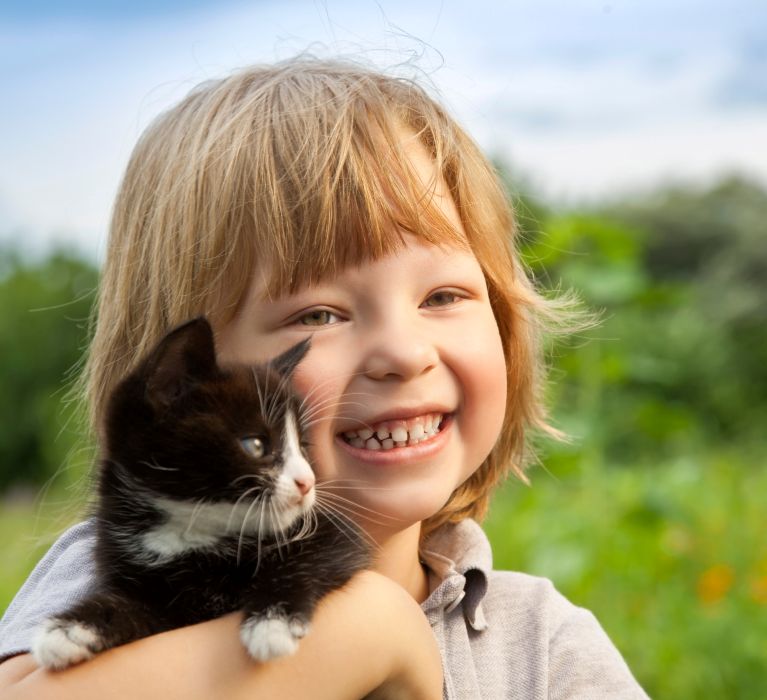
But, before you give them the green light, here are the important questions worth asking: Is your family truly ready for a pet? Are your children prepared to carry a new responsibility on their shoulders, or is this just another case of serious FOMO?
Before making the big decision, here’s what every family should think about.
Can a Pet Do Your Child Any Good?
It might surprise some parents, but pets do more than just keep children entertained; they can also support mental and emotional health. Studies have shown that regular interaction with animals, especially through simple acts like petting or feeding, can help lower stress and anxiety levels in children. The rhythmic motion of stroking a pet or the comfort of having a non-judgmental companion can be emotionally soothing.
Closer to home, a 2021 Malaysian study by Shafie et al., conducted during the COVID-19 Movement Control Order (MCO), surveyed 448 participants and found that pet owners, particularly cat owners, reported significantly higher levels of coping self-efficacy, positive emotions, and psychological well-being compared to those without pets. The findings suggest that pets can offer real emotional support during stressful times, not just for adults but potentially for children as well.
If your child is feeling overwhelmed, anxious, or struggling to express emotions, a pet could become a powerful source of calm, comfort, and companionship.
Is Your Child Ready, Or Just Curious?
At around 6 to 10 years old, children become more aware of the world around them. They might have friends with pets or watch YouTube channels full of adorable animals. But wanting a pet and being ready for one are two very different things.
Ask yourself:
- Can my child follow instructions consistently?
- Do they help with small chores at home?
- Do they show empathy and kindness towards animals?
Start small. Let them care for a low-maintenance “starter pet” like a guppy or a Betta fish. If they can handle regular feeding and tank cleaning, it’s a sign they’re ready to take on more.
How Much Time Can Your Family Realistically Commit?
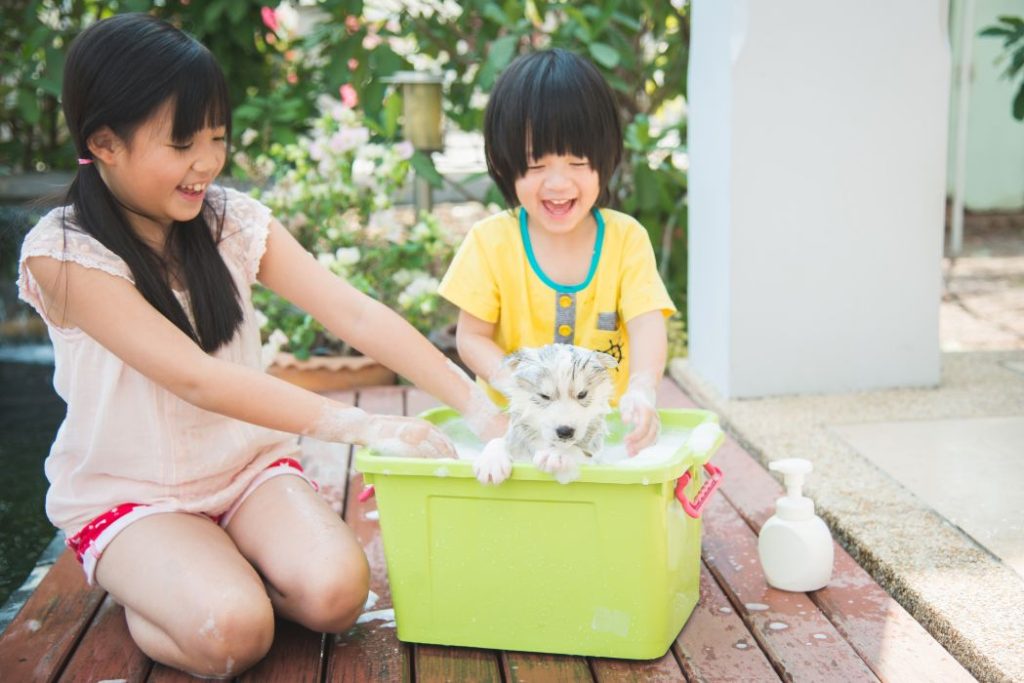
Some pets, like dogs and cats, require daily care, attention, and interaction. Others, like turtles or rabbits, are more independent but still need regular feeding, cleaning, and affection.
If both parents are working long hours and weekends are packed with tuition, grocery runs, and family commitments, it may not be the right time to get a high-maintenance pet. It’s not just about the child; the entire family needs to be involved.
Remember, a pet is not a part-time project; it’s a long-term commitment that spans years.
Consider Your Living Situation
In Malaysia’s urban areas, many families live in condos, apartments, or linked terrace houses, spaces that may not be suitable for larger, high-energy pets. But that doesn’t mean pet ownership is off the table. With the right choice, many animals can thrive in smaller homes.

Cats, small dogs, rabbits, turtles, and even fish can all be great companions in compact spaces, as long as their basic needs are met. Just remember to check your building’s pet policies, ensure proper hygiene, and create a safe, comfortable environment; even a small pet still needs care, space, and commitment.
Allergies & Cleanliness: What to Watch Out For
Before getting a pet, it’s important to check if your child has any allergies to fur, dander, or pet saliva. Common signs include sneezing, itchy eyes, coughing, or skin rashes. To be safe, spend time around animals first: at a friend’s house or a pet café, and observe your child’s reactions. If you’re unsure, a quick visit to the paediatrician or an allergy test can provide clarity.
Cleanliness is another big factor, especially in homes with young children. Pets can shed, bring in dirt, and need regular grooming and hygiene upkeep. Daily cleaning of cages, litter areas, and floors helps keep allergens and smells under control. Creating pet-free zones, such as bedrooms, can also help maintain a healthier environment for the entire family.
In the end, it all comes down to decisions, decisions, decisions and in making the right one, it is also important to always opt for adoption. Teach your children that true pet lovers care for animals of any breed. Sure, strays might not always have the polished looks of pedigrees, but even the most ‘broken’ Oyen can blossom into a healthy, adorable companion in the right hands.