




How often do you or your children suffer from an annoying runny nose, sneezing, watery eyes, or hives on the skin? You may think that it’s just the common cold, which shares many similar symptoms; however, what goes unnoticed most of the time is the underlying allergy.
In Malaysia, 4 in 5 Malaysian children are at risk of developing allergies when both parents have a pre-existing allergy1.
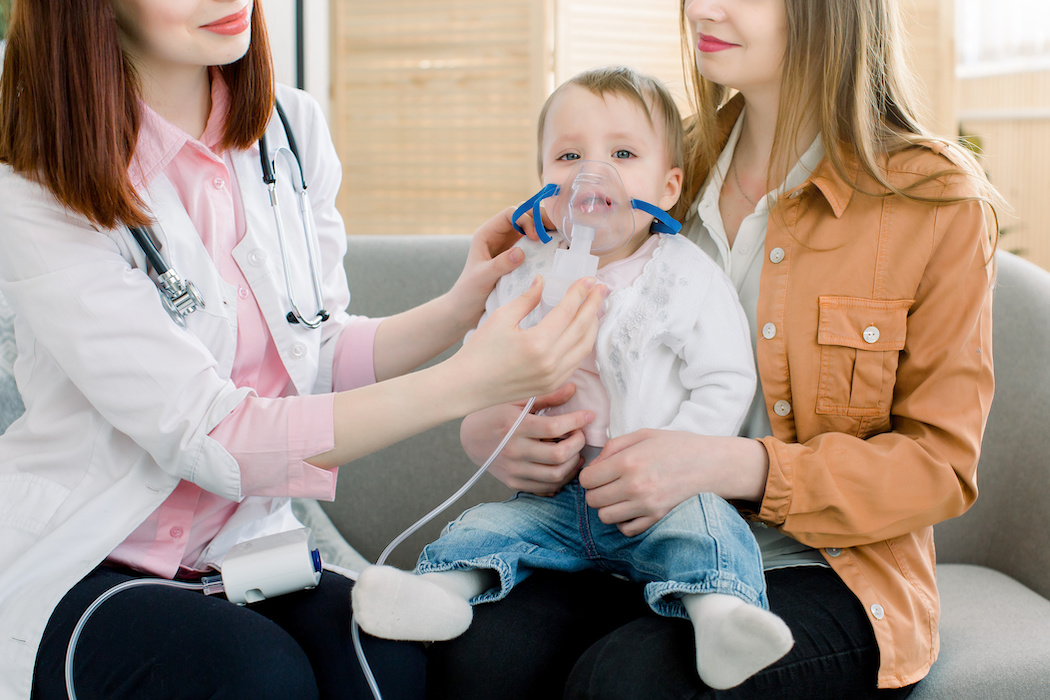
An allergy is a disorder of the immune system whereby the body overreacts to the allergen (substance causing the allergy). “When we talk about allergy we talk about eczema, food allergy, allergic rhinitis and allergic asthma. In children, asthma tends to be due to some form of allergy and of course it’s mainly going to be environmental allergens, be it indoors or outdoors. Here in Malaysia, it’s mainly indoor allergens,” says Dr Amir Hamzah Abdul Latiff, Clinical Immunologist / Allergist and Paediatrician.
Indoor Wellness
Indoor wellness is an area that is often overlooked especially when it comes to allergy-related diseases. In recent years, we have seen an increase of indoor pollutants due to the use of synthetic building materials, furnishing, personal care products, pesticides and household cleaning products2.
Some of the most dangerous indoor air pollutants include:
- Tabacco smoke – from cigarettes.
- Formaldehyde – from furniture, paints, paneling, foam insulation and some cosmetic and personal products.
- Radioactive radon-222 gas – from radioactive decay of uranium, phosphate, granite and shale
- Very small particles– such as pollen, pet dander, dust mites etc.
These pollutants predominantly affect women and young children. They are the ones who are most likely to succumb to indoor air pollution-related health conditions.
A study on the relationship between indoor air pollutant levels and children with skin irritation also found that visible mould on walls, use of artificial air fresheners, presence of indoor pets and indoor plants, wall coatings and ventilation type are environmental factors that contribute to indoor air pollution levels.
Did you know?
70% of Malaysian parents said that their children spend an average of 8-20 hours indoors daily.*
With the COVID-19 pandemic still at bay, most of us are spending a majority of our time indoors, hence it’s important to take the necessary steps to improve our overall indoor air wellness at home.
Preventing Allergies at Home
 The best way forward in allergy prevention is avoiding the antigen.More often than not, a change of lifestyle can help avoid common allergic attacks.
While most allergies are a nuisance and can affect our children’s quality of life, they are generally pretty mild. However, as parents, we must always be alert and monitor symptoms as there is also the more severe life-threatening allergic reaction that can involve the whole body.
Here are some steps that we can take to improve overall indoor wellness to reduce the presence of environmental allergens in our home:
- Vacuum your entire home at least once a week, or daily if you have pets at home.
- Swap chemical cleaners for milder disinfectants. Try to use homemade, natural alternatives such as vinegar, lemon juice and baking soda.
- Ventilate rooms daily by opening windows.
- Place some plants to increase oxygen levels such as snake plants, bamboo plants and golden pothos.
- Microscopic grease particles get trapped in the air. So mop the kitchen floor regularly and wipe your cooking utensils clean after each use.
- Wipe your toiletries dry frequently to prevent the growth of bacteria.
 While nobody knows why allergy happens in the first place, experts understand the mechanism and the intricacies of why the symptoms come about.
Start today by ensuring your home is clean and clear of pollutants and allergens. Should you and your spouse both have pre-existing allergies, remember to seek help and recommendations from a specialist.
For more information on allergies and indoor air wellness, visit www.allergymsai.org