




If Christmas used to feel magical but now feels loud, busy and a bit overwhelming, you’re not alone. More parents are starting to realise that the typical December chaos, such as crowded malls, flashy decorations, nonstop parties, late nights and sugar everywhere, can be too much for young children.
This year, families are leaning into a new approach called the Quiet Holiday. It focuses on slowing down, simplifying your calendar and giving kids and yourself a calmer, cosier Christmas.
Why Kids Get Overstimulated at Christmas
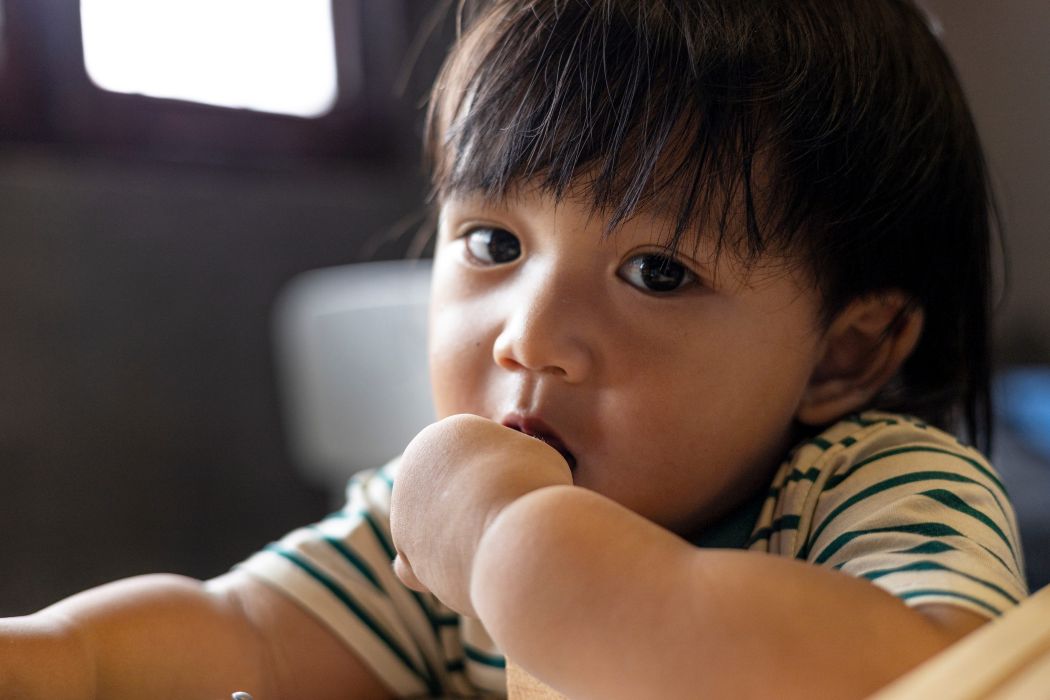
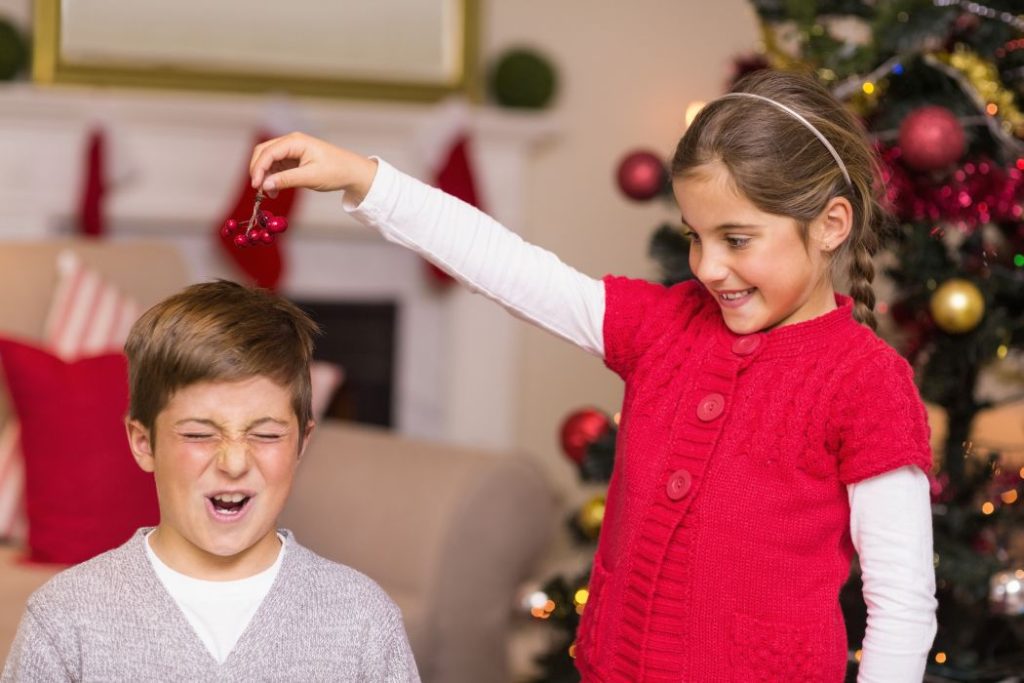
Between bright lights, loud music, unfamiliar relatives and disrupted routines, the holidays can overload a child’s senses. Toddlers and neurodivergent kids, especially, may feel overwhelmed much faster than adults realise.
Common signs include:
- More tantrums or clinginess
- Difficulty sleeping
- Wanting to go home early
- Emotional crashes after big events
It doesn’t mean they’re ungrateful or misbehaving. Their brains are simply working overtime.
What Exactly Is a Quiet Holiday?
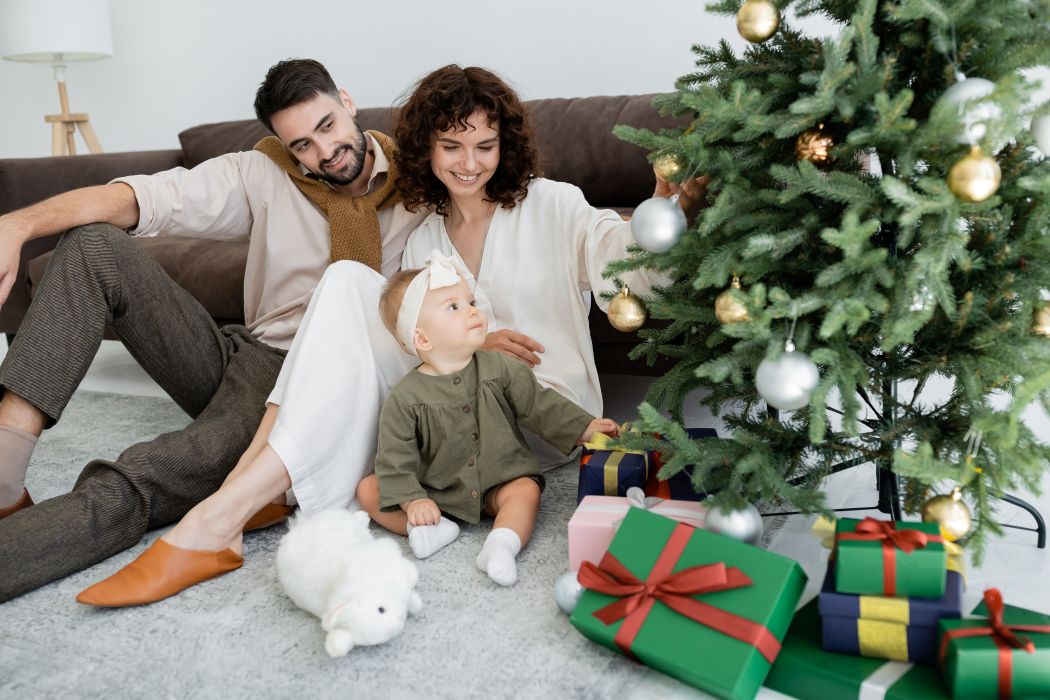
A Quiet Holiday is more of a conscious choice to remove pressure, slow the pace and create space for calm, meaningful moments. Think less Pinterest-perfect chaos, and more slow mornings with hot cocoa on the sofa.
This shift has grown as parents talk more openly about burnout, child-friendly routines and sensory needs. Many families, especially after the pandemic years, discovered they actually enjoyed slower living.
How to Create a Calmer Christmas at Home
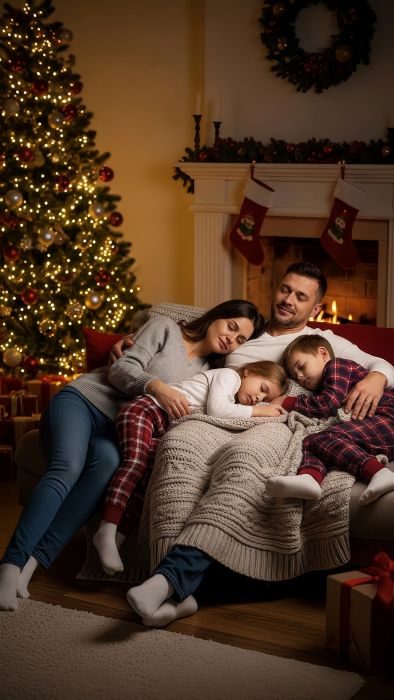 1. Start Small with Slow and Cosy Rituals
Simple, predictable routines help kids feel safe and grounded. Try:
- bedtime Christmas stories with warm, soft lighting
- evening hot chocolate or tea together
- morning stretches or a short family walk
- quiet afternoons doing puzzles or colouring
These do not need to be elaborate. They just need to be consistent.
2. Build a Low-Pressure December Calendar
Instead of cramming every party, show and mall event into December, choose one or two outings that truly matter. Leave rest days open so kids can reset.
And remember that saying no, thank you is a complete sentence when invitations do not match your family’s capacity.
3. Make Your Space Sensory Friendly
Holiday décor does not need to blink, sing or glitter to feel festive. A calm environment might include:
- warm fairy lights instead of bright, flashing ones
- muted colours or natural decorations
- soft instrumental Christmas music
- a cosy corner with pillows and blankets where kids can take a break
This helps prevent sensory overload before it begins.
Rethinking Christmas Gatherings
If your family typically moves between multiple homes or hosts large parties, a few small adjustments can make a significant difference for kids. Try:
shorter gatherings or earlier start times, a quiet zone at each part, letting kids take breaks whenever they need to, bringing familiar snacks or comfort items, and gently explaining your child’s needs to extended family.
A calmer child often means a more relaxed parent, which is a gift for everyone.
Low Stimulation Gift Ideas
Open-ended, calming gifts are trending because they help kids stay grounded and reduce overwhelm. Consider:
- wooden blocks or loose part toys
- puzzles or memory games
- books and quiet-time activity sets
- soft blankets, weighted plushies or comfort toys
- simple craft kits
- vouchers for a picnic, nature walk or family day out

A Quiet Holiday Helps Parents Too
Adults get overstimulated as well. A quieter holiday gives parents space to breathe, rest and enjoy the season instead of just surviving it. Simplifying meals, choosing fewer commitments or delegating tasks can lighten the mental load. At the end of the day, there is no one perfect way to celebrate. A Quiet Holiday is not about doing less.
It is about doing what truly matters to your family. Choose what feels right, let go of what doesn’t and create a Christmas that feels peaceful, intentional and joyful for both you and your kids.