






Dr Mohd Feizel Alsiddiq Mohd Fakharuddin, Consultant Paediatrician at Prince Court Medical Centre expands on the steps to take if your child tests positive for Covid-19
With the Covid-19 outbreak, children seem to be the smallest group affected by it and for those who are affected, they usually present mild or moderate symptoms. However, the effects can still be detrimental.
Here, Dr Mohd Faizel answers some of the burning questions that have been on a lot of parents’ minds when it comes to children and Covid-19.
Children seem to make up the smallest group affected by Covid-19 – is there an explanation as to why this is so?
While it is not confirmed, there are several theories to this pattern. The first is because children have very limited social contact so in that sense, they are less exposed.
The second theory is that the Covid-19 virus binds to this particular cellular receptor known as ACE-2 (Angiotensin converting enzyme II). In children, not many ACE-2 receptors have developed in their body yet compared to adults – making them less susceptible to Covid-19 infections and even if they were infected, it would be less severe.
Lastly, young children receive scheduled vaccinations and tend to fall sick quite frequently with various minor viral infections, which means their immune system is constantly activated and can fight off infections easier.

In a lot of cases, children who tested positive present mild to moderate symptoms. What exactly are these symptoms and how would parents be able to differentiate between those to that of a normal illness?
Unfortunately, it is very difficult to differentiate between a normal respiratory illness and Covid-19. A lot of Covid-19 cases will have similar symptoms of fever, cough, runny noses, sore throats and in a few cases, some will experience body aches, diarrhea, and vomiting, which can be mistaken as a stomach flu.
Based on studies from the outbreak in China, an overwhelming majority of Covid-19 children would have had close family contact with a Covid-19 positive adult patient. Hence, the way to tell is through thorough history taking whereby anyone who had been in contact with the child is listed down and if one of them has tested positive, there may be a possibility that the child has Covid-19.
If a parent suspects their child is positive – what would the next step be?
There are two ways to go about it. If there is a remote possibility that this child has been in contact with someone who has tested positive for Covid-19 and the child displays symptoms of a respiratory illness – they can go do a testing either at a public hospital or private hospital.
However, public hospitals will only run the nasal and throat swab test, which are for free, if there is a history of contact or if the child is severely ill. Private hospitals, on the other hand, will require payment, but will run the same test as long as you display symptoms regardless of history of contact. There are a number of private hospitals that have drive-through tests as well, which will take one to two days to be completed.
Children can get tested either at a public hospital or private hospital.
Do bear in mind that when taking your child to the hospital, both of you should be wearing masks. Make sure hands are washed properly before entering the premises.
Many hospitals now have seats set far apart to help with social distancing. Still, keep your stay at the hospital as short as possible and once the test is done, leave, and wash your hands thoroughly once more. When you arrive home, both you and your child should take a shower.

If my child tests positive – what are the next steps to take?
Under the government’s mandate, regardless of where the test was performed, the Ministry of Health has to be informed if an individual tests positive. An ambulance will then be sent to the individual’s house and the patient is to be admitted to a Covid-19 designated government hospital.
As of now, only certain government hospitals can administer treatment for Covid-19 cases. The patient will then be treated and isolated, and the rest of the patient’s family will have to undergo screening.
One caregiver has to accompany the child during hospital admission.
In the case of children, one caregiver has to accompany the child during the child’s hospital admission. This means that they will stay in the isolation room with their child. During this period, if the caregiver has not tested positive, they need to wear a mask, wash their hands frequently, and limit physical contact with the child as best as they possibly can.
However, it is important to note that 90 percent of the time, children who have tested positive have been shown to have contracted the virus from his or her parents. Therefore, the adult and child will usually be treated and isolated in the same room.
Admission may last five to seven days and discharge is only possible if the nasal swab comes back as negative twice.

During the MCO period, caregivers will still have to make grocery runs and have contact with the outside world. What are some precautions parents can take to ensure their child does not contract Covid-19?
Firstly, make sure you only travel for essentials. Secondly, try to limit the duration of the outing and thirdly, practise social distancing. Even in a supermarket, make sure you wear your mask and keep a distance from the rest of the buyers. Once you are done, wash your hands and go home. After arriving home, quickly wash your hands and take a shower before you touch your child.
At home, try to limit physical contact with family members such as hugging and facial kissing. If you are sick, isolate yourself and quickly get checked. It is best to exercise precaution as there are many people who are asymptomatic – meaning they carry the virus but do not show symptoms.
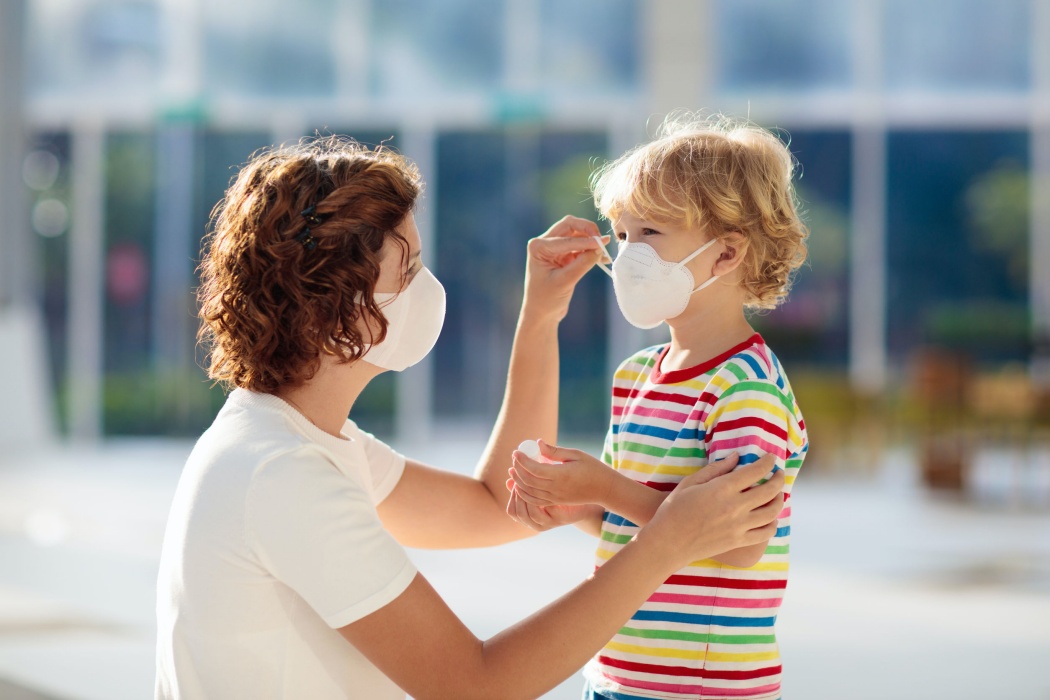
How can parents explain the situation to their kids so that they understand the importance of practising good hygiene and social distancing?
For toddlers and those older, use simple language. You can tell them that at the moment, there is a flu going on in our community. Using the term “flu” will help them digest the information easier as they would probably have had the flu in the past.
Use Simple Language
Using the term “flu” will help them digest the information easier as they would probably have had the flu in the past
Then, explain to them that a lot of people in our country are going through a very contagious infection at the moment and it can spread easily. Do assure them that even if they do get it, a majority of children do not display severe symptoms.
However, stress to them that for those older than them, especially their grandparents, getting this infection can lead to them falling very ill. So, it requires them to tweak their behaviour at home a little such as washing their hands regularly and reducing direct physical contact with their family members.
If they are sick, gently tell them not to get too close to others. There are also illustrations and pictures online, which you can use to help with your explanation.