




With most of us spending time indoors these days, you might think that you and your family are safer from all the outdoor pollutants such as cigarette smoke, diesel exhaust, smoke from vehicles and bacteria and viruses that may linger around.
But according to the United States Environmental Protection Agency, in recent years, scientific evidence has indicated that air within our homes and other buildings can be more polluted than the outdoor air in even the largest and industrialised cities.
Indoor pollutants have been on a rise due to the use of synthetic building materials, furnishing, personal care products, pesticides and household cleaning products, all of which may bring negative side effects to our family’s health.
Many of us don’t realise the seriousness of prolonged exposure to indoor air pollution and how it can lead to long-term side effects especially in children who are much more sensitive to chemicals and allergens in the air.
These allergens, viruses, bacteria and toxic compounds in our home may lead to illnesses such as:
- Sinusitis
- Bronchitis
- Pneumonia
- Headaches
- Blurred vission
- Nose/mouth/ throat irritations
Did you know?
Walls are the biggest surface for germs at home.
As parents, you can change that!
You and your family can have better indoor wellness, just by changing a few things around the house. Here are 7 easy steps to take.
Choose coatings for the walls that are easy to clean
Walls can harbour bacteria and viruses on top of dust and mould.
This can be dangerous especially when our children love touching the walls during play or when learning to walk.
Infact, 80% of parents agree that their children touch the walls during play, while 88% of mothers overlook the walls as being the biggest surface for germs*.
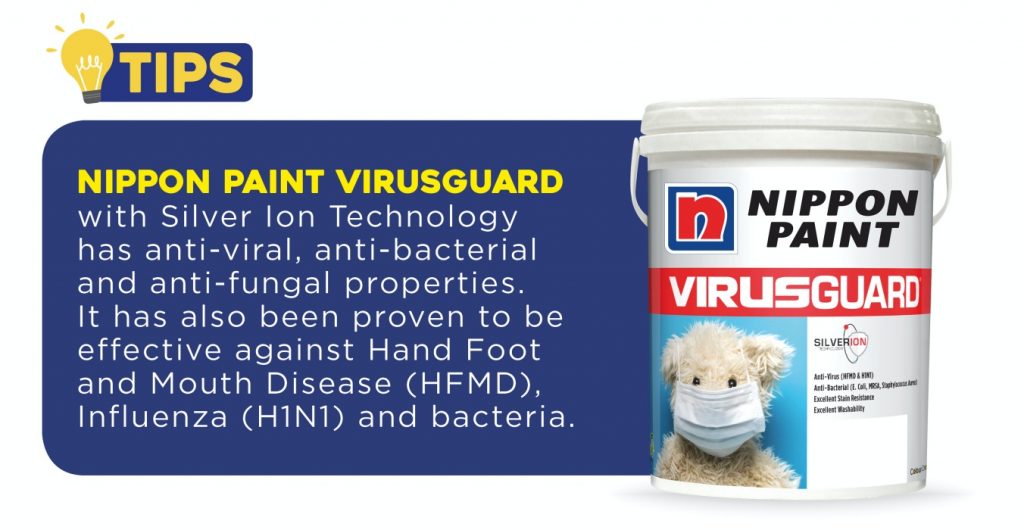
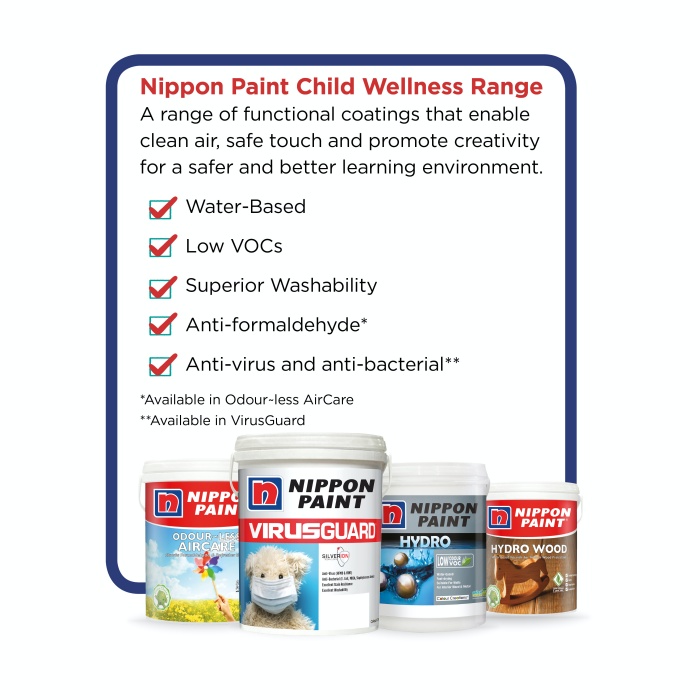
Besides choosing a coating that is easy to clean, certain coatings have ingredients that make them anti-virus and anti-bacteria, which are also non-toxic, making it perfect for homes with young children.
Bring plants into your home
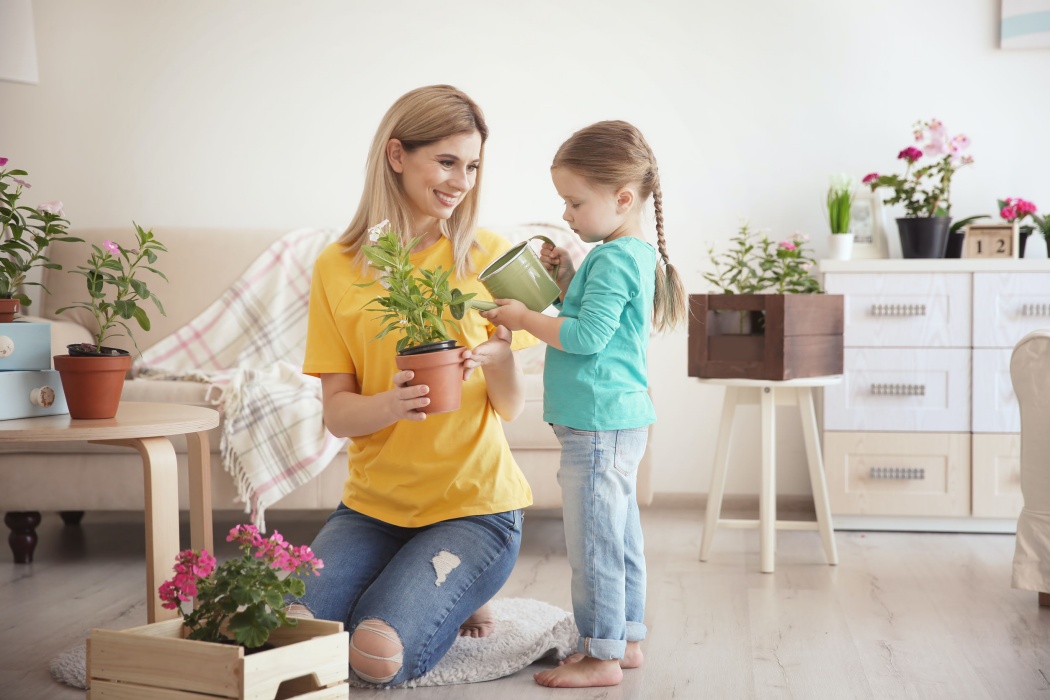
Don’t just have plants outside your home, adding some indoor plants around your house can improve air quality.
One famous NASA experiment, published in 1989, found that indoor plants can scrub the air of common cancer-causing volatile organic compounds like formaldehyde and benzene.
Later on, soil microorganisms in potted plants were also found to play a part in cleaning indoor air.
Some plants that are known to be effective in increasing oxygen levels in the air include:
- Snake plant
- Bamboo plant
- Golden Pothos
- Spider plant
- Dracaena
Vacuum from top to bottom
It is best to vacuum your home and storage area at least once a week to ensure a clean indoor space.
Vacuum every surface from top to bottom including your walls and ceiling fan to ensure your home is dust free.
For air conditioners, clean the air filter to get rid of dust and other trapped dirt in order to keep the air circulating in your home as clean as possible.
Mopping right after vacuuming will help to remove residual dust and dirt.
Cover your toothbrushes
If you flush the toilet without covering the lid, notice how close your toothbrushes are to the toilet bowl.
Can you imagine the amount of germs and bacteria splashing out every time you flush?
Make sure to cover your toothbrush or store it in a proper place to prevent the transfer and growth of germs and bacteria and to change your toothbrush once every three months or once the bristles start to fray.
Check your cleaning products
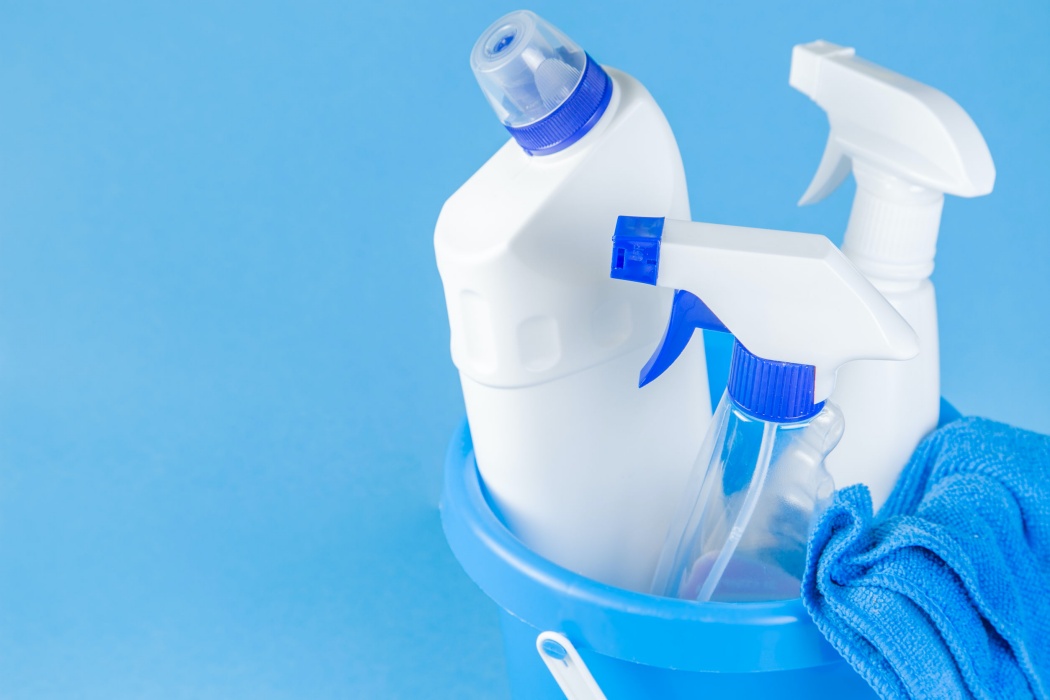
Check the label of your cleaning products, as a lot of them may contain VOCs that can irritate the airway, cause allergic reaction and headaches.
When in doubt, turn to natural cleaning remedies such as baking soda for scrubbing and a mix of vinegar and water to clean glass.
When cleaning, do ensure that your windows and doors are open to increase ventilation.
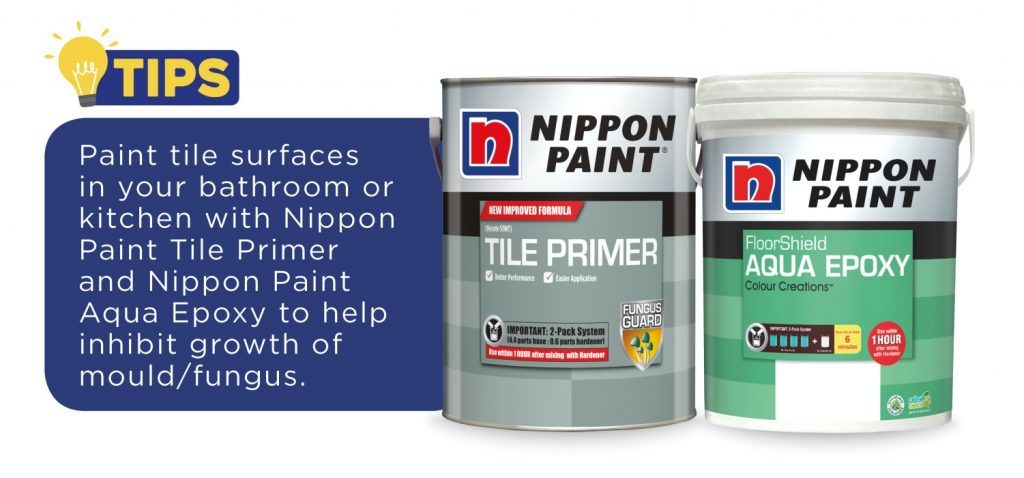
Paint with mould-resistant and non-toxic coatings
For places that are humid or need to be cleaned regularly, paint tiles or walls with mould-resistant and non-toxic coatings that are washable.
Places such as the bathroom and the backsplash area of your stove and kitchen sink are spaces that need to be cleaned frequently, hence a durable paint that can withstand multiple washes works best.
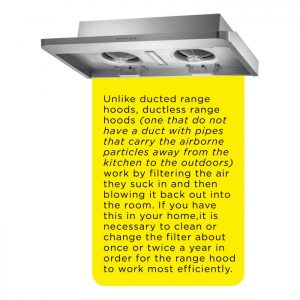
Use exhaust fan or range hood to vent out pollutants
An exhaust fan or range hood will help to move out indoor air pollutants such as carbon monoxide, nitrogen dioxide and water vapour out of the kitchen.
A range hood also reduces the amount of moisture in the house, which keeps the air indoors healthier while also discouraging the growth of mould.
Good indoor wellness is part and parcel of achieving overall health and wellness.
By making these small changes in your home, you can do wonders in improving the indoor air quality for your entire family and especially your children.
For more information on indoor air wellness, visit www.nipponpaint.com.my/indoorwellness
*All survey findings are based on independent research