




It may be tempting to trash your healthy eating habits during pregnancy.
After all, you are going to get big no matter what you eat, right?
Not so fast.
Experts say that making nutrition mistakes during pregnancy not only robs your baby of crucial nutrients, it also sabotages your own short and long-term health.
Thus, you should make pregnancy an opportunity to improve your health.
Take care of yourself before pregnancy, or improve your eating habits as soon as you know you are pregnant.
Start by avoiding these pre-natal nutrition mistakes to give your baby the best start possible.
1. Not eating enough whole foods in their natural state
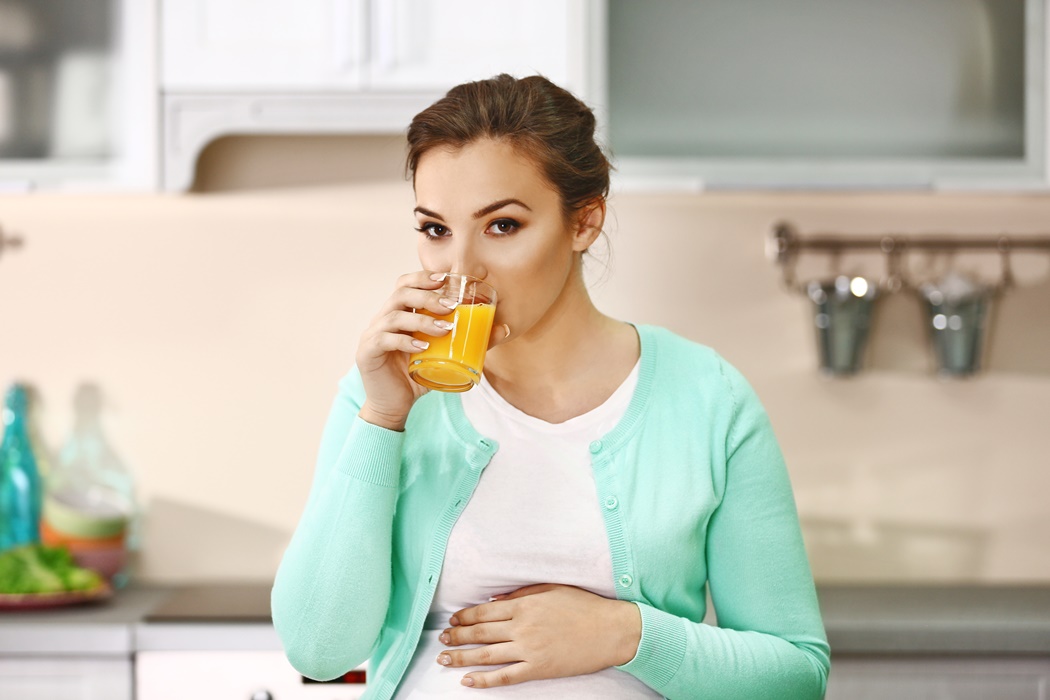
Pregnant mothers are recommended to consume fewer packaged and processed foods. They should eat more whole foods that are natural sources of essential nutrients, such as 100 per cent orange juice that provides folate, vitamin C and potassium.
2. Eating unsafe foods
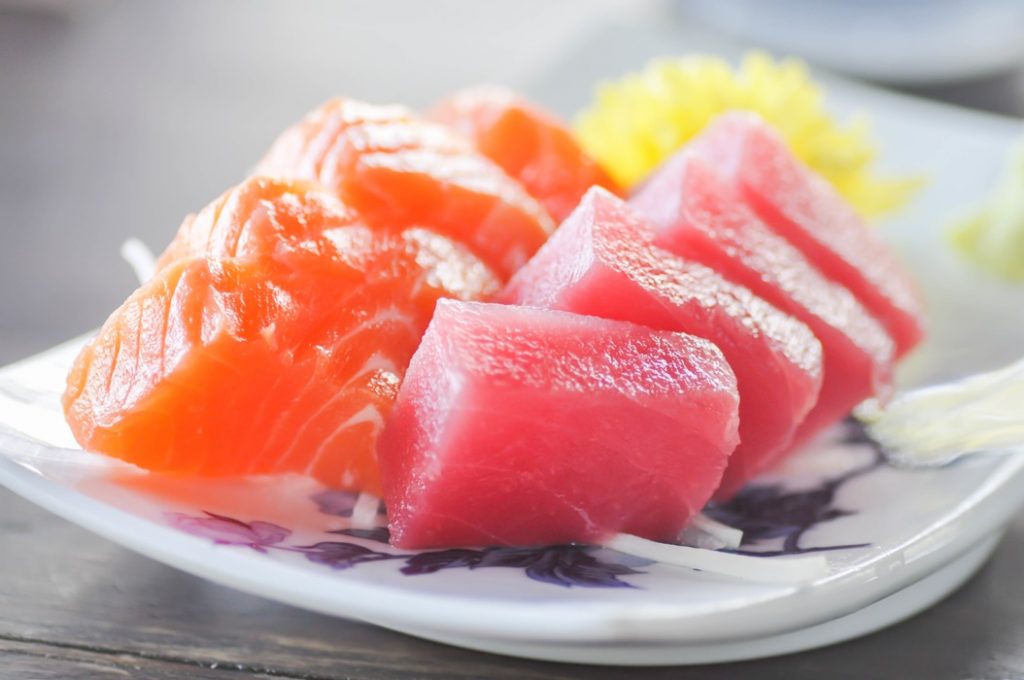
Raw fish (that means sushi) is better left alone during pregnancy, as it may contain pathogens that could harm your growing baby. So are mercury-laden swordfish, mackerel, tilefish and albacore tuna. Also avoid unpasteurised soft cheeses as well as deli meats, unless you heat them until steaming before eating.
3. Skipping breakfast
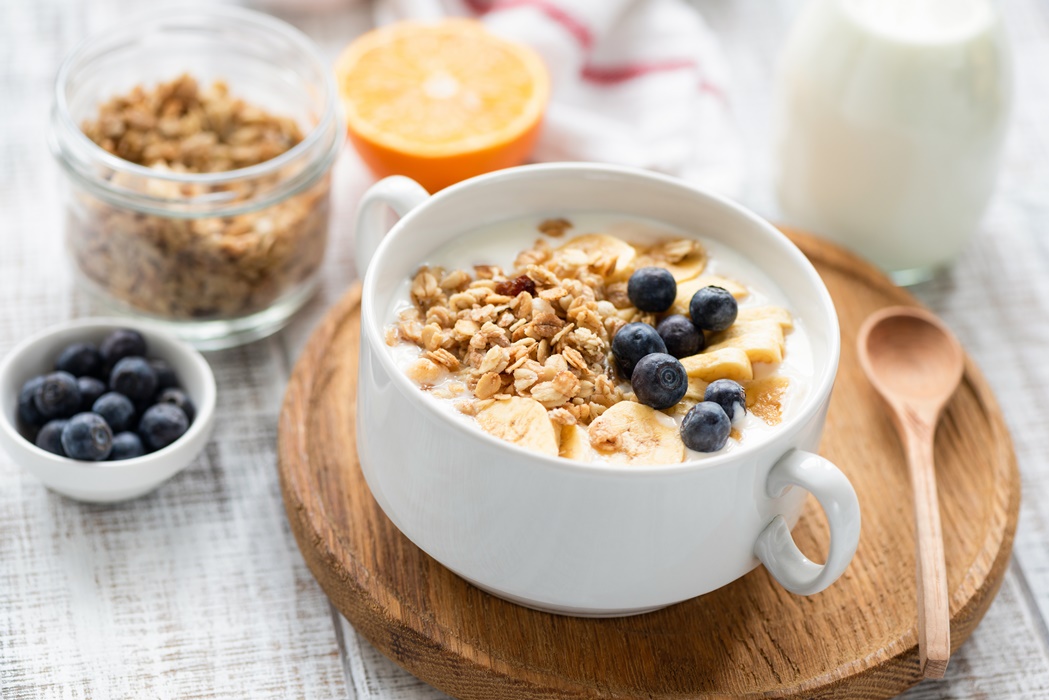
Bodily processes continue during sleep, so by the time you wake up, your nutrient stores are low and need to be replenished. Expectant mums are recommended to eat a breakfast containing lean protein, whole-grain carbohydrates, healthy fats, dairy and fruit.
4. Eating for two
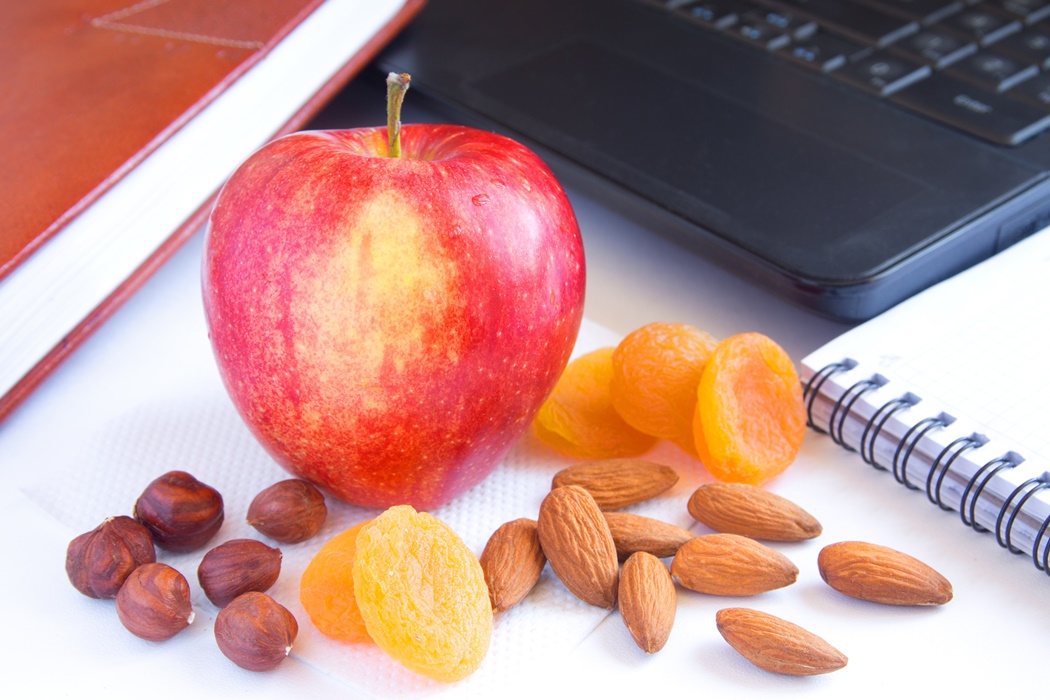
During pregnancy, the need for some nutrients doubles, but calorie needs increase very little. Actually, eating for two means extra weight gain, which can lead to gestational diabetes, a large baby, and a difficult delivery, not to mention having to get rid of all that extra weight later. Most expectant mothers need a maximum of only 300 extra calories a day during the second
and third trimesters. That translates to less food than you may think, so make it count — an ounce of almonds, 1⁄4 cup dried apricots and a piece of string cheese. Eat moderately!
5. Overly restricting calories

Dieting may deprive both you and your baby of important nutrients. If you gain a healthy 25 to 35 pounds during pregnancy, your body should naturally lose that weight after delivery. If you are underweight or overweight at the start of your pregnancy, you may need to gain more or less. Consult your doctor for diet guidelines during pregnancy.
6. Getting too much caffeine
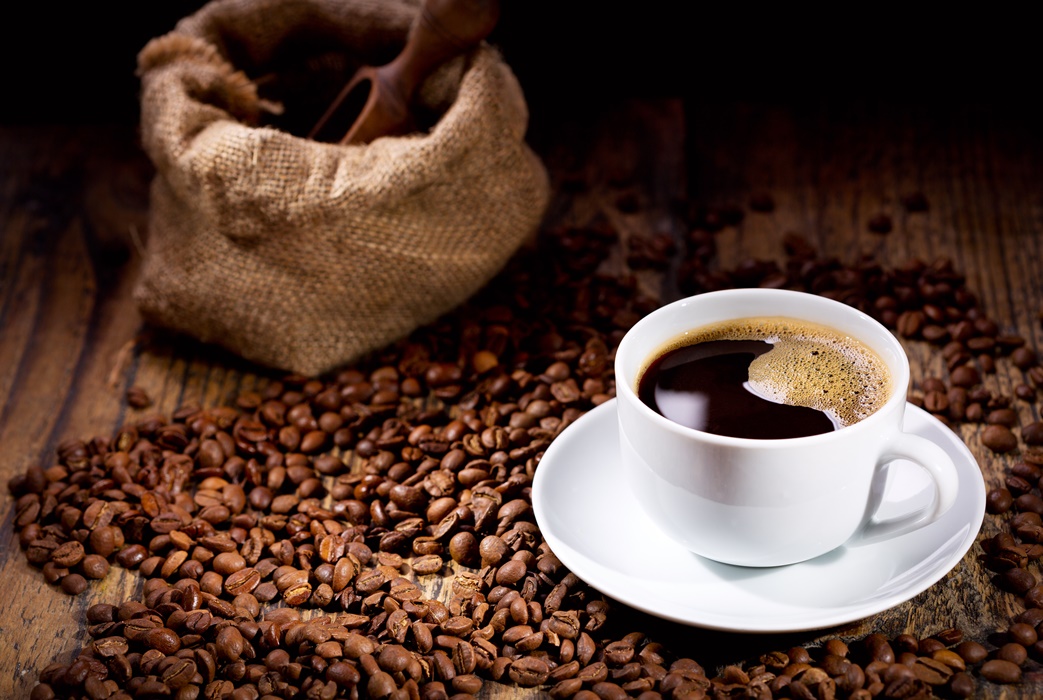
Caffeine can cross the placenta and it is difficult for the foetus to metabolise. Some studies have linked heavy caffeine consumption with miscarriage; however, some studies found that there is no association between intakes of up to 350mg of caffeine a day and miscarriage.
Moderate amounts of caffeine (less than 250 to 300 mg a day, or about two 8-ounce cups) shouldn’t be a problem. Caffeine also lurks in sodas and tea, so check the labels before you consume them.
7. Eating only three main meals a day
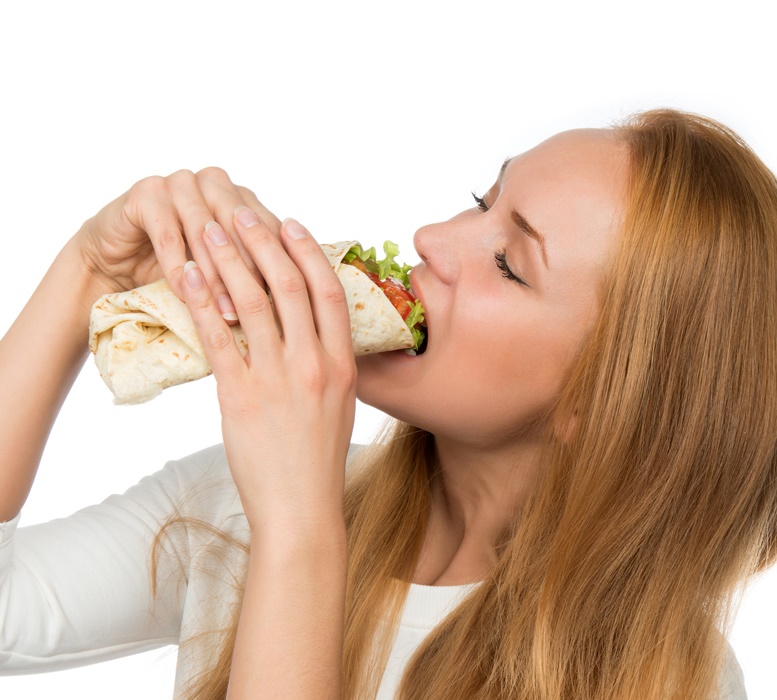
Smart snacking can alleviate many pregnancy problems, such as nausea, heartburn and cravings. Plus, eating healthy snacks between meals can make it easier to get the nutrient-dense foods you need. Fruit, vegetables, yoghurt, whole-grain crackers, low-fat cheese, nuts and sunflower seeds are some of the nutritious snacks good for pregnant mothers. A more constant flow of calories in proper portions also helps keep blood sugar levels in check, which is particularly important for expectant mothers with gestational diabetes. Instead of eating three heavy meals a day, spread your meals into five to six meals with a smaller portion each.
8. Relying too much on pre-natal vitamins
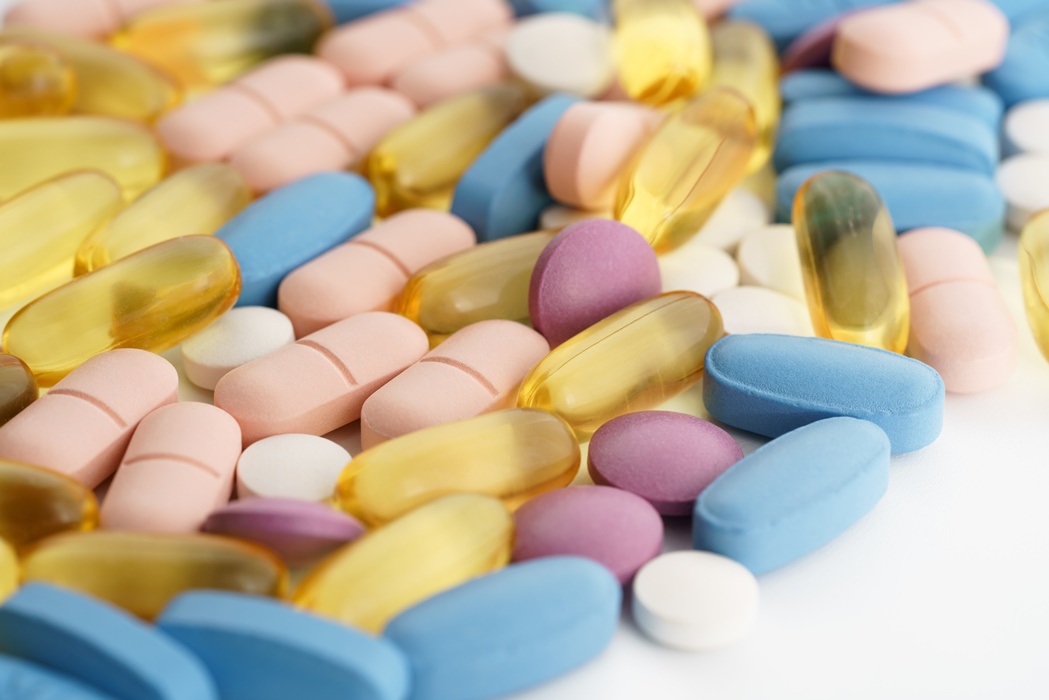
Even if you take your pre-natal vitamins constantly, you still need to eat right. All the good things from fish cannot be extracted or produced and be put into a pill. A pre-natal vitamin definitely helps, but many nutrients, especially phytochemicals (such aslycopene in tomatoes and anthocyanins in blueberries) are only found in food. Apart from taking pre-natal vitamins, expectant mums also need to consume well-balanced meals.
9. Satisfying your cravings with the wrong foods

Most expectant mums often satisfy their cravings with the wrong foods, such as junk food. Instead of loading up on empty calories such as sugary sodas, processed snacks and sweets, choose the most nutrient-rich snacks to satisfy your cravings.
Hankering for ice-cream? Have a bowl of frozen yoghurt instead. Want a slice of greasy, cheesy pizza? Try a few whole-grain crackers with low-fat cheddar cheese. When only the real thing will do, indulge your cravings occasionally — with proper portion sizes.
10. Going into weight-gain denial
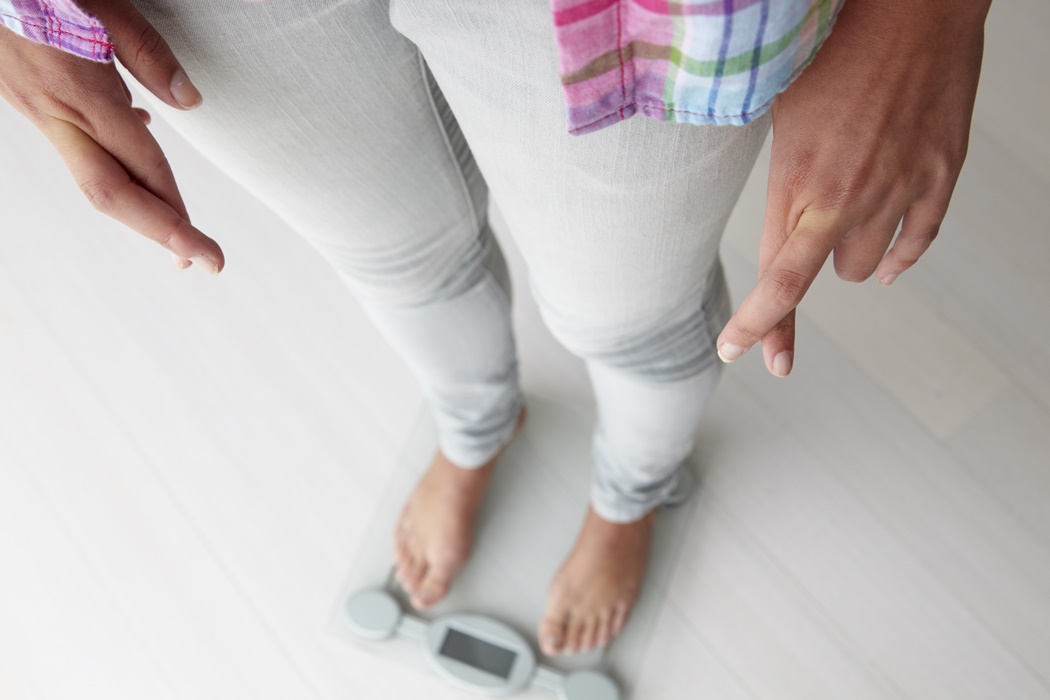
If you are gaining more weight than you should during pregnancy, don’t ignore it. Monitoring your weight will help you know if you are eating the right amount. If you gain too much, you can modify your food intake or activity level to get back on track.