




Dr Salehuddin Samsudin, Consultant Paediatrician, ParkCity Medical Centre
For parents of school-aged children, there is no easy answer to what comes next.
Some parents may feel the need to keep their children (relatively) safe at home while others will consider it imperative for children to get back to the normal routine.
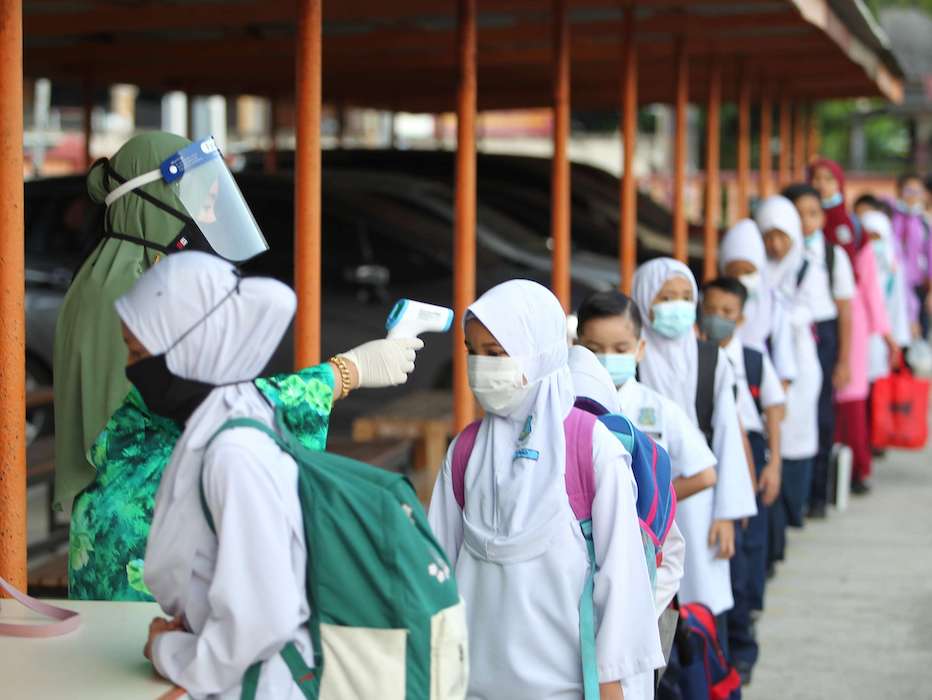
From next week (1 March) onwards, some of our children will have to return to school, with or without a vaccine. Understandably, many are looking forward to the rollout of the COVID-19 vaccine this year, causing many people to forget that the threat of flu (influenza) remains. This common infection can be deadly for some, and it is responsible for up to 650,000 respiratory deaths annually.[1]
In Malaysia, it is present year-round, and yet most Malaysians think of it as just a bad cold. Presently, only 2% of the Malaysian population are vaccinated against influenza, hence there is significant room for improvement.
As a healthcare practitioner, I hope to see an increase in flu vaccine uptake with the recent Budget 2021 tax exemption of up to RM1000 for vaccinations for personal use, as well as that of a spouse and children.[2]
Especially during the pandemic, flu vaccines are important. It remains the most effective way to prevent flu, and by doing so prevent the development of serious illness and complications which may require medical attention, not to mention eases the burden on our healthcare systems which are currently reaching its breaking point.
With no way of knowing when our school-aged children will be able to receive the COVID-19 vaccine, leaving them exposed to flu – for which vaccines are available, proven safe, and affordable – seems an unnecessary risk that would leave them and many other groups vulnerable.
In light of this, protecting children against the flu would be a valuable step in preparing them for their impending return to school, especially those who have underlying lung disease such as asthma (which is common in children). Furthermore, the WHO classifies children as a priority group for flu vaccinations due to their risk of severe illness.[3]
Protecting our children with flu vaccinations would not only reduce their risk of getting the flu; it would also help protect their schoolmates, teachers and of course their family members.
However, this does not mean that only high-risk groups are vulnerable. The flu virus can affect even healthy individuals, hence protecting our children with flu vaccinations would not only reduce their risk of getting the flu; it would also help protect their schoolmates, teachers and of course their family members.
Let’s face it. The reality is that we will need to live in this “new normal” for some time to come. I urge parents to take the necessary action of getting the annual flu vaccination.
As we continue to instill in our children constant vigilance against COVID-19 and the importance of diligently practising all the recommended SOPs, let us also remember that all these preventive efforts are a collective responsibility by all Malaysians.
While we look forward to better days and a flattened curve when we can enjoy greater freedoms, the battle is far from over. While we welcome the new vaccine that will protect us against COVID-19, we must remember to make use of every form of defence we already have, especially flu vaccines, to safeguard the health of our nation’s children.
References:
[1] WHO Factsheet: Influenza (Seasonal) https://www.who.int/news-room/fact-sheets/detail/influenza-(seasonal)
[2] Budget 2021: Tax relief on medical treatment raised, including for parents. The Star, 6 November 2020. https://www.thestar.com.my/news/nation/2020/11/06/budget-2021-tax-relief-on-medical-treatment-raised-including-for-parents
[3] WHO SAGE Seasonal Influenza Vaccination Recommendations during the COVID-19 Pandemic.
Main photo credit: Utusan Malaysia