





As a stay-at-home working mum, I know how it’s like to juggle your life around house chores, work, and raising your children. You’re lucky if you have help from your husband, your mum, or your in-law. Sadly, not all of us are lucky enough to have the help that we need.
As a mother of two primary level school-going children, I struggle to keep them occupied with their school works while balancing family time and work. As I’m writing this, the kids are screaming and yelling towards each other, there are dishes in the sink to be washed and the house is in a mess. Phew! I’m already tired just writing about this. Imagine going through this every single day during MCO! Yes, mummy, I feel you.
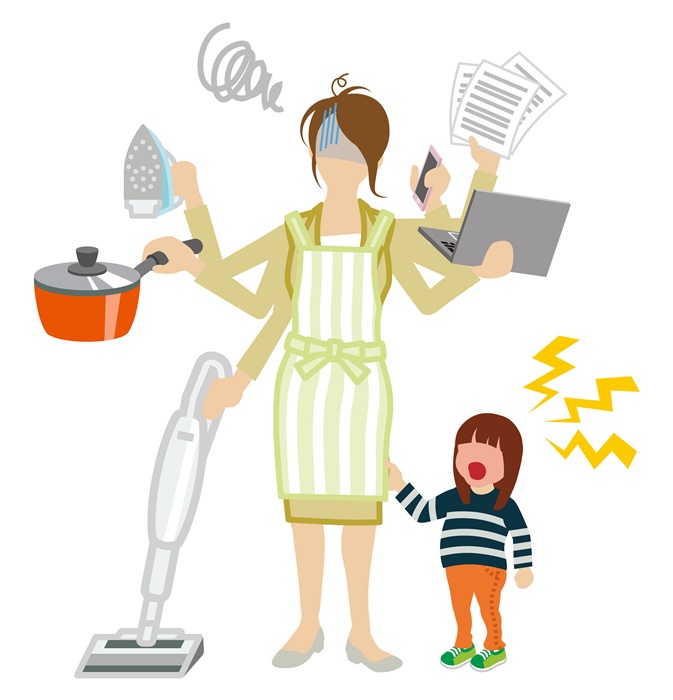
Of course, throwing a tantrum is a normal part of growing up for children as they learn to become more independent and want to gain control over their lives. They become frustrated when their needs are not met and are not sure about how to express their feelings. But as parents how can we deal with this problem?
I would like to share some of the basic guides I found from various sources on handling tantrums in kids.
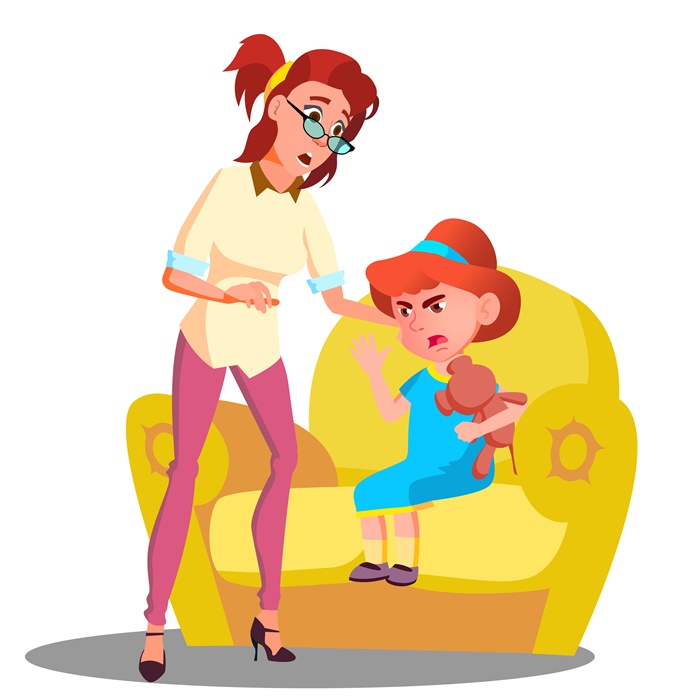
- STAY CALM– Whether you feel angry, disappointed, or losing your cool from your child’s screaming and yelling, try to stay as calm as possible. If you are not cool when responding to a tantrum, you might complicate the problem with your own frustration or anger. So, it’s better to remind yourself that your job is helping your child to be calm.

- DISTRACT THEM – Divert their attention to some other activities. This puts their mind off what they are upset about.

- GIVE POSITIVE ASSURANCE – Reward or praise them for positive behaviour.
- GIVE THEM SOME CONTROL– Allowing them to make their own choices for little things eg; “Do you want to brush your teeth before or after taking a bath?” or “Do you prefer to wear this yellow dress or white skirt?”. By doing so, you are not instructing them. Instead, you’re giving him or her an option to choose. This way, they will think that they are in control of what they want and they’ll feel good about it.
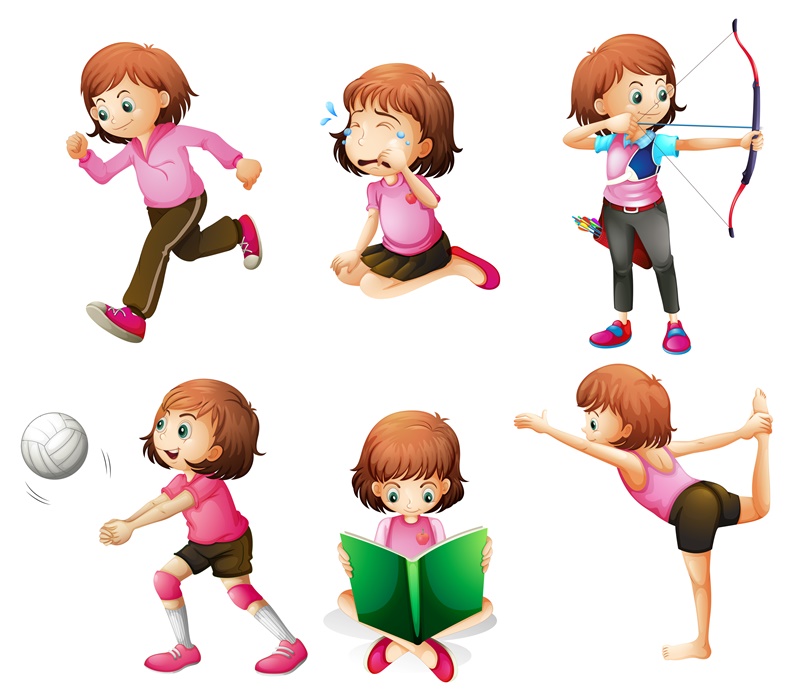
- CREATE SIMPLE GAMES OR ACTIVITIES– Since they are not going to school except for learning online, parents can create other activities such as fun family games eg; board games, traditional games, scribble, colouring, etc to keep them occupied.
- HELP KIDS LEARN NEW SKILLS– Be it dance, music, singing, or involving them in your daily exercise regime, spend some time with them doing things together. Kids pick things up very fast when they’re young- their brain is like a sponge. Find out what they’re interested in and help them learn that new skill.
- SLEEP WELL– As a general guide, children need at least 10 to 12 hours depending on their age. According to Sleepfoundation.org every child is slightly different in terms of how much sleep they need, but most require the following to be fully rested:
Newborns (0-3 months)
Recommended: 14-17 hours
(Not less than 11 hours, not more than 19 hours)Infants (4-11 months)
Recommended: 12-15 hours
(Not less than 10 hours, not more than 18 hours)Toddlers (1-2 years)
Recommended: 11-14 hours
(Not less than 9 hours, not more than 16 hours)Preschoolers (3-5 years)
Recommended: 10-13 hours
(Not less than 8 hours, not more than 14 hours)School-aged Children (6-13 years)
Recommended: 9-11 hours
(Not less than 7 hours, not more than 12 hours)Teenagers (14-17 years)
Recommended: 8-10 hours
(Not less than 7 hours, not more than 11 hours)
Being homebound for weeks can be torturous for children who are naturally gregarious, active and enjoy outdoor activities. In fact, prolonged restriction on movements can have an emotional impact on children, particularly preschoolers and those at the primary-school level – Psychologist Prof Datin Dr Mariani Md Nor.