





“When a girl reaches the age of 14, her TianGui (menstrual blood) arrives, her RenMai (Conception Vessel) is open, and her ChongMai (Penetrating Vessel) is flourishing. Her monthly menstruation come regularly, thus she is capable of conceiving.” — Huangdi Neijing, Suwen, Chapter on Ancient Theories of Heavenly Truths.
By Ms. Hu Kee Yie, TCM Practitioner, Sunway TCM Centre
This ancient wisdom describes the significant transformation that young girls undergo during puberty, typically around the age of 14, they will experience their first menstrual cycle, known as menarche.
While this is a natural and expected development, various menstrual disorders can arise, causing distress and affecting daily life. In clinical, we commonly see four types of disorders:
1. Menstrual Cramp (Dysmenorrhea)
Experiencing some discomfort during menstruation is normal. For mild to moderate pain, warm compression on the lower abdomen and anti-inflammatory medications like ibuprofen can help alleviate discomfort. It is recommended to avoid consuming raw and cold foods or drinks before and during menstruation, as they may worsen cramping.
However, severe menstrual cramp that may extends to the lower back or thighs, or even causes vomiting and interferes with daily activities, may indicate dysmenorrhea—a condition requiring medical attention.
In some cases, dysmenorrhea may signal an underlying condition such as endometriosis or pelvic inflammatory disease, which necessitates further evaluation and management.
2. Heavy or Prolonged Menstrual Bleeding (Menorrhagia)
In clinical practice, we often inquire about the patient’s pad usage per day or changes in duration compared to their last few months’ menstruation to determine whether the menstrual flow is within the normal range or considered heavy.
Additionally, if menstruation extends beyond 7 days or is accompanied by persistent spotting or large blood clots, it may lead to anemia, fatigue, and a significant disruption of daily activities.
Menorrhagia can have various causes, ranging from hormonal imbalances to bleeding disorders or structural abnormalities within the uterus.
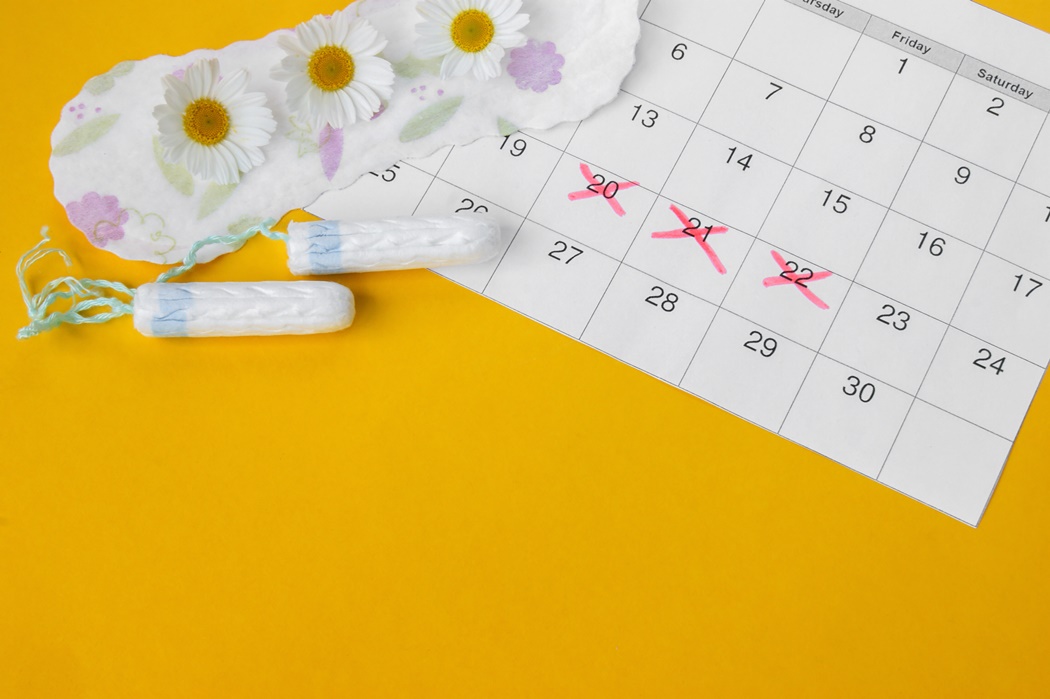
3. Infrequent Menstrual Cycles(Oligomenorrhea)
In textbooks and online resources, we learn that menstruation usually happens every 28 days, but some girls may stress over slight deviations from this schedule. Actually, factors like stress, environment, sleep, diet, and travel can all influence the cycles. It is normal for the length of the cycle to vary by up to 7 days, which falls within the usual range of fluctuation.
4. Not Started or Absence of Menstruation(Amenorrhea)
According to the Ministry of Health Malaysia, most girls usually start their periods around the age of 12. Primary amenorrhea means they have not started their menses by age 15 or 16, even though other signs of puberty, like breast development or pubic hair growth, have occurred.
Amenorrhea can happen for different reasons. Intense exercise, sudden changes in weight, stress, or hormonal imbalances can affect menses. If a girl suddenly stops having menses for more than three months and has been sexually active, missed menstruation may indicate that she is pregnant. Consult a doctor for advice.
How Traditional Chinese Medicine (TCM) Can Help?
TCM provides a holistic approach to manage menstrual disorders in adolescents, focusing on balancing Yin and Yang, regulating Qi and Blood, strengthening the Spleen and Kidney, and clearing heat and dampness. It also emphasizes prevention, promoting long-term health and well-being.
Treatments are tailored to the individual’s unique needs, addressing the root cause of menstrual disorders according to the patient’s body constitution and the four phases of the menstrual cycle: menstruation, the follicular phase, ovulation, and the luteal phase.
TCM Treatments
- Herbal Medicine; Practitioners prescribe herbal prescriptions after consulting with the patient and conducting a TCM diagnosis. By harmonizing hormones, balancing Qi, and alleviating symptoms, herbal medicine effectively and naturally manage menstrual disorders.
- Acupuncture; Fine needles will be inserted into acupoints on the body, triggering the release of endorphins to ease menstrual pain and reduce stress and anxiety, factors that can lead to irregular menses.
- Moxibustion; Moxa roll which made from dried mugwort, burned and placed near to the skin, in the area of acupoints, providing warmth therapy to stimulate the meridians. This method effectively strengthens the Spleen and Kidney Yang, especially beneficial for individuals with cold limbs.
- Acupressure; Using your thumb, gently apply pressure to specific points on the body and massage for 3-5 minutes each day or until you feel a slight soreness.
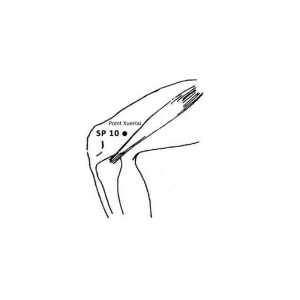
- Xue Hai (血海)
Location: On inner thigh, above the kneecap, roughly two inches away.
Benefit: Regulate menstruation by removing stasis of blood and regulate the blood.
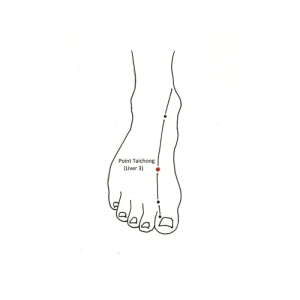
- Tai Chong (太冲)
Location: On the top of the foot, in the webbing between the first and second toes.
Benefit: Promote Qi circulation, relieve stress and alleviate menstrual pain.
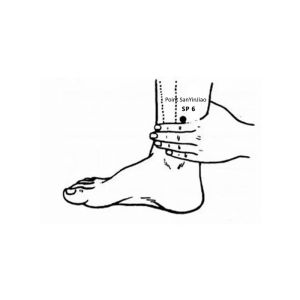
- San Yin Jiao (三阴交)
Location: Four fingers above the inner ankle behind the posterior edge of tibia.
Benefit: Strengthen the Spleen by restoring balance to the Yin and Blood.
Lifestyle Adjustments
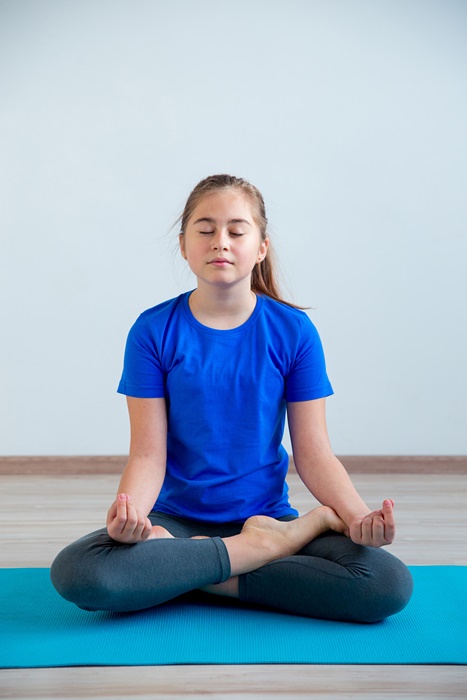
1. Stress Management
Adolescents frequently encounter stress and anxiety associated with menstrual disorders. Engaging in practices such as Ba Duan Jin, meditation, or footbath can promote relaxation and reduce stress levels.
2. Regular Exercise
Moderate physical activity can improve symptoms such as mood disturbance, fatigue, cognitive dysfunction, and bloating, particularly for individuals experiencing premenstrual syndrome (PMS) and primary dysmenorrhea.
3. Adequate Rest
Ensuring sufficient sleep and relaxation is crucial. Studies have shown that individuals with short sleep durations (≤ 5 hours) are at a two-fold higher risk of experiencing severe menstrual cycle irregularities compared to those with regular sleep durations.
4. Dietary Recommendation
Avoiding cold and raw foods before and during menstruation.
Herbal teas are recommended. Simply transfer the dried ingredients into a cup of hot water and simmer for 15 minutes.
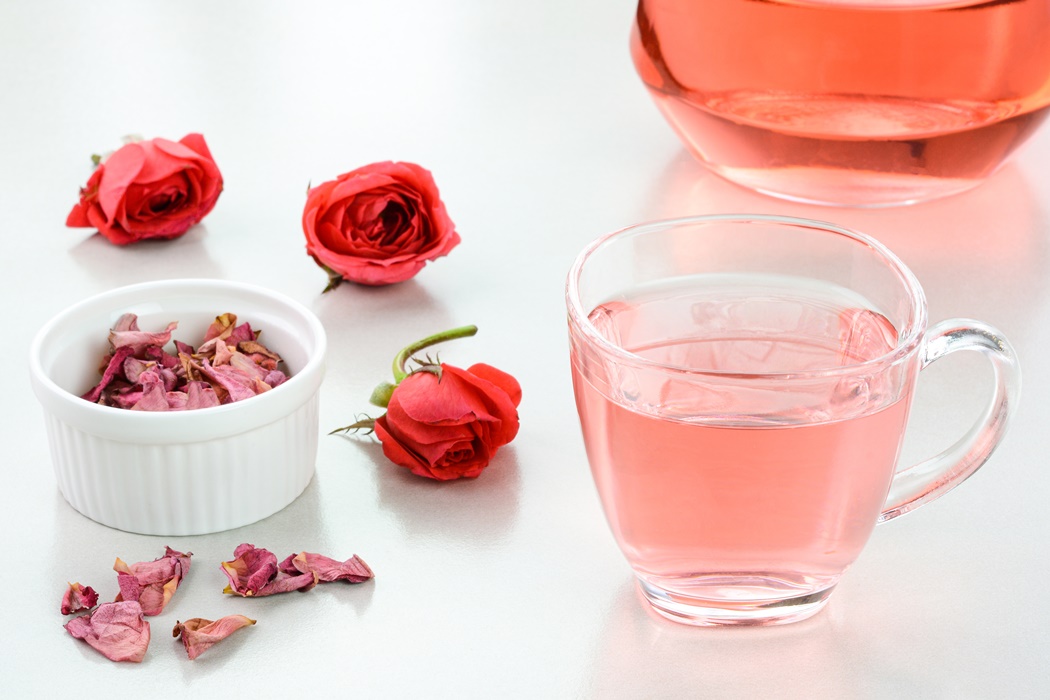
- Rose tea
Ingredients:
Dried roses (玫瑰) x 5 buds
YiMuCao (益母草) x 1g
Benefit: To help relieve menstrual pain and promote relaxing effect.
- Red date tea
Ingredients:
Red dates (红枣) x 2 pcs
Dried longans (桂圆) x 2 pcs
Benefit: To replenish Blood.
TCM provides a comprehensive approach to managing menstrual disorders in adolescents, aiming to restore balance and promote holistic health. Through the integration of TCM principles and practices, adolescents can experience relief from menstrual discomfort, regulate their cycles, alleviate symptoms of PMS, and enhance their overall quality of life.
As always, it is crucial to seek guidance from qualified practitioners and maintain open communication with healthcare providers to ensure the best outcomes.