







Ummu Nazra Nadzam, Clinical Psychologist, Ampang Puteri Specialist Hospital
When we talk about men’s health, conversations often focus on the physical aspect, such as heart disease, prostate issues, or fitness goals. Yet, an equally vital aspect often overlooked is mental health. Just like the body, the mind requires care, balance, and attention. Ignoring emotional distress can be as dangerous as neglecting a chronic illness, or sometimes, even worse.
In Malaysia, recent data shows a worrying trend. A 2021 study among working adults found that over one in four Malaysians (26.2%) experienced anxiety, 22.2% reported being stressed, and 17.9% showed signs of depression during the pandemic (Malaysian Journal of Psychiatry, 2022). Suicide cases have also risen from 981 in 2022 to 1,087 in 2023 (a 10% increase year-on-year!) (Galen Centre for Health and Social Policy, 2024). Yet, it is estimated that only 20% of Malaysians with mental health disorders seek professional help (Malaysian Journal of Medicine and Health Sciences, 2021).
These numbers remind us that mental health is as important as physical health, and that silence, stigma, stereotypes, and societal expectations often prevent men from reaching out for the support they need.
In 2021, over one in four Malaysians (26.2%) experienced anxiety, 22.2% reported being stressed, and 17.9% showed signs of depression during the pandemic. Suicide cases have also risen from 981 in 2022 to 1,087 in 2023 and only 20% of Malaysians with mental health disorders seek professional help.
Why Men’s Mental Health Matters
Across the globe, men are less likely than women to seek help for emotional or psychological problems. Social expectations, cultural norms, and the pressure to appear “strong” often stop men from speaking up. Unfortunately, this silence can lead to serious consequences such as relationship breakdowns, aggressive behaviours, substance abuse, and, in tragic cases, suicide.
According to the Ministry of Health Malaysia, mental health issues among men have been steadily rising, especially after the pandemic. Yet, many men still dismiss symptoms as “just stress” or “a phase”. Recognising that mental health is part of overall wellbeing is the first and most crucial step toward healing.
Mental health issues among men have been steadily rising, especially after the pandemic. Yet, many men still dismiss symptoms as “just stress” or “a phase.
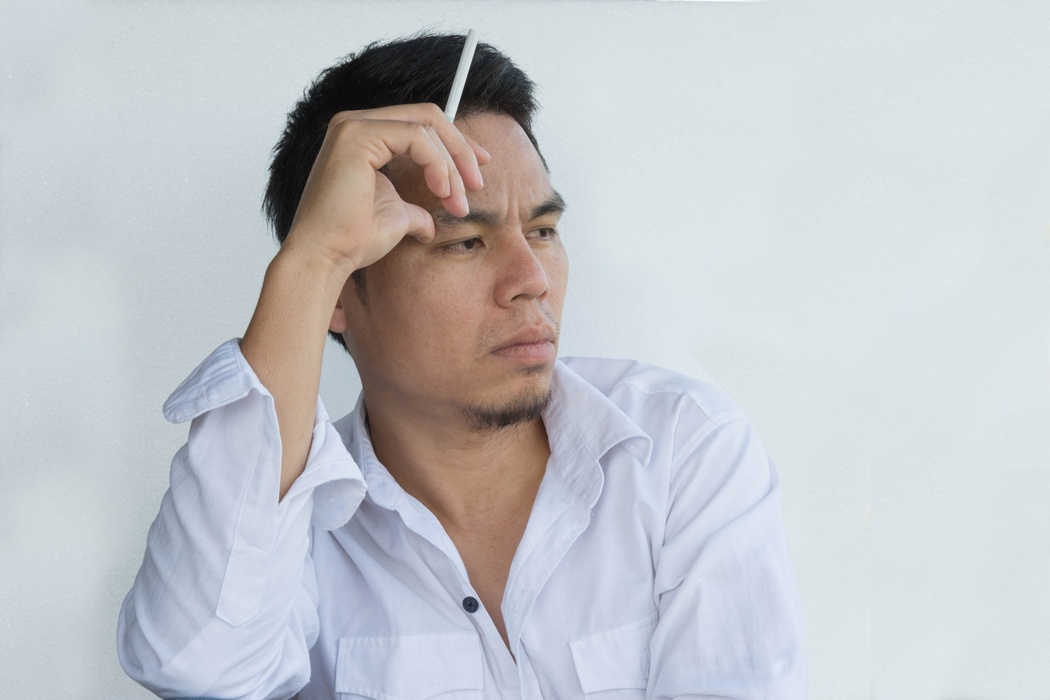
Warning Signs to Watch For!
Men often show emotional distress differently from women. Instead of expressing sadness openly, they may become withdrawn, irritable, or overly focused on work. These changes can easily be mistaken for stress or personality shifts, but they often signal deeper emotional struggles.
Signs of Depression
- Persistent fatigue or loss of interest in usual activities (sometimes, even after
getting rest) - Changes in appetite or sleep (too little or too much)
- Feelings of hopelessness, helplessness, guilt, or worthlessness
- Increased use of substances, vaping and smoking
- Difficulty concentrating or making decisions
Signs of Anxiety
- Constant restlessness or muscle tension
- Irritability or sudden anger outbursts
- Racing thoughts or inability to relax
- Physical symptoms such as sweating, headaches, or heart palpitations
Suicide Warning Signs
- Talking about being a burden or feeling worthless
- Withdrawing from loved ones or activities
- Giving away personal belongings or saying goodbye unexpectedly
- Expressing hopelessness (“There’s no point anymore”)

Internalising vs. Externalising Distress in Men
While women often internalise their struggles, like showing sadness, guilt, or anxiety, men are more likely to externalise their distress. This means their emotional pain may be expressed through behaviour rather than words. Internalising signs may include emotional numbness, withdrawal, disassociation or self-blame. Externalising signs may appear as irritability, risk-taking, substance use, or aggression.
These outward behaviours are sometimes misread as “anger issues” or “bad attitude,” when in reality, they may reflect unprocessed pain, shame, or exhaustion. Recognising both patterns helps us respond with empathy rather than judgment, and this will help create space for men to express what’s truly beneath the surface.
If you or someone you love shows these signs, don’t ignore them. Mental health conditions are treatable, and help is available.
How to Seek Help
Many men believe they must handle everything alone. This is not true. Seeking help is a sign of strength, not weakness. Talking to a trusted friend, family member, or mental health professional can make all the difference.
At Ampang Puteri Specialist Hospital, our Clinical Psychology services provide confidential and compassionate support for men dealing with stress, depression, anxiety, relationship issues, or trauma. Our team of psychologists and psychiatrists work collaboratively to offer assessment, therapy, and personalised treatment plans in a safe and non-judgmental environment.
If professional help feels daunting, community resources are also available:
- Talian HEAL 15555 – 24-hour mental health and emotional support
- Befrienders Kuala Lumpur (03-7627 2929) – Non-judgmental listening for anyone in distress
- Ministry of Health Mental Health Services – Counselling support via government clinics nationwide

Taking the First Step
Every man deserves to feel mentally strong and emotionally supported. Paying attention to your mental well-being is not a sign of weakness — it’s a form of self-respect and courage. It’s okay to say, “I’m not okay.” The right support can help you find balance again.
Remember: Healing starts with acknowledging what your body and mind are telling you.