



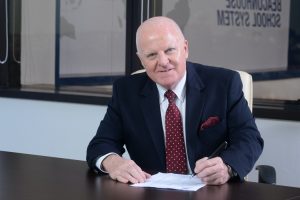
Alister Bartholomew, Regional Director, Beaconhouse Malaysia
As schools around the globe either struggle to continue educating their students through online means or scramble to develop SOP-compliant procedures to reopen schools, us as parents are equally concerned about the efficacy of our child’s digital education or safety when headed back to school.
Whatever the case may be, one thing is clear, education will not be the same.
To delve deeper into the ins and outs of education and safety in a post COVID-19 world, we asked Alister Bartholomew, Regional Director, Beaconhouse Malaysia a few questions on how COVID-19 has changed the education system as well as some potential solutions to education and safety post COVID-19.
How has COVID-19 changed the system / structure in education?
COVID-19 and the ensuing Movement Control Order (MCO) has been a major game changer when it comes to child education. It has impacted every aspect of the industry and put in to question the very way in which we educate our children.
COVID-19 and MCO has accelerated the digitization of education just as it has done in many other industries. It has forced education institutions the world over to relook at their teaching methods to refine them to better suit a more hands-off digital approach.
Many lessons especially those for younger students – where hands-on learning was prioritised, have radically changed to support the digital medium of teaching. And in fact, even post-MCO these methods which de-emphasise contact will have to be prioritised.
COVID-19 and the focus on digital teaching have also posed a variety of technical and logistical issues that many may not have foreseen. Whether it is ensuring access to laptops for teachers, network connectivity, standardising digital lesson plans, implementing digital management tools that will help coordinate lessons or simply ensuring access to stable Internet to conduct lessons.
COVID-19 has been a wake-up call for many to start investing in these facilities to ensure better preparedness should a similar situation happen in future.
But it isn’t just about investing in facilities; COVID-19 and the MCO proved that there is much we as an industry can do to invest in our educators as well. There is also a need in professional development and training to prepare them for an increasingly flexible and fluid teaching approach.
For too long, education in Malaysia has been in a relative comfort zone with teachers being used to rote learning techniques that they have routinely recycled from year to year. Many teachers, students as well as parents around the globe struggle to adapt to the new normal in these unprecedented times.
Here at Beaconhouse, we have always emphasised a holistic approach to education, actively encouraging our teachers to adopt new approaches to lessons whether it be through digital means or otherwise. I believe that this was one of the key factors in helping us provide a smooth transition for our students into the more digital education medium we currently find ourselves in.
COVID-19 has taught us to reimagine and revitalise our education system to have a long and lasting impact in how our students will learn as we shift towards the 21st century education.
How are schools coping with the pressing need to restructure school processes and education to accommodate students while complying with SOPs?
It is still a learning process for everyone, teachers, parents and especially our students. It’s definitely not easy as our students have been away from school for the last four months and have missed their friends dearly. It will be hard to contain their excitement. To be honest, we missed them too and we are eagerly waiting to have the other levels all back in school soon.
While focusing on the compliance with the government regulations, we had a different strategy in mind too and at Beaconhouse we analysed the situation and paid close attention on our student’s mental health and wellbeing in the planning process when we developed our back to school policies. We made sure we paired students up with their close friends when we had to split classes.
Another scenario was when we learnt from one of our surveys, that a small percentage of parents were not comfortable in sending their children back to school. We needed to quickly make changes to accommodate to this situation as it’s our priority that our students do not miss out and are still able to join their lessons virtually.
With 14 schools and students ranging from 2 years old to 17 years old, there were a virtually limitless number of variables that we needed to take into account. I understand that for many others in the industry things are very much still in a state of flux.
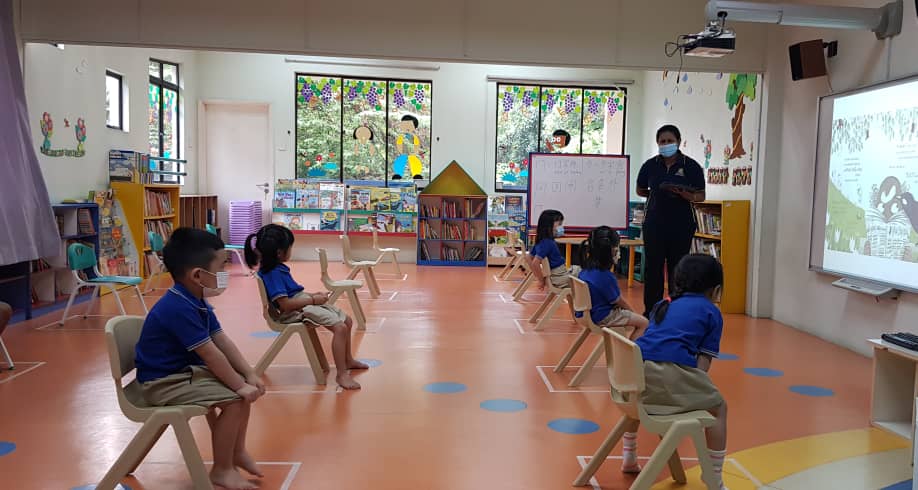
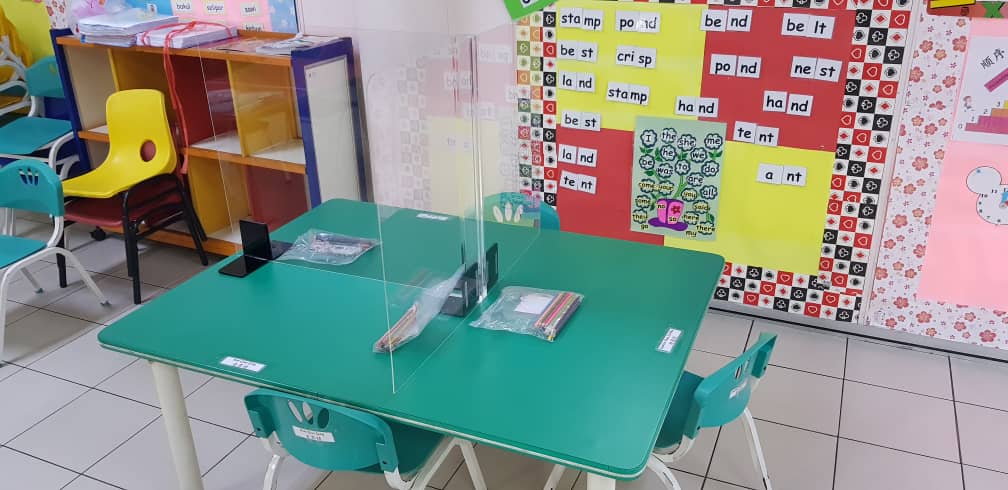
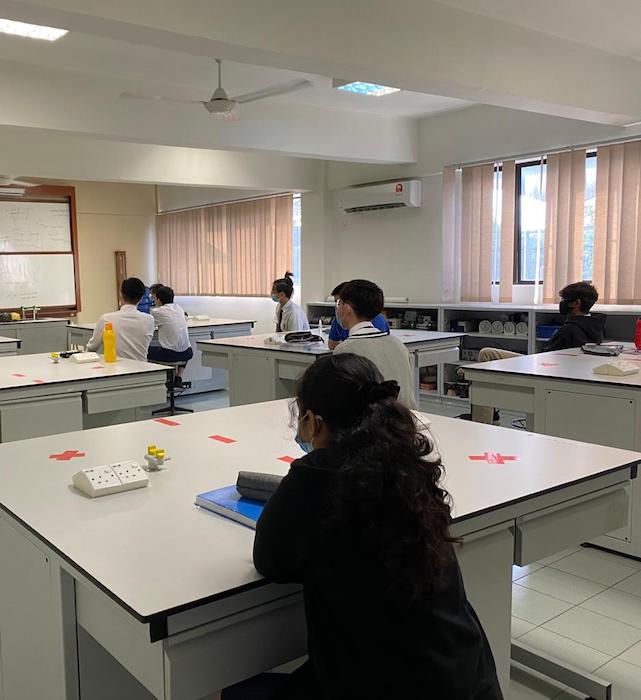
Some of the measures we are implementing are multiple temperature check-points at our schools, sanitisation stations at main areas and every entry and exit point, maintaining the necessary distance between students in class, implementing rotation schedules, packed lunches and mandatory wearing of masks for all within school compounds.
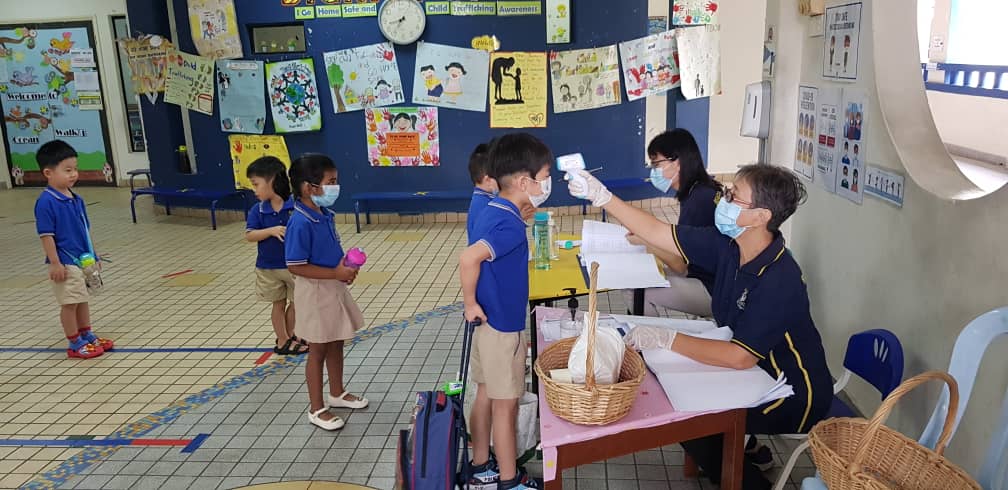
Our teachers will also be playing a vital role by constantly reminding students and leading by example, so that all SOPs are followed thoroughly by all students. We are also in constant communication with parents to inform them of our various SOPs and we are looking to them to play a supportive role in encouraging their children to abide by these rules.
Even still, we will have to remain vigilant when implementing these strategies. Much of it is dependant on individual responsibility and commitment to abiding by the SOPs and as such there is some room for errors.
This is where swift and decisive failsafe and back-up plans will come in to play. For the safety of the children, I hope that schools across the country are paying as much attention to this as they are to other aspects of reopening their academic institutions.
I do understand that it is an unprecedented situation and it is an immense task for many within the industry. However, I am certain that educators and administrators across the board are up to the challenge. While the methods may differ, I believe they will all take the necessary steps to safeguard the wellbeing and health of our children.
Do you think that online learning is effective across all age-groups?
Complete online learning is still a work in progress approach to education, not just for Beaconhouse or schools in Malaysia but for schools around the globe.
In current situations, accessibility and connectivity is still a question. Whether it is teachers having access to laptops or students having access to stable internet, much work still needs to be done for online learning to work for everyone.
But even if these issues get addressed, online learning still poses a challenge when it comes to younger students in particular. With their shorter attention spans and being used to more hands-on lessons, we have found that our younger students in particular struggled to adapt and focus to an online teaching approach.
Students have been conditioned to accept and process knowledge in a certain way and altering this very suddenly can have a substantially disruptive effect.
When it came to our younger students, we are thankful that we had the support of parents to ensure the children had access to devices, that they were engaged with their teachers and had guidance with their homework and projects that was shared with them.
This is why I believe a 100% online approach to learning is still not entirely practical, especially for younger students. There must be a gentler curve to a transition to online learning or better yet, a strategic combination of face-to-face teaching complemented by online lessons.
What are some of the challenges that schools are facing when it comes to implementing SOPs across all age-groups?
At the core of it, the issue that most schools across the board will face is compliance.
Schools can devise and implement all the strategies and SOPs they want but without complete compliance from every member of their school community – be it teachers, janitorial staff, students, parents or administrators, these plans will prove to be pointless.
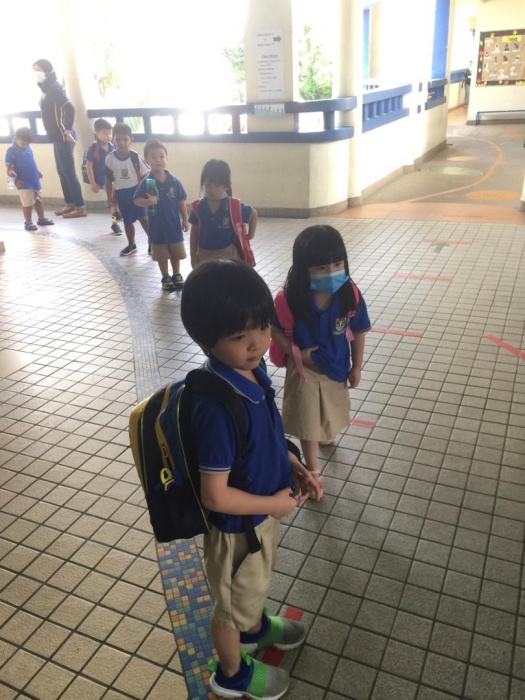
This compliance will especially be a challenge when it comes to younger students. They are more rambunctious, and this means they will be less likely to take the SOPs as seriously as they need to.
This is where teachers and parents will have to play an important role. From our end at Beaconhouse, we have been preparing for this by coaching our teachers on how to best convey the importance of following the SOPs to their students.
We have also encouraged all our teachers to lead by example, at that young and impressionable age, we believe more than anything our students will do what they see others doing.
On top of this, we are in constant communication with the parents to inform them of our SOPs and encourage them to remind their children on how important it is to abide by them.
Parents are worried especially when it comes to the younger children (preschoolers) as they might not follow the SOPs at all time (eg, touching things and then touching their mouth/nose and eyes), what’s your opinion on this?
This is a valid concern and parents have every right to be worried. We definitely recognise that this will be one of the most critical challenges to address in ensuring a safe environment for our young students.
This is why we will have to be extra vigilant when it comes to our younger students. Teachers and assistants have been informed to pay extra close attention to student interaction both in and outside of class.
Beyond this, we are being very strict with our enforcement of the “mask on at all times” policy whether it be for the children, teachers or even visiting parents.
Students will also be brought through mandatory sanitisation sessions that will ensure every single student sanitises thoroughly throughout the day.
In the current circumstances, safety of the children is an equal priority as their education. We as educators must take every measure we can to safeguard the wellbeing and health of our students.
While we do encourage all of our parents to start sending their children back to school, we equally understand that some parents may not be comfortable in doing so just yet. This is perfectly acceptable and we know it is a big decision and everyone will have their own thought process and opinion about it.
Ultimately, we want our parents and students to be comfortable with their decision and we are here to support their choice whatever it may be. Either way, our teachers are being prepped to handle classes both in-person as well as online. This way we will be able to cater to both audiences.
What are some of the potential solutions to education and safety post COVID-19?
Honestly, there is not a one size fits all solution to safeguarding children’s wellbeing whilst maintaining educational efficiency in a post COVID-19 world.
Different schools in different parts of the country (or world for that matter) will serve different communities and impact children of different age-groups. This will necessitate tailor-made strategies that actually work within the confines of said communities.
If we are looking at broad strokes, SOPs are clearly a must.
Some of the steps we are taking are multiple temperature check-points at our schools, sanitisation stations at every entry and exit point (whether it be to the building as a whole or individual class rooms), maintaining the necessary distance between students in class, implementing rotation schedules and mandatory wearing of masks for all within school compounds.
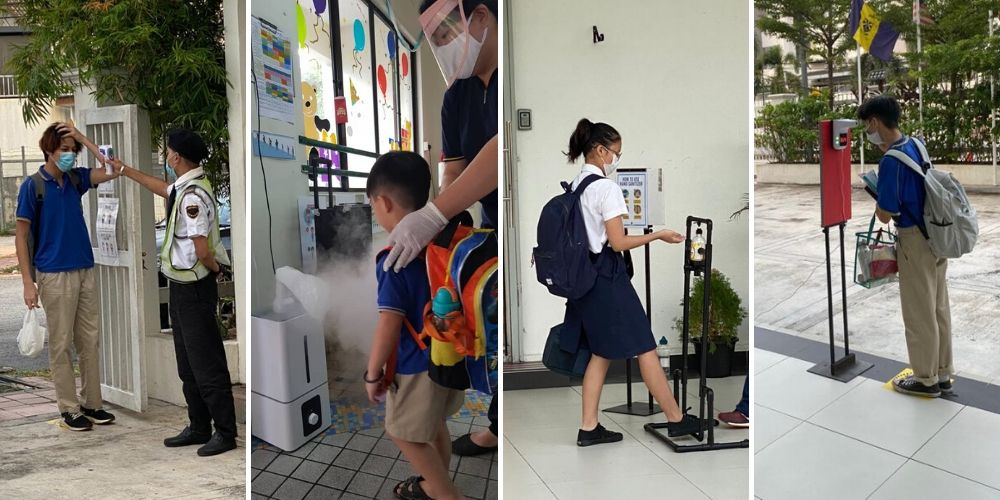
However, this may not be applicable or effective in all situations. This is where administrators will need to take a very hands-on approach. There must be a willingness to put in that additional effort to modify or create completely different SOPs for varying situations.
While time is certainly of the essence, especially with a virus that can spread so rapidly, we must understand that this will not be an overnight process. It will take days or weeks if not longer for all members of a school – right from teachers and students to parents and support staff to truly grasp and perfect the implementation of the SOPs.
We must be willing to give it the time it needs for these processes to be perfected for the long-term security and safety of students.
What are some of your suggestions to parents and educators in easing this transition?
The most important piece of advice I can provide at this point is for parents and educators to be vigilant.
Be completely aware of the SOPs your school is implementing and be mindful that it is actually being implemented and followed rigidly. Keep an eye on your students, fellow teachers or parents. When we support and check each other in this way I think we can help make this process smoother and safer for all.
On top of this, communication will be key. There must be open and consistent lines of communication between parents and teachers.
In these initial stages where parents will need to be aware of the SOPs and teachers will need to be aware of the children’s status. In the longer-term teachers will need to constantly update parents on the classroom situation, health of students and so on.
This level of awareness will be critical in maintaining a safe and secure environment for all involved.
How do you foresee the future of education post COVID-19?
I believe that ultimately, we will look back at this phase as a harsh and life changing but necessary process that will benefit the education industry in the long-term.
Sure, this has been a big blow to the private education industry and teachers have been heavily burdened by this unprecedented situation. However, I believe that the lesson we have and will learn along the way, will prove to be worth the current sacrifices and loss.
While it has thrown many hurdles our way, it has actually forced the industry and its teaching staff to embrace a digital future more whole-heartedly and more rapidly that would have previously been possible. This will benefit remote and long-distance learning approaches that will be particularly key in educating children in more rural communities.
Beyond that, the health and safety lessons that will be drilled into the minds of all members of the education community in the coming months, will put us all in good stead for facing future disease outbreaks.