





Congratulations! You’re eating for two now. Or are you?
How much do you know about what you should be eating while you’re pregnant?
Take our quiz and find out.
1) A pregnant woman should eat how many extra calories per day?
( ) 300
( ) 500
( ) 1000
2) A woman of average weight should gain how many pounds during her pregnancy?
( ) 15-25
( ) 25-35
( ) 35-45
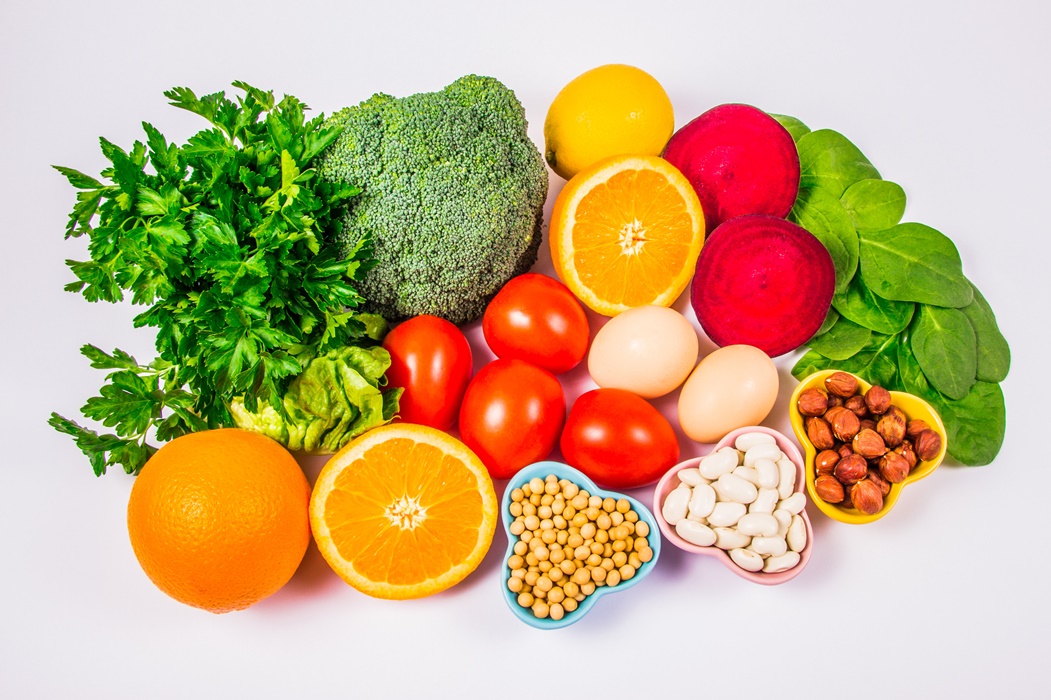
3) Folic acid, a key nutrient to the growth of your baby, can be found in which foods?
( ) Dark, leafy greens
( ) Peas and beans
( ) Citrus fruits and juices
( ) Whole-grain breads and cereals
( ) All of the above
4) True or False: It’s okay to have an occasional glass of wine during pregnancy.
( ) True
( ) False

5) Pregnant women should increase their daily calcium intake by:
( ) 20 percent
( ) 30 percent
( ) 40 percent
6) Which of the following sources of carbohydrates offers the least nutritional value?
( ) Whole-grain cereals
( ) Brown rice
( ) White bread
( ) Pasta
7) True or False: It is recommended that most pregnant women take vitamin supplements, including folic acid, iron and calcium.
( ) True
( ) False
8) Which of the following is the minimum recommended daily intake of fruits and vegetables during pregnancy?
( ) 3 servings of vegetables and 2 of fruits
( ) 2 servings of vegetables and 3 of fruits
( ) 4 servings of each
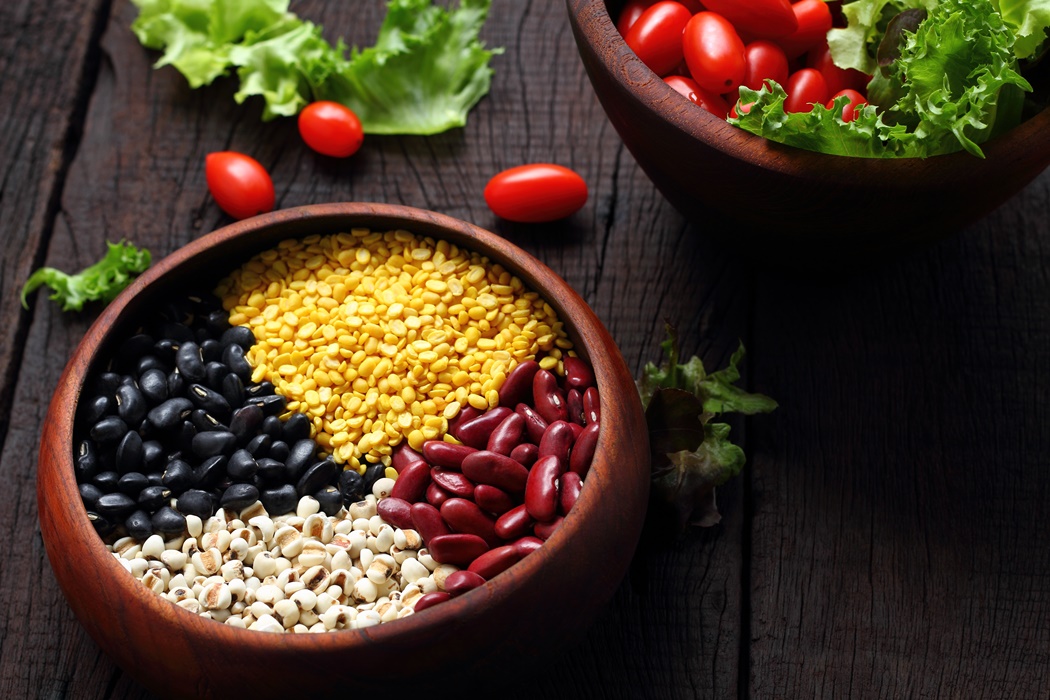
9) Which of the following foods are a good source of protein in a vegetarian diet?
( ) Beans
( ) Nuts
( ) Soy products
( ) All of the above
10) During pregnancy, calories from fat should be limited to what percentage of your daily diet?
( ) 30 percent
( ) 40 percent
( ) 50 percent
11) The recommended daily allowance of iron for pregnant women is:
( ) 5 milligrams
( ) 10 milligrams
( ) 30 milligrams
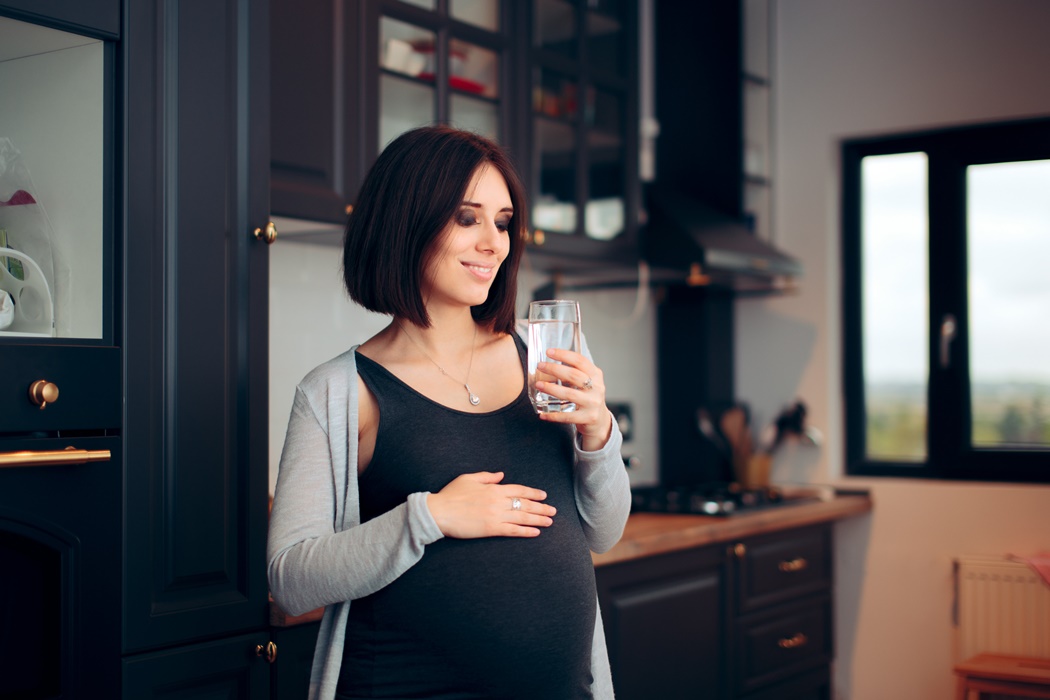
12) Pregnant women should drink 8 glasses each day of:
( ) Water
( ) A combination of water and juice
( ) Anything liquid
13) True or False: Low-fat dairy products contain less calcium than high-fat dairy products.
( ) True
( ) False
14) Which of the following types of food are good sources of iron?
( ) Shellfish
( ) Red meat
( ) Leafy greens
( ) Potatoes
( ) All of the above
ANSWERS:
1) 300. When you’re pregnant, you need about 300 calories more per day than you usually eat, according to the American College of Obstetricians and Gynecologists (ACOG).
2) 25 to 35. ACOG reports that the average-sized woman gains 25 to 35 pounds during pregnancy. Significantly more or less weight gain could be a result of poor eating habits.
3) All of the above. Women should have 0.4 milligrams a day of folic acid to help prevent neural tube defects. This vitamin can be found in many food sources, including spinach, collard and turnip greens, romaine lettuce, broccoli, asparagus, whole-grain breads and cereals, citrus fruits and juices, organ meats (such as liver), peas, and beans.
4) False. The March of Dimes (MOD) reports that every sip of alcohol during pregnancy can increase your baby’s risk of birth defects and mental retardation. There is no “safe” level of alcohol consumption when you’re pregnant.
5) 40 percent. Pregnant and lactating adult women require an additional 40 percent of calcium (1200 to 1500 mg) a day. Almost all of the extra calcium goes into the baby’s developing bones.
6) White bread. The MOD recommends that pregnant women choose whole-grain foods for their daily carbohydrate intake, such as whole-wheat bread or cereals, brown rice, or pasta. Foods with white flour contain the least amount of nutrition.
7) True. According to the Food and Drug Administration (FDA), calcium and iron are essential for the health of both mother and baby. Most women need supplements to maintain adequate levels of these minerals.
8) 3 servings of vegetables and 2 of fruits. Fruits and vegetables provide important vitamins and minerals, as well as fiber to aid digestion, according to the MOD. Choose at least three vegetables and two fruits every day, including a juice or fruit rich in vitamin C, such as an orange.
9) All of the above. Lean meat, poultry, fish, and eggs are the best sources of protein. However, protein can also be found in tofu and other soy products, dried beans, and nuts, as well as in a wide variety of grains, reports the MOD.
10) 30 percent. According to the MOD, pregnant women should limit fat to no more than 30 percent of their daily caloric intake. High-fat foods (such as butter, sour cream, salad dressing, and gravy) should be used sparingly.
11) 30 milligrams. Iron prevents fatigue and is necessary to create the red blood cells that deliver oxygen to your baby. The recommended daily allowance of iron for pregnant women is 30 milligrams.
12) Water. Drink plenty of fluids, especially water during pregnancy. While water is best, juice is another healthy option, according to the MOD. But keep in mind that juice is high in calories, while water has none. Avoid or limit caffeinated beverages such as coffee, tea, and soda.
13) False. Low-fat dairy products contain an equal amount of calcium as high-fat products, only less fat. In fact, the
MOD recommends a daily intake of 3 to 4 servings of low-fat milk, yogurt, or cheese.
14) All of the above. According to the FDA, animal products such as meat, fish, and poultry, are good and important sources of iron. Iron can also be found in plant sources, such as green leafy vegetables, potatoes, and whole-grain and iron-fortified cereal products.