




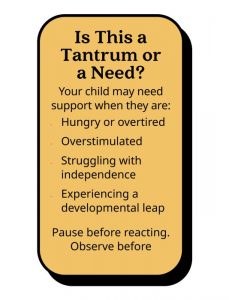
Every parent has experienced it. A simple request turns into tears, raised voices, or a child overwhelmed by emotions. Tantrums can be exhausting, especially after a long day or in public places. Many parents wonder whether this behaviour is normal or whether they are doing something wrong.
In Montessori education, tantrums are not viewed as bad behaviour. They are understood as communication. Young children experience emotions deeply, but they do not yet have the language or self-control to express them calmly. Tantrums often appear during sensitive periods, which are natural stages of development when children are especially focused on learning skills such as independence, order, language, and emotional regulation.
In Montessori education, tantrums are not viewed as bad behaviour. They are understood as communication.
Understanding the Child Before Correcting the Behaviour
Montessori encourages adults to pause before reacting. Instead of focusing on stopping the tantrum, parents are guided to ask what the child may be trying to communicate. A child who is frustrated, tired, or overwhelmed is not being difficult. The child is signalling a need for support. When parents respond with understanding rather than control, children feel emotionally safe.
This sense of safety forms the foundation for self-regulation and emotional growth.
 The Role of the Prepared Environment
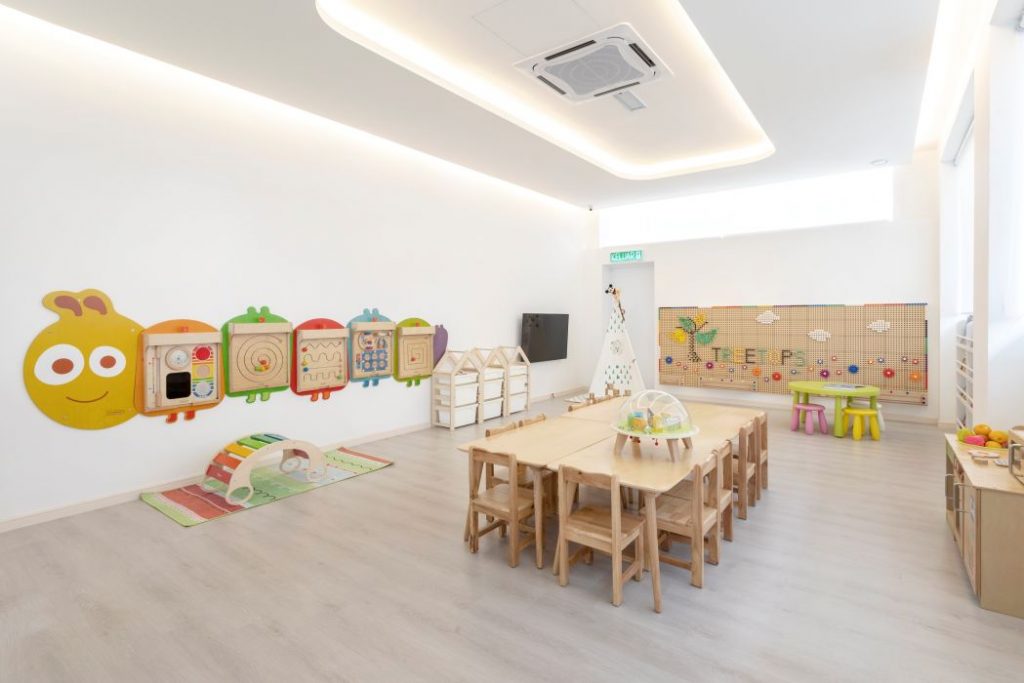
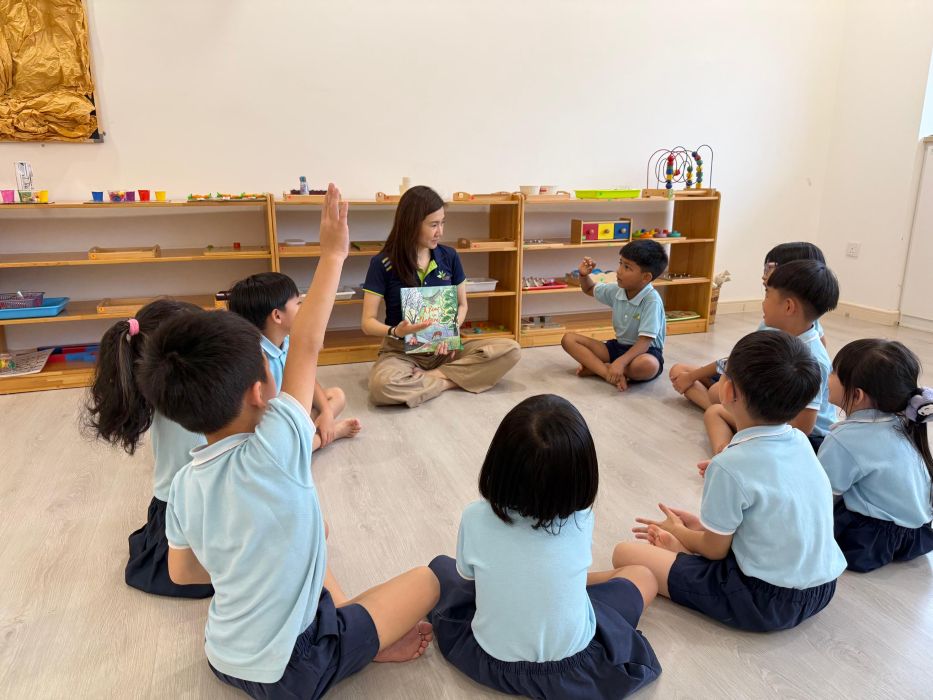
The prepared environment is a key Montessori principle. It refers to creating spaces that are calm, orderly, and suited to a child’s size and abilities. When the home environment is predictable and organised, children feel secure.
Simple changes can make a difference. Keeping toys neatly arranged, reducing clutter, and maintaining consistent routines help children know what to expect. When children feel grounded in their surroundings, emotional outbursts often reduce naturally.
Keeping toys neatly arranged, reducing clutter, and maintaining consistent routines help children know what to expect.
Following the Child During Sensitive Periods
Following the child means respecting readiness rather than rushing development. During sensitive periods, children are naturally motivated to master certain skills. Pushing too hard or comparing children can lead to frustration.
Allowing children time to repeat activities, make mistakes, and learn at their own pace builds confidence. When children feel respected, they are more cooperative and emotionally balanced.
Independence as Emotional Support
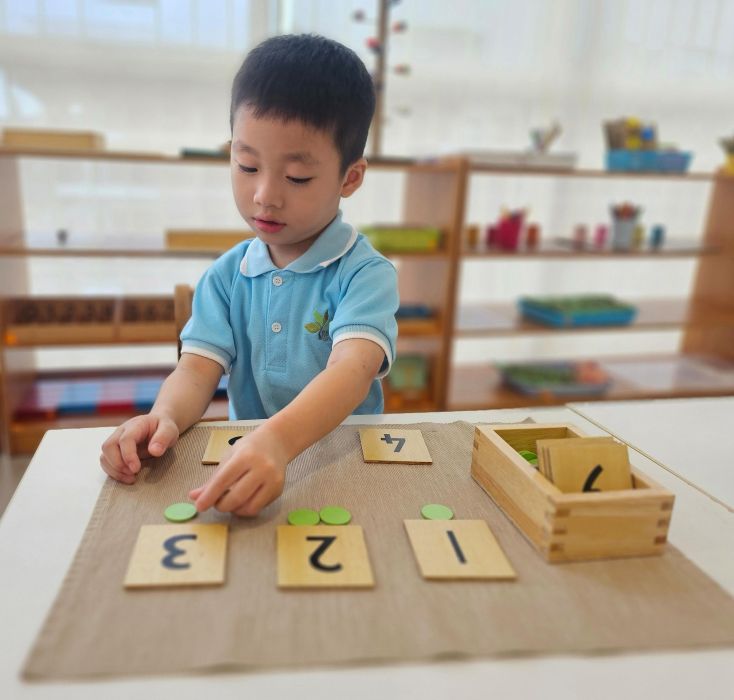
Many tantrums occur when children want to do things independently but feel rushed or interrupted. Montessori supports independence in daily routines such as dressing, pouring water, and tidying up.
When children are trusted with small responsibilities, they feel capable. A capable child is less likely to feel overwhelmed. Independence becomes a powerful support for emotional calm.
Supporting Emotional Understanding and Regulation
Children learn emotional management through repeated experiences of being understood. Acknowledging feelings and naming emotions help children make sense of what they are experiencing. Over time, children learn to express emotions with words and gradually manage them.
This development takes time. Emotional regulation is not taught through punishment or control, but through calm guidance, empathy, and consistent adult responses.
A Gentle and Lasting Transformation
With consistent Montessori practices, parents often notice fewer and less intense tantrums. Children begin to express themselves more clearly and show greater patience and confidence. The aim is not to remove emotions, but to help children manage them in healthy ways.
For many Malaysian families, Montessori aligns naturally with values of respect, patience, and responsibility. When adults prepare the environment, observe sensitive periods, and follow the child, the journey from tantrums to tranquillity becomes both achievable and meaningful.
Parent Takeaway
Parents can support emotional calm by preparing a child-friendly environment, encouraging independence, offering choices within clear limits, responding calmly to emotions, and remembering that behaviour is a form of communication.
Curious how Montessori works beyond the classroom? Discover more at their website and catch up on updates at their Instagram and Facebook pages.