




Parenting in 2026 comes with a strange new skill set. One minute you’re packing lunchboxes, the next you’re trying to explain online scams, screen time boundaries, and why your child absolutely does not need to believe everything a random TikTok comment says.
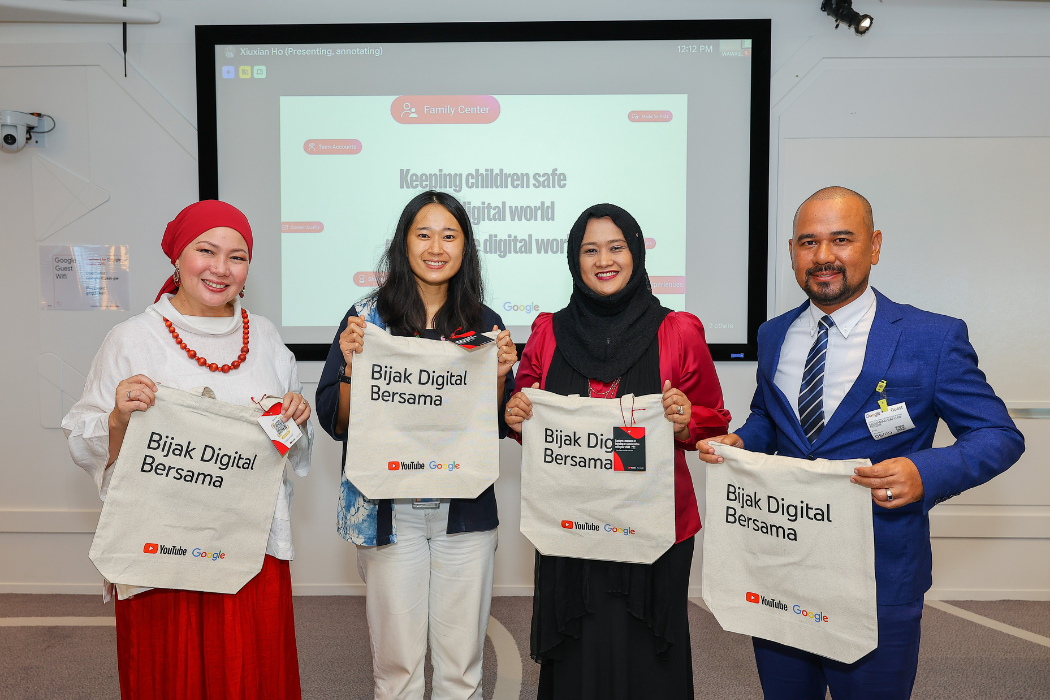
Recognising that modern parenting now comes with a digital handbook nobody really asked for, Google and YouTube have launched “Bijak Digital Bersama Google dan YouTube”, an initiative designed to help Malaysian families navigate the online world more confidently and safely. Through hands-on activities and expert-led discussions, the programme encourages parents to move beyond simply monitoring their children’s online habits and instead build healthier, more open relationships with technology together.
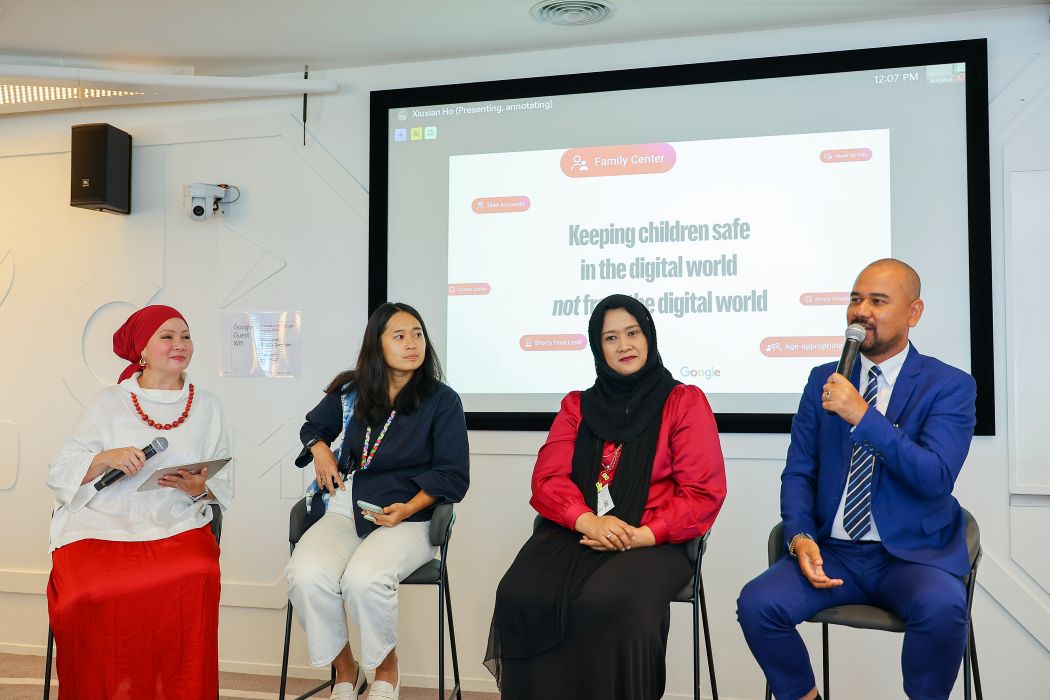
Panel Discussion on “The Digital Guardrail_ Preparing the Next Generation”
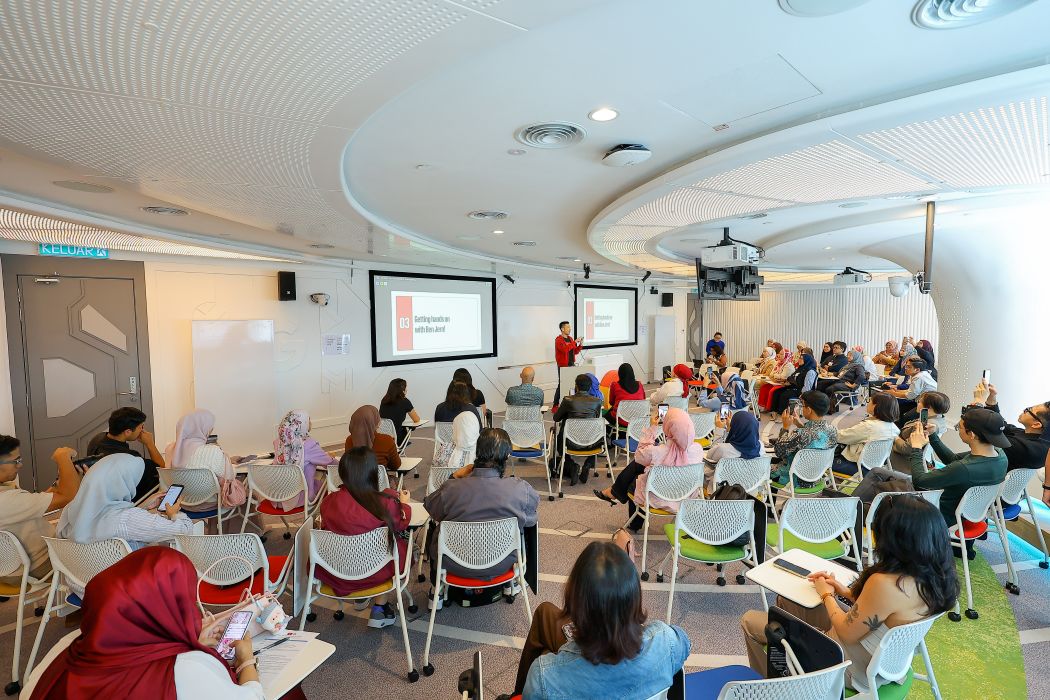
Attendees during the live demo on how parents use Google and YouTube tools at home
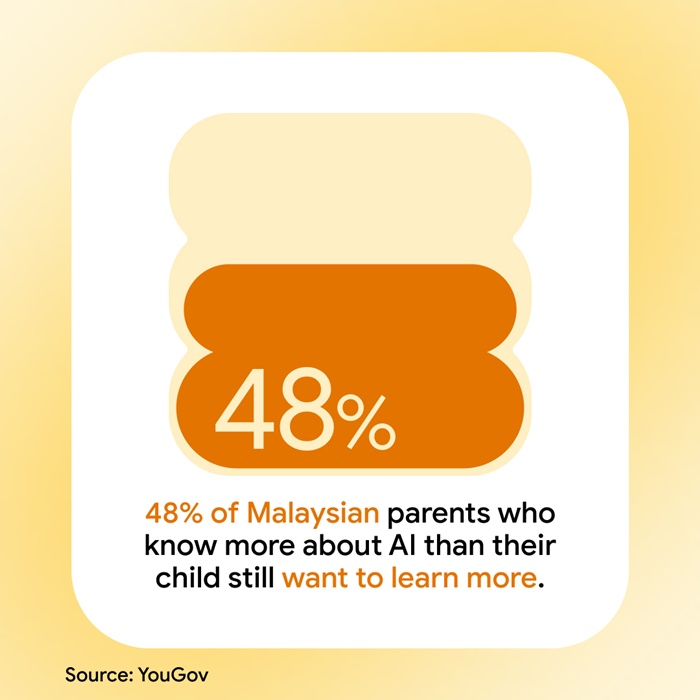
This comes on the back of a YouGov survey commissioned by Google on AI safety perceptions and habits, which found a growing “resilience gap” among Malaysian families. While 67% of parents feel confident guiding their children on AI, many struggle to translate that confidence into consistent and effective online safety practices.
The survey also highlighted several key challenges faced by Malaysian parents:
- 3 in 5 parents (56.8%) cite online safety and privacy as their top concern, yet fewer than 2 in 5 (38.9%) feel confident protecting their child’s personal data online.
- More than half of parents (54.5%) are concerned about content exposure, while 86.1% believe their children are at risk of encountering misinformation or harmful content.
- 3 in 5 parents (52.7%) struggle with managing screen time, but only 1 in 5 (21%) use remote locking features to manage device usage.
These challenges often lead to a reliance on “active monitoring” (54%), which can be exhausting for parents and create friction with teens who value their digital independence. Against this backdrop, discussions at Bijak Digital Bersama Google dan YouTube focused on empowering families to move from short-term control towards building long-term digital confidence, open dialogue and critical thinking skills that can better prepare children to navigate the online world independently and responsibly.
“Parents today are more engaged than ever in guiding their children online, but many are still navigating unfamiliar ground as technology continues to evolve. At Google, our goal is to protect kids and teens in the digital world, not from the digital world. That’s why we have been building age-appropriate experiences for our younger users and developing tools that help families manage their relationship with technology. By equipping families with the right tools and knowledge, we hope to ensure that children can navigate the Internet safely and confidently.” – Ben King, Country Managing Director, Google Malaysia.
Helping Families Learn Better and Stay Safer Online
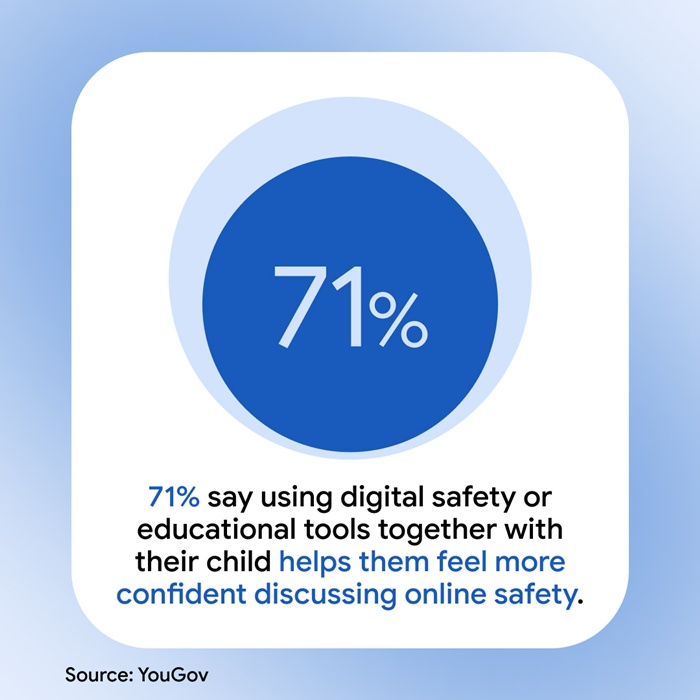
To support this shift from monitoring to mentorship, Google and YouTube have introduced a range of built-in tools and resources designed to help families learn better through AI, while also fostering safer and healthier digital habits.
Google is also invested in building age-appropriate experiences for our younger users and developing tools that put parents in the driver’s seat to shape their families’ digital experience with tailored products and features. This includes:
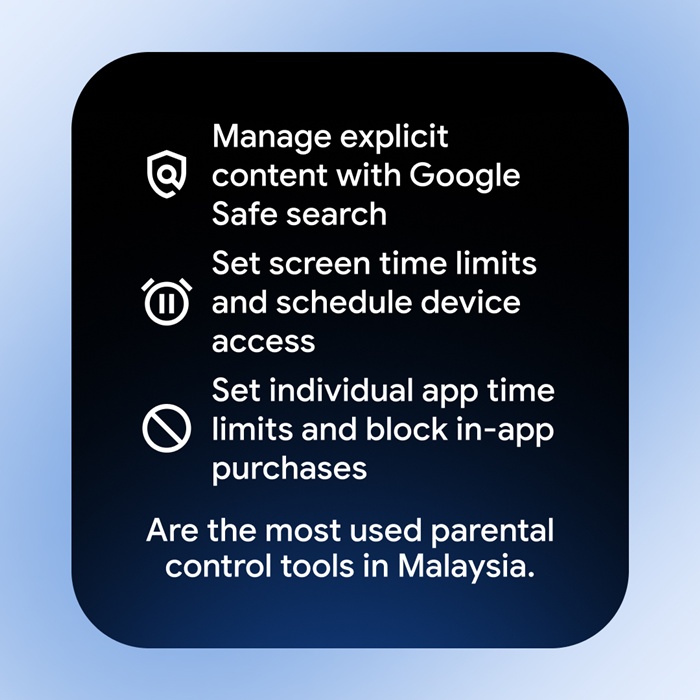
- Content guardrails for the age-appropriate experiences for children – such as SafeSearch help filter explicit content across websites and search results, while YouTube Kids and supervised experiences on YouTube provide age-appropriate viewing environments based on a child’s maturity level.
- Helping families manage screen time and digital routines: With tools like Family Link, parents can establish ground rules within the family, like customising time limits to apps, managing the websites they visit and apps they download. Features such as “School Time” and device downtime also help minimise distractions when children need to focus.
- On YouTube, Parents can enable digital well-being reminders like “Bedtime” and Take a Break to control the time spent on the platform. Parents also have the ability to set the amount of time their kids spend scrolling through Shorts, including setting it to zero, helping young users pause, reflect and reduce excessive scrolling habits.
- Ensuring digital literacy as a family: Through initiatives such as Be Internet Awesome, both parents and children are equipped with practical skills to navigate the online world more responsibly, from identifying misinformation to developing safer online habits.
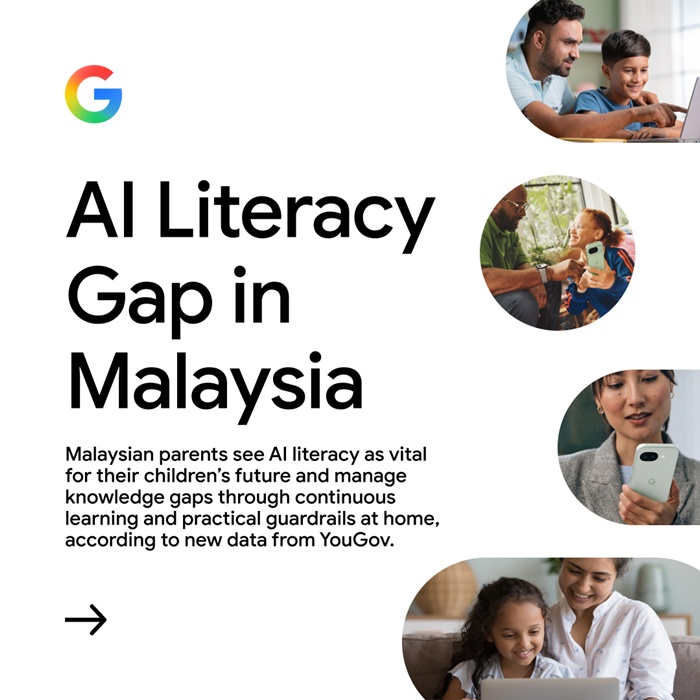
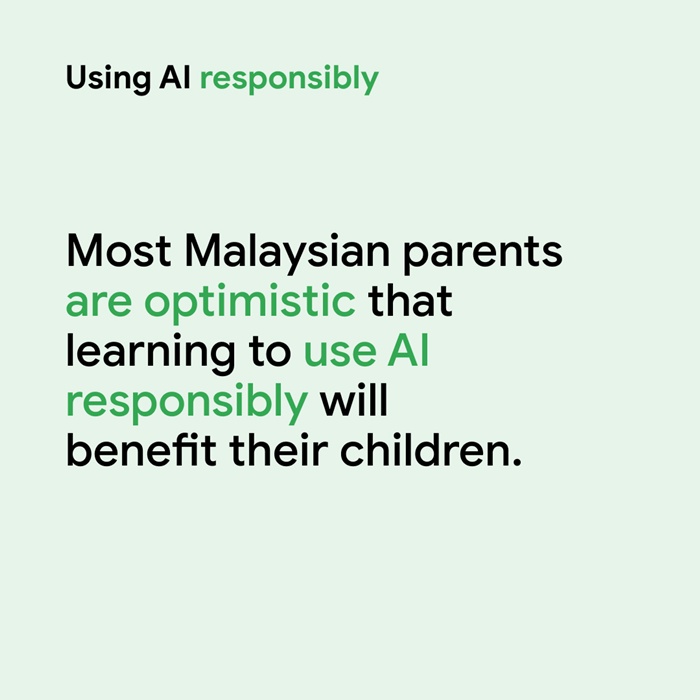
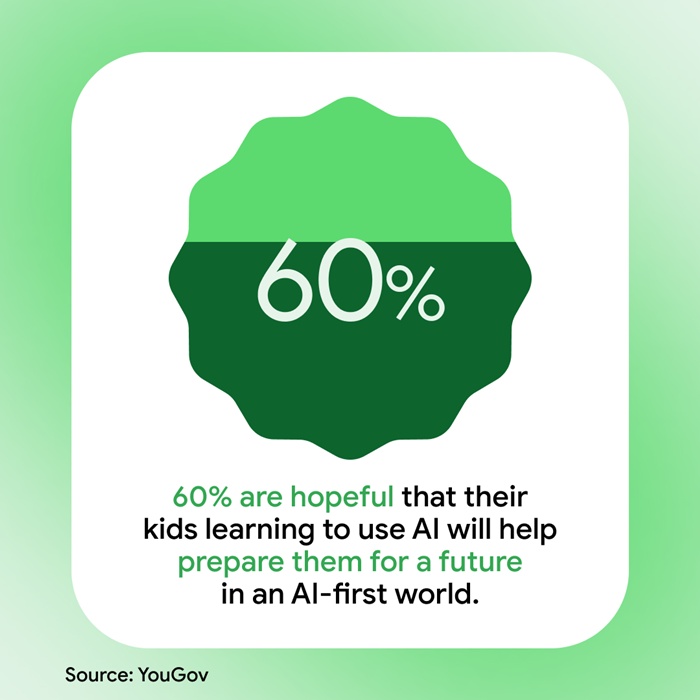
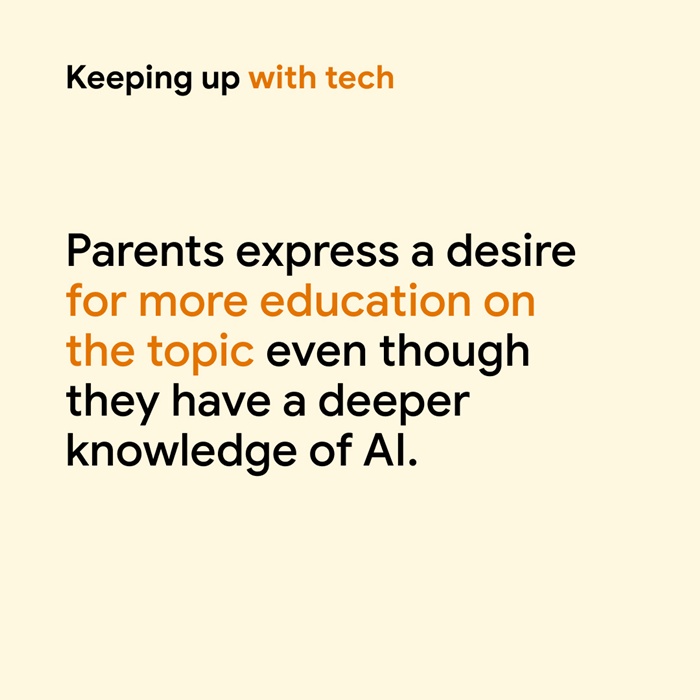
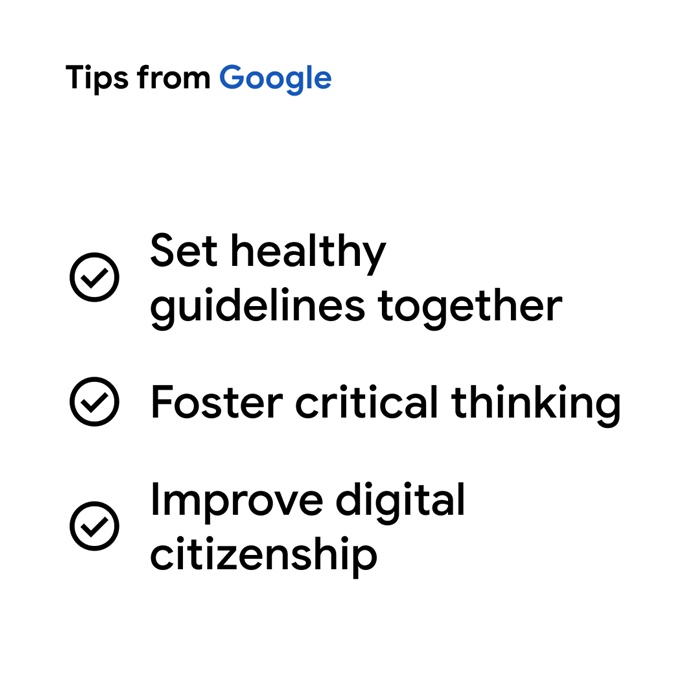

Across its platforms, Google and YouTube continue to strengthen safeguards for younger users, including age-appropriate experiences, enhanced content protections and tools that help users better understand and verify what they see online. These efforts reflect a broader commitment to ensuring children and teens can explore, learn, and grow online in a way that is both safe and empowering.