





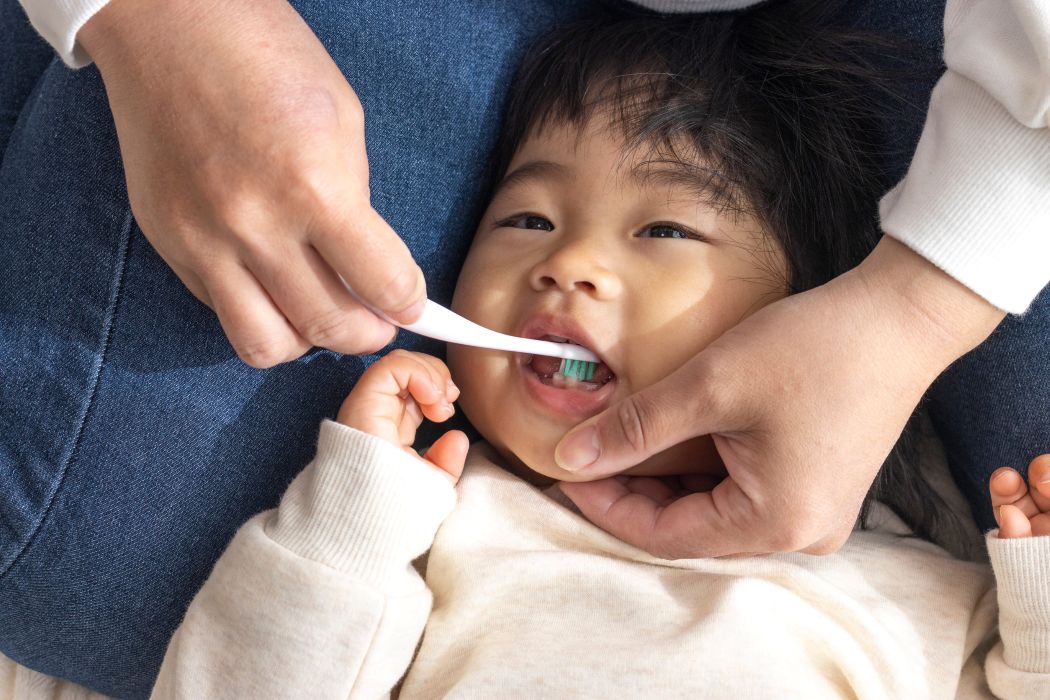
Let’s be honest: trying to brush a baby’s teeth is often less like a “precious bonding moment” and more like trying to wrestle a very slippery, very angry eel that has surprisingly sharp teeth. It is chaotic, messy, and usually involves at least one of you getting poked in the eye.
Because it is such a hassle, many parents delay the toothpaste part of the equation. We tell ourselves that as long as we’re “scrubbing” with water, it’s fine. But if you’re waiting until your toddler can actually spit into the sink without coating their entire shirt, you might be waiting too long.
So, when is it safe to introduce the minty stuff? Is your midnight bottle habit causing more trouble than you think? Let’s get into it.
The Magic Age (and the Magic Ingredient)
According to Dr Deevisha Raj, a dentist from Negeri Dental Surgery Seremban, you can introduce fluoridated toothpaste as early as one year old.
While some “natural” brands push fluoride-free options, Dr Deevisha is quite firm on why we need the real deal. Fluoride is the primary tool we have for protecting and remineralising the outer layer of a child’s teeth.
Think of it as a tiny suit of armour for their enamel. Without it, those brand-new teeth are essentially sitting ducks for bacteria.
How Much is Too Much?
The biggest worry parents have is the “swallow factor.” Since a one-year-old hasn’t quite mastered the art of the elegant rinse-and-spit, they might swallow the toothpaste. It is inevitable.
To manage this, it’s all about the dosage. Dr Deevisha suggests:
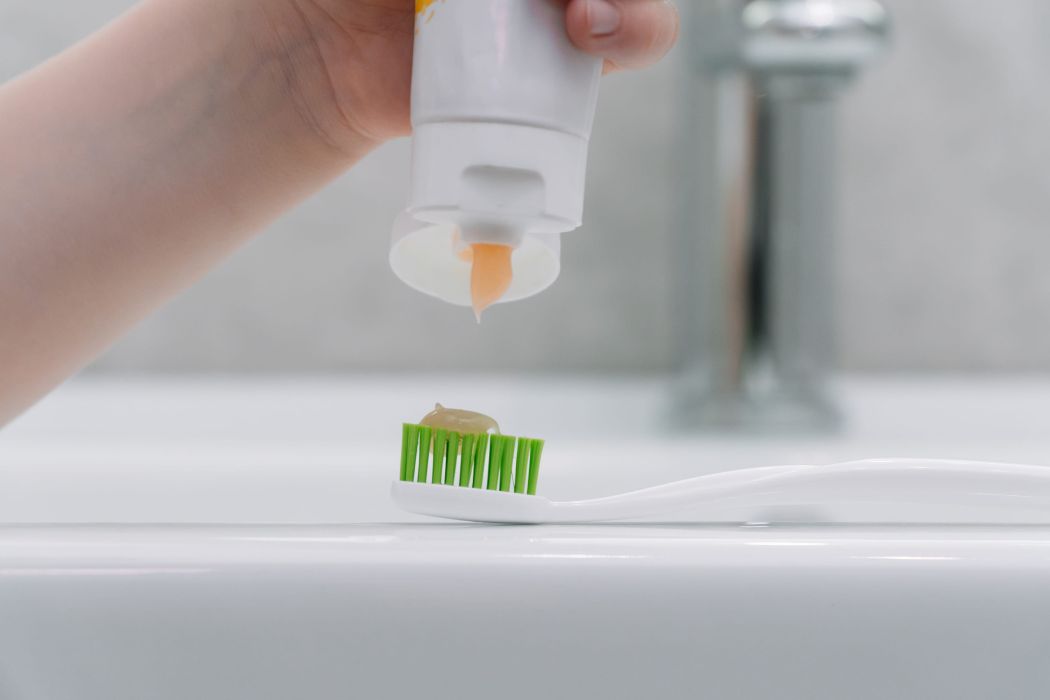
- Under 3 years old: Use a tiny smear of toothpaste. We’re talking a thin film, barely covering the tips of the bristles.
- Over 3 years old: You can graduate to a pea-sized amount.
Why the strict rationing? If a child regularly gulps down large amounts of toothpaste, they can develop fluorosis. This shows up as white streaks or spots on the permanent teeth.
It’s not the end of the world, but it’s easily avoidable if you just stick to the “smear” rule.
The Habit That’s Rotting Their Teeth
Here is the part where we stop sugar-coating. Dr Deevisha points out a massive trend she sees in the clinic: early childhood caries (cavities) in children as young as three.
The culprits are usually two-fold. First, parents often wait too long to start brushing twice a day. The rule is simple: as soon as the first tooth erupts, the brush comes out. Second, and perhaps most controversially, is the night-time bottle.
Feeding a baby a bottle of milk at night and letting them drift off to sleep without brushing afterwards is essentially letting their teeth soak in sugar for eight hours. It’s a fast track to the dentist’s chair for a filling before they’ve even started preschool.
Moving Forward
It feels like a lot to manage on top of sleep training and weaning, but looking at it as a non-negotiable part of the routine makes it easier. You aren’t just cleaning teeth; you’re setting them up for a lifetime of not being terrified of the dentist.
Be consistent, use the fluoride, and ditch the midnight milk-soak. Your child’s future smile (and your future bank account) will thank you for it. You’ve got this. It’s just one more tiny human task in a day full of them, but this one actually keeps the “tooth fairy” bills at bay.