






When a child snores at night, struggles to hear clearly or seems distracted in class, parents may assume they are simply tired or going through a phase.
Sometimes, the real issue may begin with their ears, nose or throat.
ENT conditions are common in childhood and can develop quietly. A blocked nose, recurring ear infection or enlarged tonsils may not seem serious at first, but over time, these issues can affect how well a child sleeps, communicates and learns.
At Sunway Medical Centre Damansara, the ENT service led by Dr James Kok Wai Leong, Consultant Ear, Nose, Throat & Rhinoplasty Surgeon, focuses on identifying these concerns early and finding the most appropriate treatment for each child. This family-centred approach was recently recognised for Best ENT Clinic for Kids & Families award at the Parents’ Choice Awards 2026.

Dr James Kok Wai Leong, Consultant Ear, Nose, Throat & Rhinoplasty Surgeon, Sunway Medical Centre, Damansara
When Breathing Problems Affect Sleep
A child needs a clear airway to sleep well. Enlarged tonsils and adenoids, allergic rhinitis, sinus problems or persistent nasal blockage can make breathing more difficult, especially at night.
Parents may notice:
- Loud or regular snoring
- Mouth breathing
- Restless sleep
- Frequent waking
- Pauses in breathing
- Tiredness or irritability during the day
When sleep is repeatedly disrupted, children may have difficulty regulating their mood and energy levels. Younger children may appear unusually active or irritable, while school-going children may find it harder to concentrate, follow instructions or participate in lessons.
“If parents notice changes in their child’s behaviour, sleep quality, communication or school performance, it is worthwhile having the child assessed rather than waiting for symptoms to resolve on their own,” says Dr James.

Hearing Difficulties Can Be Easy to Miss
Unlike complete hearing loss, mild or fluctuating hearing difficulties may be harder for parents and teachers to recognise.
A child may respond normally in a quiet room but struggle to understand speech in a busy classroom. They may frequently ask others to repeat themselves, turn up the volume on devices or appear distracted during conversations. These signs may be associated with recurring ear infections or fluid behind the eardrum.
“Hearing plays a critical role in speech, language, social interaction and learning. The earlier we detect a problem, the better the opportunity we have to support a child’s long-term growth.” – Dr James Kok Wai Leong
When left unaddressed, hearing difficulties may affect speech development, classroom participation, communication and confidence.
When Is an ENT Assessment Needed?
Not every blocked nose or mild earache requires specialist attention. However, parents should seek advice when symptoms persist, recur or begin affecting sleep, communication or school performance.
An assessment may be appropriate if a child experiences repeated ear infections, delayed speech, persistent nasal congestion, regular snoring, mouth breathing or suspected hearing difficulties.
“Snoring is not always harmless, recurrent ear infections should not be considered normal, and even mild hearing loss can impact a child’s development,” says Dr James.
The goal of an assessment is to identify the underlying cause and determine the most appropriate next step. Treatment may involve medication, allergy management or monitoring, with surgery considered only when clearly necessary.
“Whenever possible, we prioritise conservative management, as avoiding unnecessary surgery helps preserve normal growth and development,” Dr James adds.
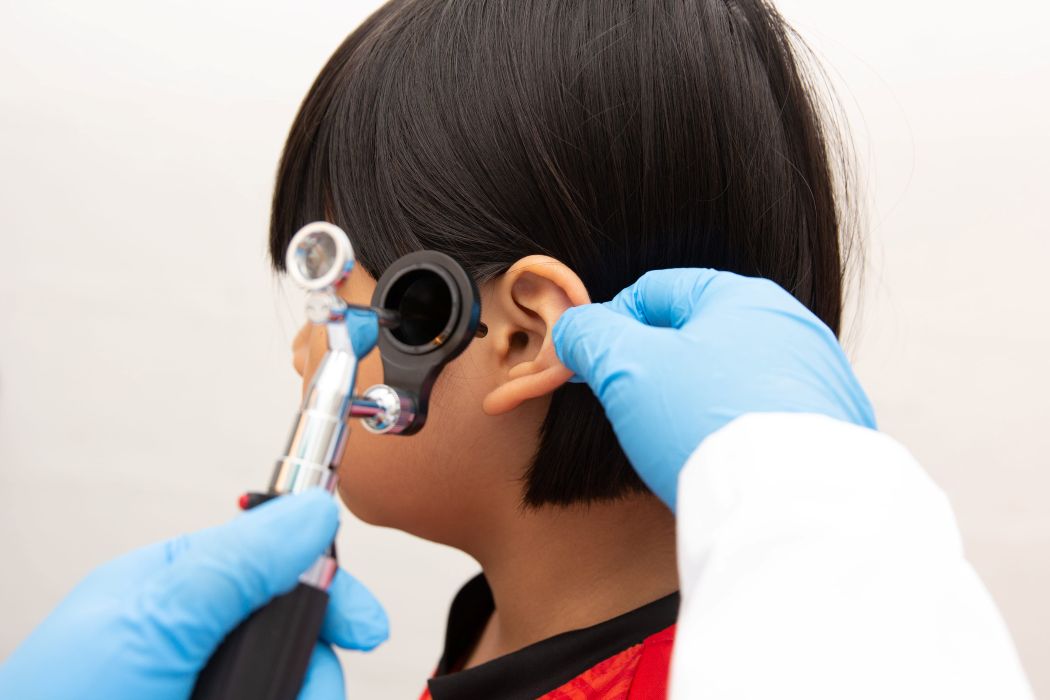
Simple Ways to Protect Your Child’s ENT Health
Parents can support their child’s ENT health through simple habits. Dr James recommends keeping headphone volume below 60 per cent and limiting continuous listening to 60 minutes before taking a break.
Cotton buds should not be inserted into the ear canal, as they may push wax deeper or cause injury. Cleaning the outer ear gently with a soft cloth is usually sufficient.
Parents should also watch for patterns such as frequent tiredness, repeated ear discomfort, difficulty hearing or constant mouth breathing, as these may signal the need for further assessment.
At Sunway Medical Centre Damansara, care is centred on understanding each child’s needs and involving families in decisions.
As CEO Ms Jasmine Lau Mooi Hun explains, “The best treatment is not necessarily the most complex intervention, but the one that is most appropriate, evidence-based and beneficial for the patient. Ultimately, our commitment is to improve the lives we touch by ensuring that every patient receives care that is thoughtful, appropriate and truly centred around their needs.”

For further inquiries, contact Sunway Medical Centre Damansara at smcd-ge@sunway.com.my or +60389669191 or +60192168825.