






From bottle refusal to tummy discomfort, here’s what first-time parents should know when introducing a feeding bottle.
You’ve bought the tiny clothes, packed your hospital bag and prepared a cosy corner for your baby. But when it comes to feeding, there’s still plenty to figure out.
Will your baby accept a bottle? What if they refuse it? And how do you know which bottle to choose when there are so many options?
Whether you’re introducing a bottle from the beginning or later on, the experience can come with questions, worries and a little trial and error.
The good news? You don’t need to have everything figured out from day one. Understanding a few common feeding concerns and knowing what to look for in a bottle can help make the experience feel a little less daunting.
1. What If My Baby Refuses the Bottle?
You’ve prepared a feed, settled into your favourite chair and offered the bottle. But instead of drinking, your baby turns away or starts fussing.
Sound familiar?
Some babies accept a bottle easily, while others need time to adjust. The experience can vary depending on your baby’s preferences and what they’re already familiar with.
One thing worth considering is the teat. Its shape, texture and flow rate can influence how comfortably your baby feeds.
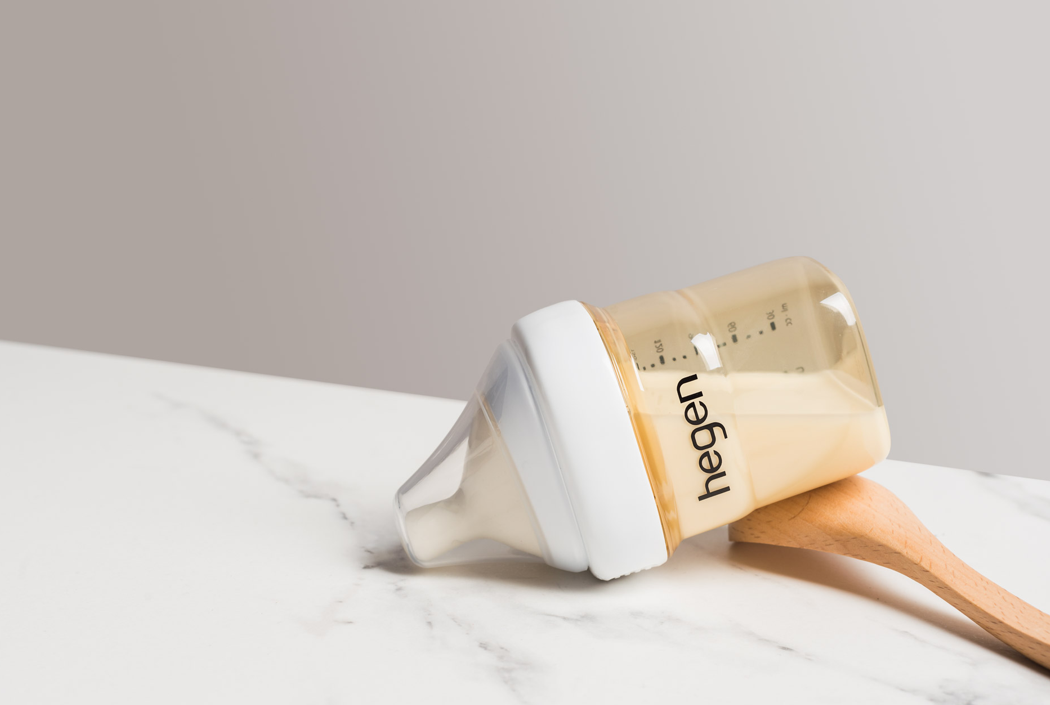
Hegen’s Natural-Feel Teat, for example, features a soft, elliptical shape designed to mimic the feel of the breast. Its asymmetrical, off-centre design also supports a more upright feeding position, making it a thoughtful option for parents introducing a bottle or transitioning between feeding methods.
Still, even with a thoughtfully designed teat, don’t expect every baby to take to the bottle immediately.
Try offering it when your baby is calm, rather than extremely hungry or upset. Give them time to adjust, and avoid forcing the teat if they turn away.
A little patience can go a long way.
2. Will Bottle-Feeding Cause Colic or Tummy Discomfort?
Few things worry a new mum more than seeing her baby cry or squirm after a feed.
Naturally, you might wonder whether the bottle is causing discomfort.
Babies can swallow air while feeding, which may contribute to wind and tummy discomfort. However, colic is more complex, and its exact cause is not fully understood. It can affect babies regardless of how they’re fed.
This is where thoughtful bottle design may help.
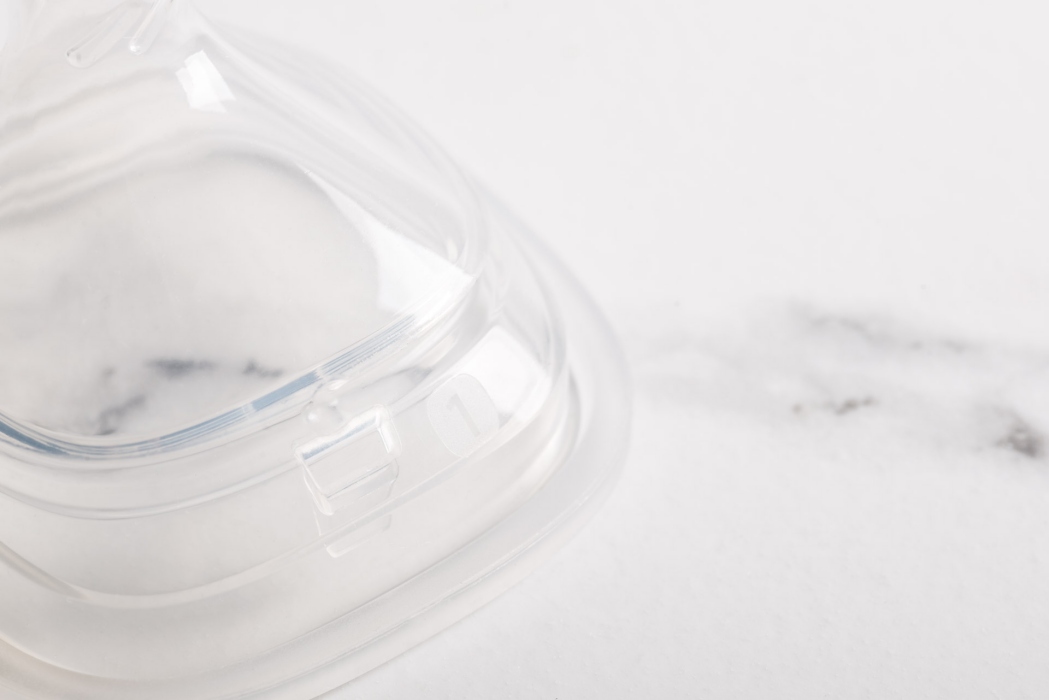
Hegen’s built-in Anti-Colic Air Vent is designed to reduce excessive air intake during feeding, which may help minimise wind-related discomfort.
But remember, no bottle can guarantee a colic-free baby.
How you feed matters too. Hold your baby in a semi-upright position, keep the bottle almost horizontal while ensuring the teat contains milk, and allow breaks when your baby shows signs of needing one.
If your baby frequently cries for long periods, struggles with feeds or seems persistently uncomfortable, speak to your paediatrician to rule out other possible causes.
3. How Do I Know If I’m Choosing the Right Bottle?
When shopping for baby bottles, it’s tempting to focus on the colours, designs or recommendations from other mums.
But once you start using one regularly, you’ll quickly realise that practicality matters just as much.
Look for a bottle that’s easy to assemble, comfortable to hold and simple to clean. Fewer parts and a wide opening can make everyday washing more manageable.
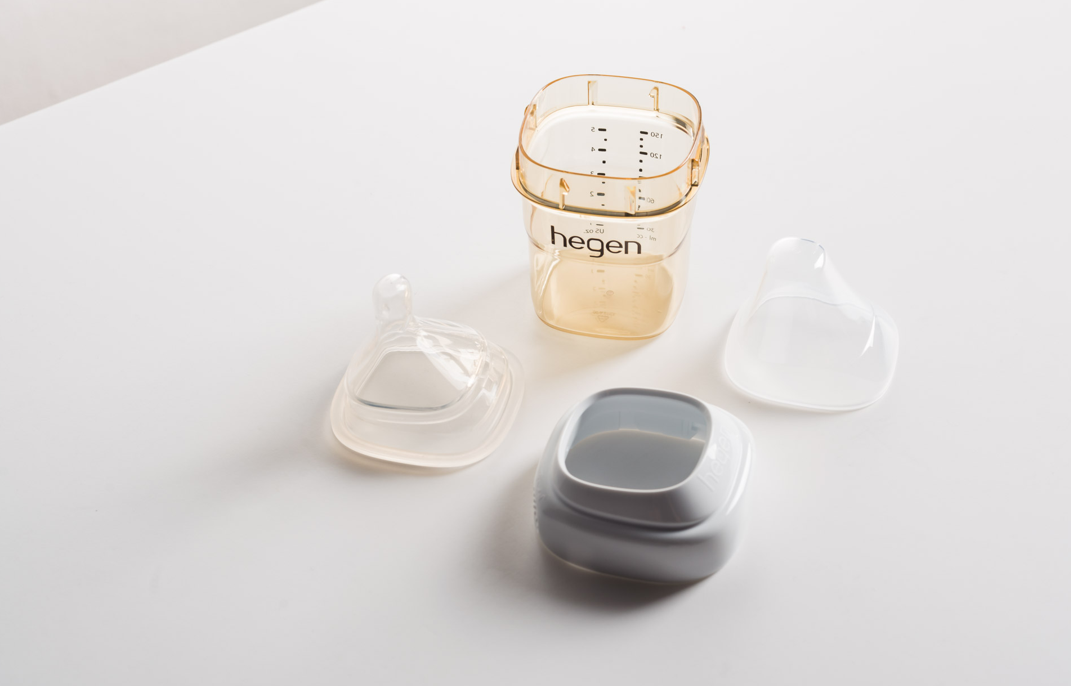
Hegen bottles feature a wide opening, smooth interior and minimal parts for easier cleaning. Their Press-to-Close, Twist-to-Open (PCTO™) design also allows parents to secure the bottle with a simple press and open it with a twist.
The bottles are made from PPSU, a durable, heat-resistant material suited to repeated sterilisation.
These may seem like small details, but when you’re preparing a feed while juggling a hundred other things, anything that simplifies the routine is welcome.
A Feeding Bottle That Grows with Your Baby
Here’s something many first-time parents don’t realise: the bottles you buy during your baby’s early months don’t necessarily have to become unused baby gear as they grow.
With the right accessories, they can serve different purposes at different stages.
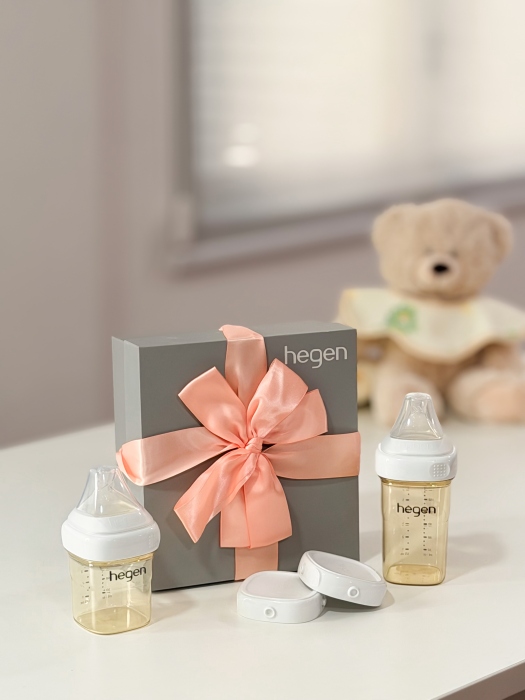
The Hegen PCTO™ Basic Starter Kit PPSU offers a practical starting point for parents preparing to introduce a bottle. It includes two feeding bottles, one 150ml with a slow-flow teat and one 240ml with a medium-flow teat, along with two breast milk storage lids.
What makes the system convenient is its versatility.
By simply replacing the teat with a storage lid, the feeding bottle can be converted into a storage container. This provides added flexibility for parents who express and store breast milk, without needing to transfer it between multiple containers.
Later, with compatible accessories purchased separately, the same containers can be repurposed for food storage or independent drinking.
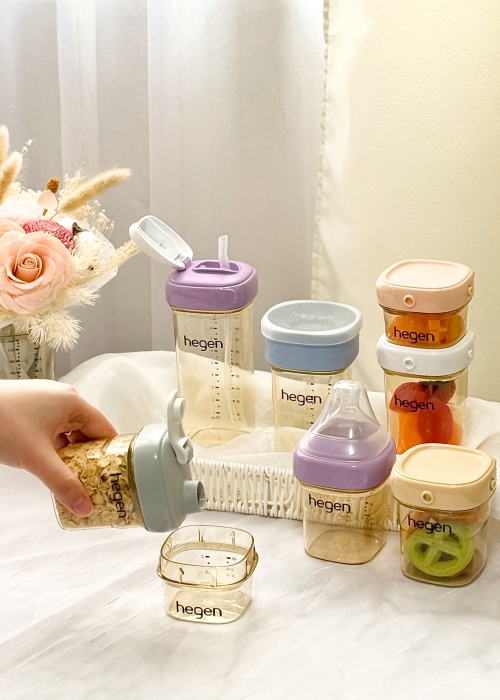
It’s a thoughtful approach for families who prefer baby essentials that remain useful beyond the newborn stage. The starter kit also makes a practical gift for expecting parents who are preparing for their little one’s arrival.
Remember, Every Baby Feeds Differently
Your baby might take the bottle on the first try, or it could take several attempts. Some feeds will feel effortless, while others might involve a little fussing, spilled milk or an unexpected change of plans.
And that’s perfectly normal.

Rather than worrying about getting every feed right, focus on understanding your baby’s cues, finding a comfortable routine and choosing feeding essentials that work for your family.
After all, feeding isn’t just about nourishment. It’s also an opportunity to hold your baby close, respond to their needs and build a connection, one feed at a time.
Begin your feeding journey with confidence, supported by Hegen. Discover more at www.hegenmalaysia.com.