




The conversations often begin well before your child finishes preschool. One parent is considering early enrolment. Another has signed their child up for extra classes. Someone mentions that their child is already reading independently.
Even when your own child seems happy and is making good progress, it is easy to start wondering whether you should be doing more.You hope they will be able to speak up when they do not understand, make friends they feel comfortable with and keep up with lessons.
With earlier school entry now an option, deciding when your child is truly ready can feel like an even bigger decision.
Looking beyond reading, writing and numbers to the skills children use throughout the school day can help parents make that choice with greater confidence.
When Starting School Feels Like a Bigger Decision
From 2027, Malaysia offers voluntary Year 1 entry to children in the six-year-old cohort. For some families, this brings the decision about primary school forward. Hearing that friends or classmates are enrolling earlier can also create pressure to consider whether their own child should do the same.
Further ahead, Matriks Pembelajaran Tahun 4 (MPT4), the Year 4 learning assessment, has also brought greater attention to the foundations children build during their early years. The assessment is intended to identify learning needs so that schools can provide more focused support.
For parents, these developments put an important question into focus: What does being ready for school actually look like?
What Helps a Child Feel Ready for Primary School?
School readiness can show up in very ordinary moments.
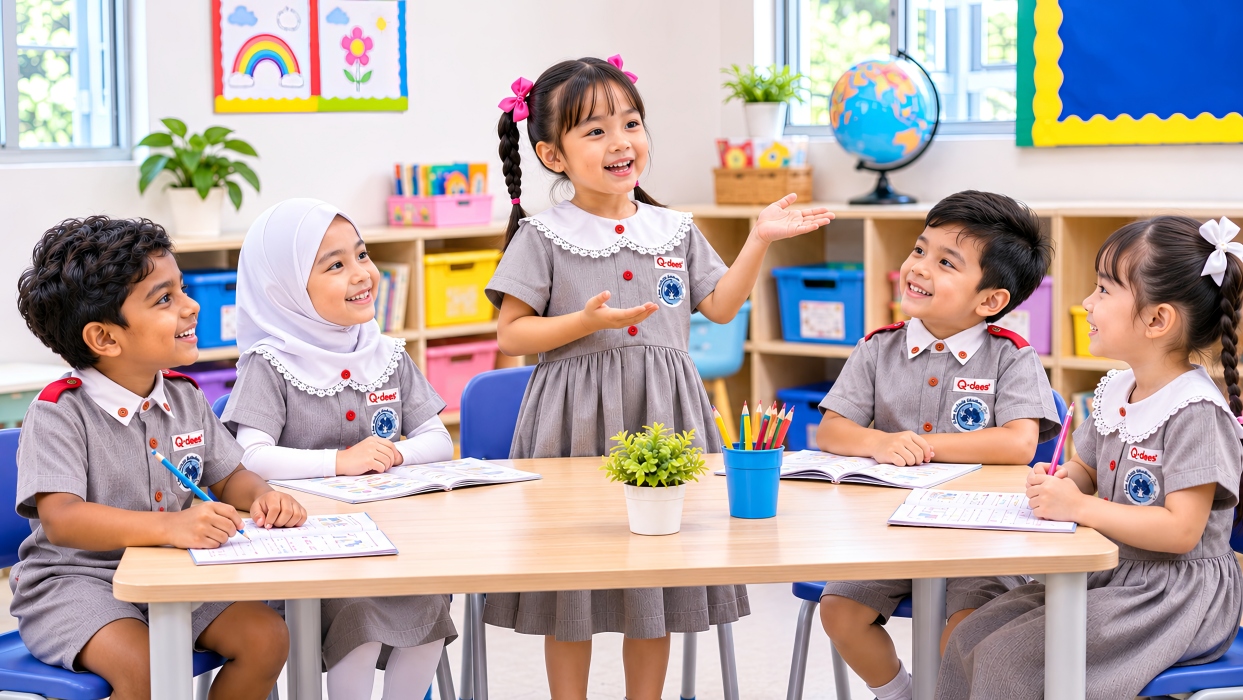
A child explaining why their block tower fell is learning to organise their thoughts. Following instructions during a game requires listening and attention. Telling an adult that they are upset means recognising an emotion and finding the words to express it.
These are all abilities children will draw on once they enter a classroom.
Reading, writing and numeracy remain important, but readiness also involves being able to understand ideas, communicate, solve simple problems and keep trying when something feels unfamiliar.
The priorities outlined in Kurikulum Prasekolah 2026 (KP2026) reflect this broader picture, bringing together foundational literacy and numeracy, thinking skills, social-emotional development and language confidence.
Instead of focusing only on what a child can already read or write, parents can also consider:
- Can my child explain what they need?
- What happens when they get stuck?
- Are they becoming more independent?
- Can my child explain how they worked something out, in their own words?
If you’re weighing early entry, ask your child’s preschool teacher how they manage everyday routines, join group activities and ask for help when they get stuck.
Making Learning Feel Familiar
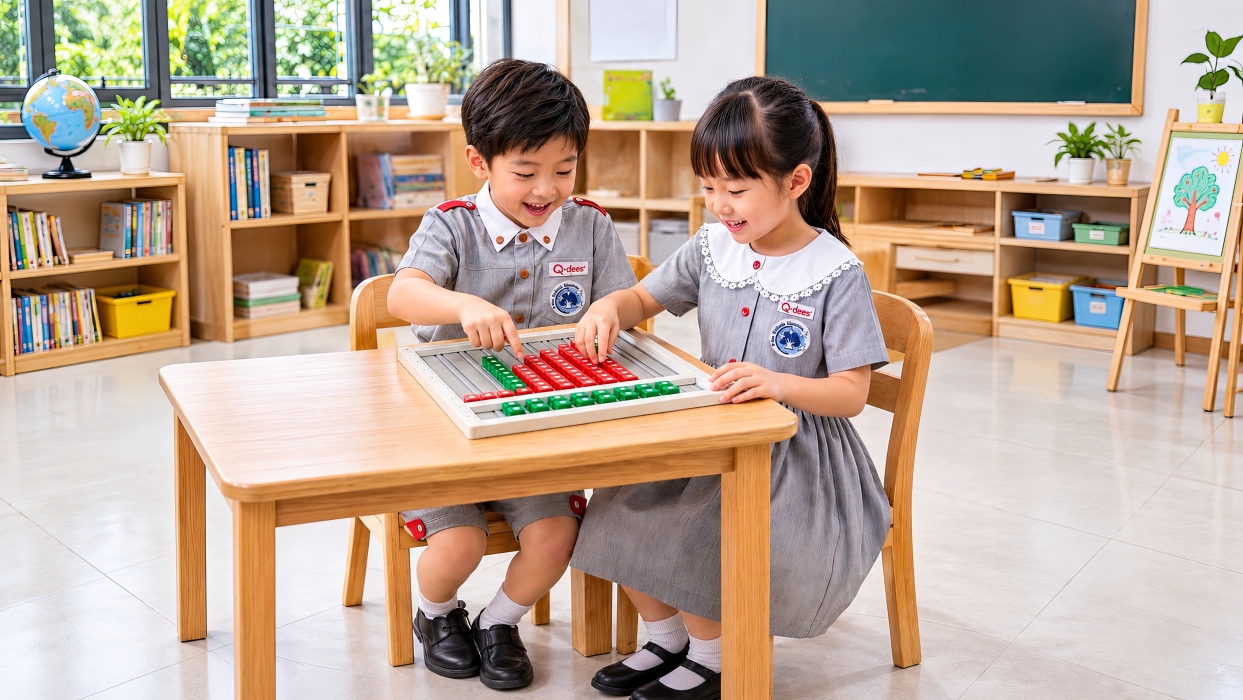
At Q-dees, these foundations are supported through its Link and Think Methodology, which uses stories, songs, characters and interactive materials to help children connect new concepts with things they already understand.
Its hands-on Mathsboard, for example, allows children to explore numbers, logic and patterns through active learning. Language activities build reading and communication skills, while group activities give children opportunities to listen, participate and interact with others.
Rather than simply memorising information, children are encouraged to make connections, express what they understand and become more comfortable approaching something new.
Support That Continues After Preschool
Primary school brings a new set of adjustments. Children encounter different subjects, teachers and homework routines, while parents begin navigating school hours, after-school care and a growing academic workload.
For some families, having continuity during this transition can make the adjustment easier.
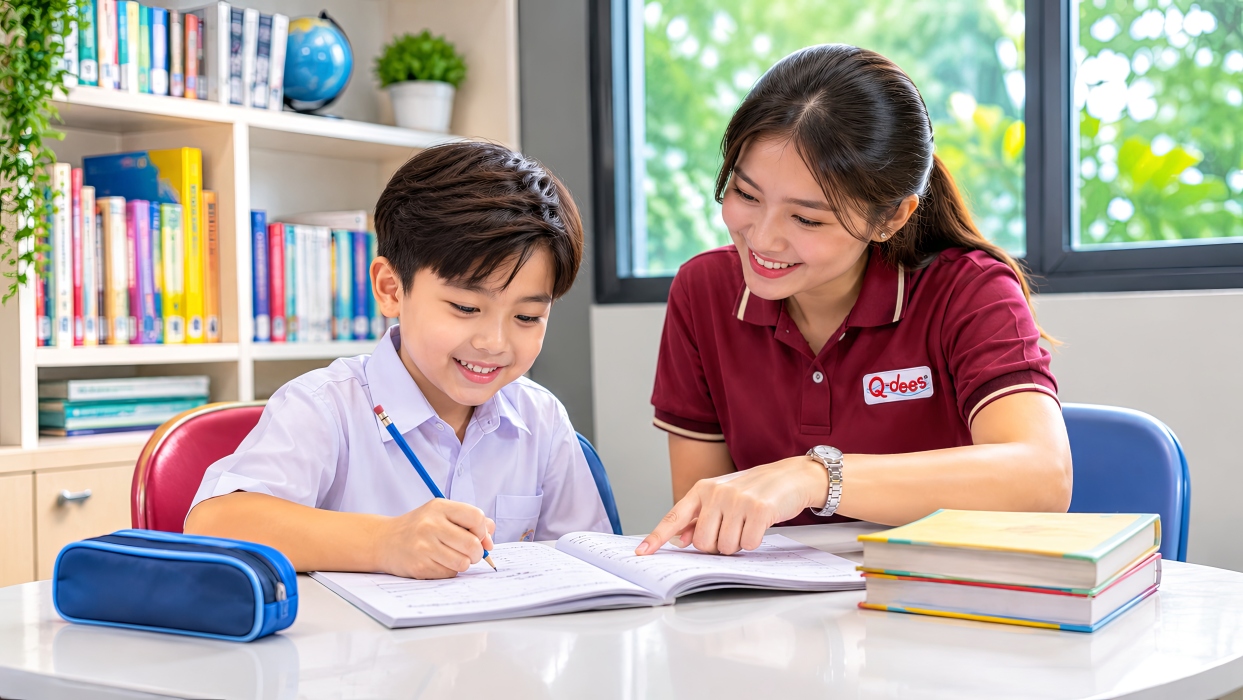
Launching in 2027, Q-dees Junior Academy will extend the brand’s support into the primary years through a before and after school care programme.
Its integrated preschool-to-primary pathway is designed to provide continued learning support as children encounter more challenging concepts.
Planned subjects include:
- ELT International English: Modules aligned with Cambridge English and Cambridge Preparation to support continued language development.
- IQ Maths: Activities focusing on logical thinking, understanding and higher-order thinking skills (HOTS), benchmarked against Singapore and global mathematics approaches.
- Bahasa Malaysia: Building national language proficiency for stronger understanding and communication.
- Alam dan Manuasia: Learning aligned with the latest 2027 syllabus.
- Mandarin: Language development with preparation for the Hanyu Shuiping Kaoshi (HSK) Chinese proficiency examination.
Bringing learning support and care together can also give children more opportunities to strengthen areas they find difficult while adjusting to the routines of primary school.
Taking the Next Step with Confidence
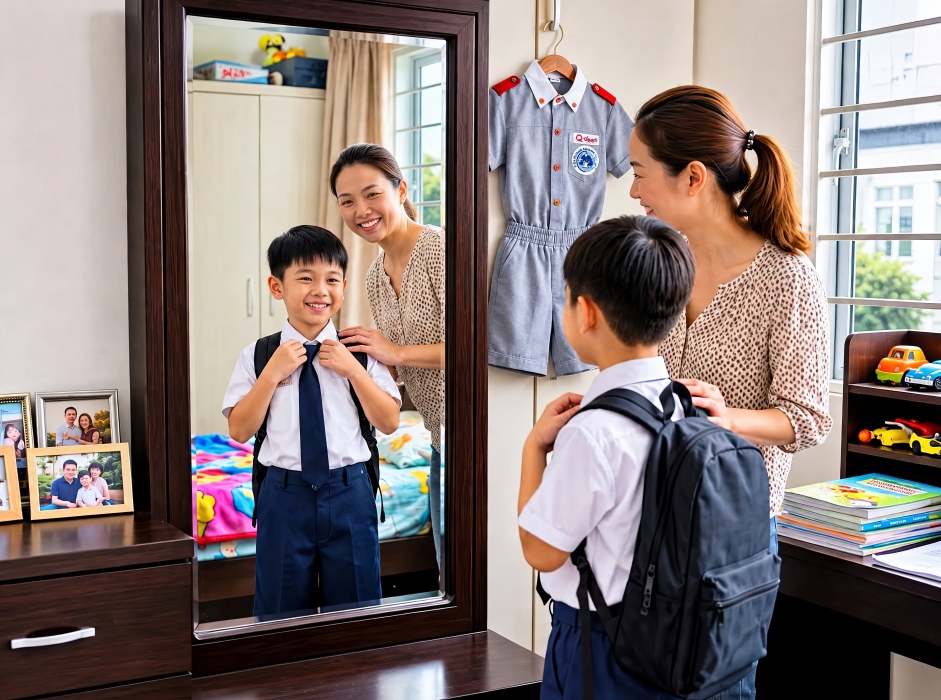
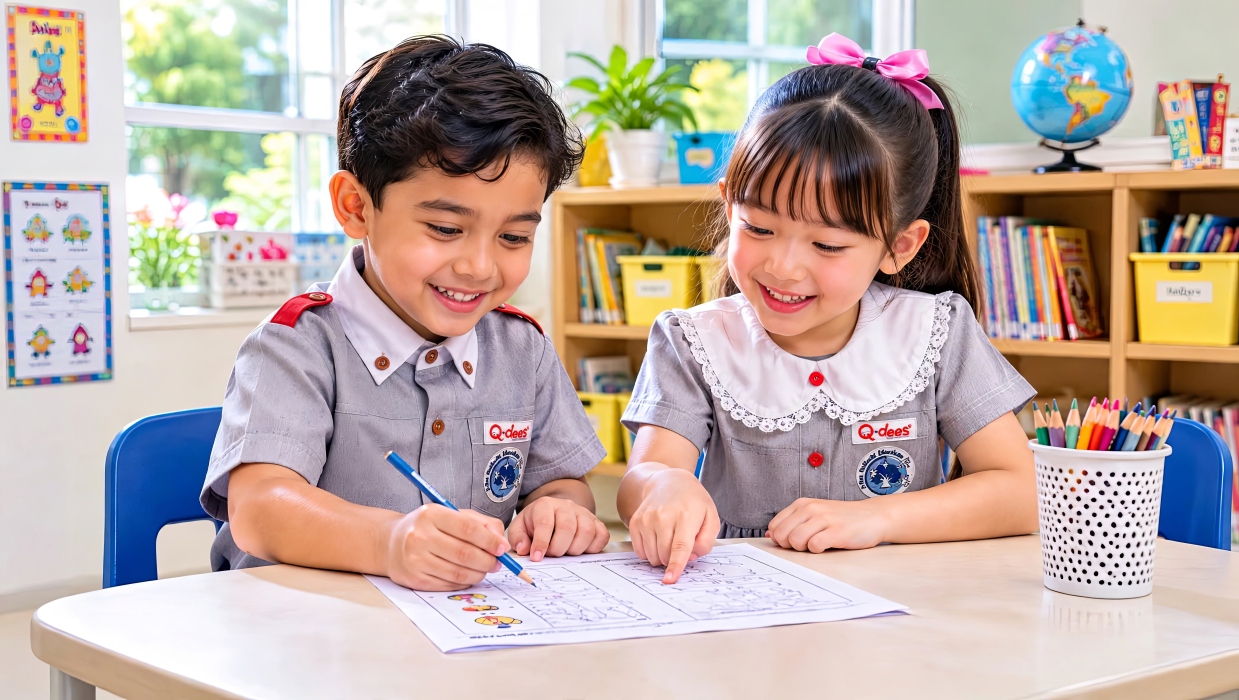
“Will my child be okay?” may not disappear the moment they put on their first primary school uniform.
But reassurance often comes through much smaller moments.
They come home talking about a new friend. They excitedly explain something they learnt in class. Or one day, after struggling with an assignment, they simply tell you, “I asked my teacher.”
Those moments are reminders that school readiness is not only about how much a child knows before they enter the classroom. It is also about giving them the confidence, communication skills and foundations to keep learning once they are there.
And whichever year your child begins, having the right support along the way can help make that next step feel a little less daunting for both of you.
Explore Q-dees’ preschool programmes and find out more about the upcoming Q-dees Junior Academy at www.q-dees.com.