



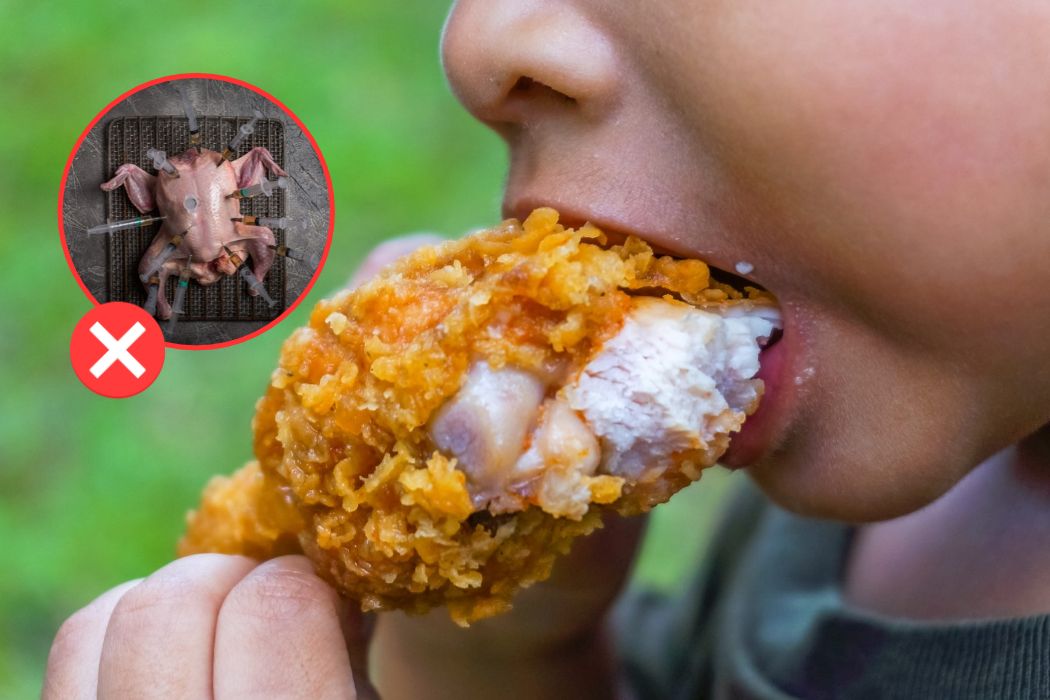


Chicken soup when the kids are unwell. Chicken porridge for the little ones. A quick stir-fry when dinner needs to be on the table in 20 minutes.
For many Malaysian families, chicken is a weekly staple. It’s affordable, versatile and something even the pickiest eaters are often happy to have on their plates.
But here’s a question we don’t often ask: Do we know how the chicken we feed our families is raised?
As parents become more mindful of what goes into their children’s meals, there’s growing interest in understanding where food comes from, what animals are fed and how farming practices can influence the choices available to consumers.
And when it comes to chicken, there’s more to consider than just the cut or price.
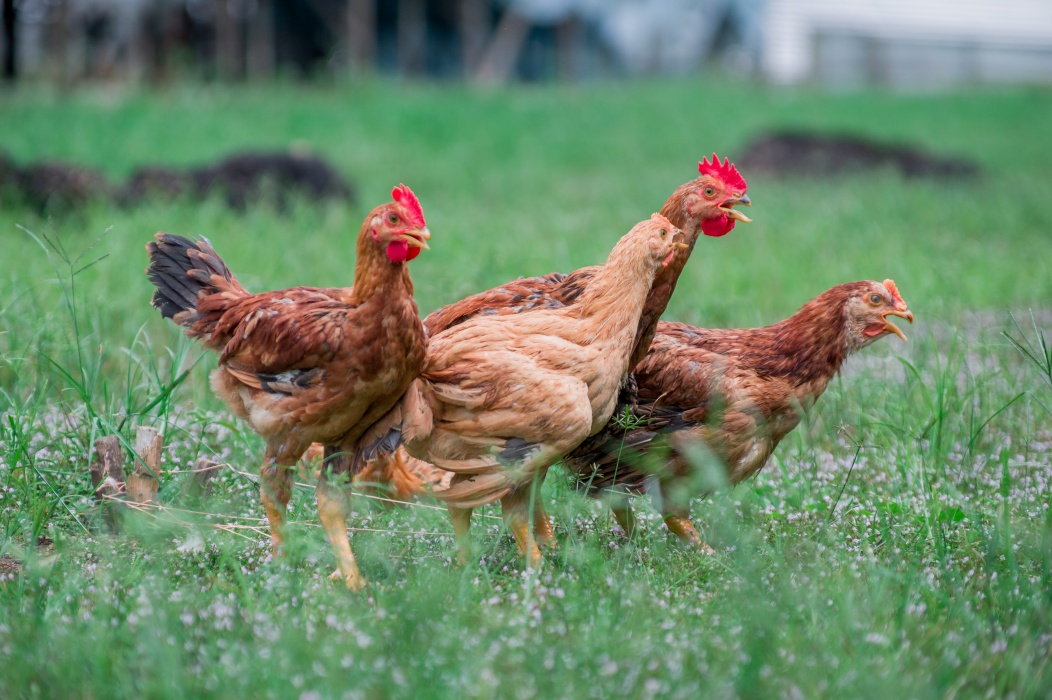
What Should Parents Look for When Buying Chicken?
Chicken is a good source of protein, an essential nutrient that supports children’s growth, muscle development and tissue repair. It also provides nutrients such as B vitamins, iron and zinc.
However, not all chicken products are the same.
The cut of meat, whether the skin is included and how it is prepared can all affect the nutritional value of a meal.
For example, skinless chicken breast is generally leaner than chicken thigh with skin, while steaming, grilling or roasting typically requires less added oil than deep-frying.
Beyond nutrition, parents may also want to consider how the chickens are raised, what goes into their feed and whether the producer follows responsible farming practices.
These are some of the considerations behind a rather interesting innovation in Malaysia’s poultry industry: pineapple-fed chicken.
Pineapple-Fed Chicken? Here’s What That Actually Means
It might sound unusual, but pineapples are playing a role in how some chickens are raised in Malaysia.
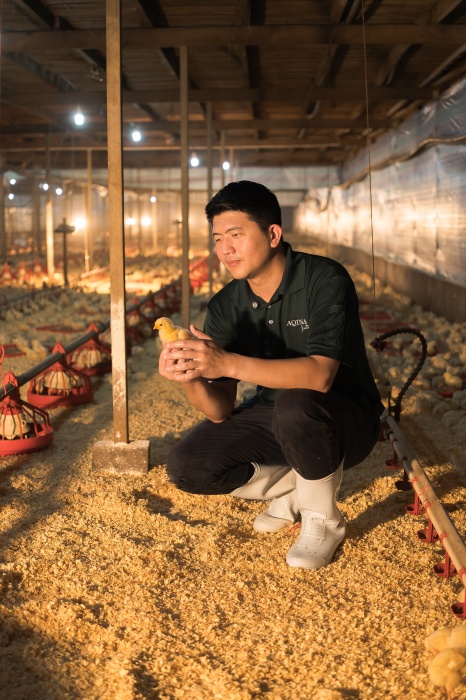
Local poultry producer AQINA Farm has developed its Pineapple Chicken range using a specially formulated chicken feed enriched with pineapple-derived enzymes.
Instead of feeding whole pineapples to chickens, AQINA processes MD2 pineapples grown on its own plantation into nutritional supplements that are incorporated into the chickens’ diet.
The company says this approach supports healthy chicken growth while producing meat that is juicier and more tender.
AQINA also describes its Pineapple Chicken as lower in fat and calories, with chickens raised without the use of antibiotics or growth hormones.
For parents, these features may be worth considering when comparing poultry options. However, nutritional differences are best assessed through verified product information, particularly when comparing different cuts and preparation methods.
A Farming Cycle That Makes Use of Pineapples and Chicken Waste
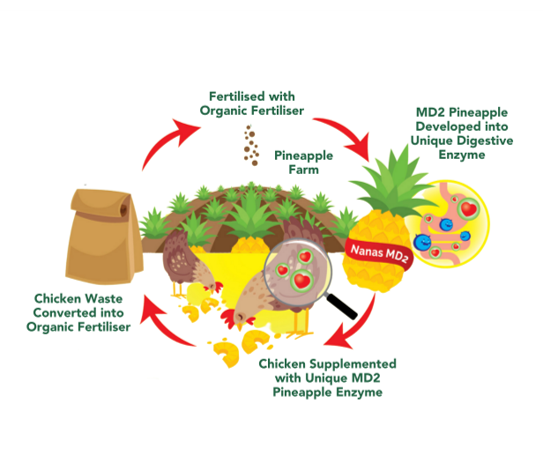
What makes AQINA’s approach particularly interesting is how its pineapple plantation and chicken farm work together.
Rather than operating as two completely separate farms, AQINA has developed a circular farming system where resources from one operation are used to support the other.
It begins at the chicken farm, where chicken manure is processed into organic fertiliser. This fertiliser is then used to improve soil quality at AQINA’s plantation, where MD2 pineapples are grown.
The harvested pineapples are subsequently processed into enzyme supplements that become part of the chickens’ feed.
The result is a continuous cycle connecting poultry farming with pineapple cultivation.
According to AQINA, this approach also helps reduce odour associated with chicken waste once it is converted into organic fertiliser, while supporting more efficient use of agricultural resources.
For families who are increasingly conscious of sustainability, it’s an example of how food production can go beyond simply raising animals for consumption.
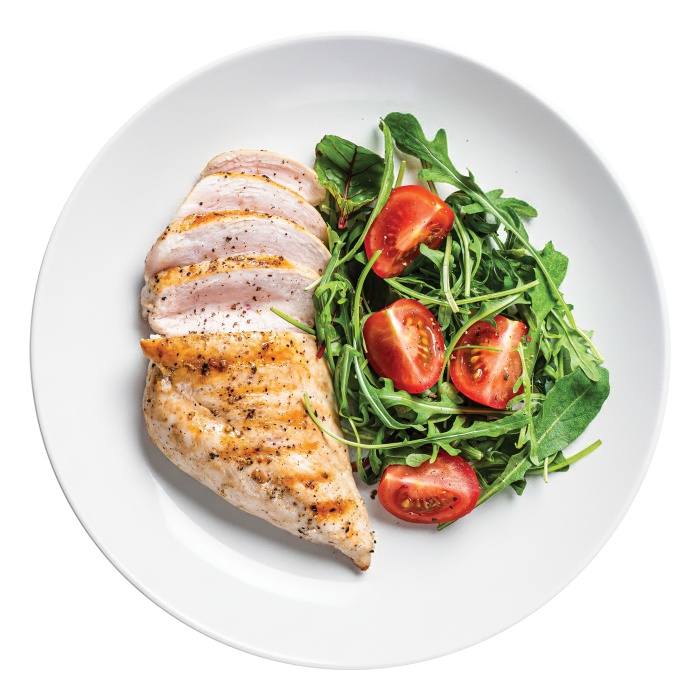
Tender Chicken Can Make Family Meals Easier Too
Nutrition aside, there is another consideration most parents understand very well: will the kids actually eat it?
Texture can make a surprisingly big difference, particularly for younger children who may struggle with dry or chewy pieces of meat.
AQINA describes its Pineapple Chicken as having juicier and more tender meat, attributes it associates with its pineapple-enzyme feeding process.
That versatility can make it suitable for familiar family dishes such as:
- chicken porridge for younger children
- chicken and vegetable soup
- roasted or air-fried chicken
- stir-fried chicken with vegetables
- chicken rice
- mild curries or stews
Parents can also keep meals lighter by removing visible skin and fat where appropriate and choosing steaming, roasting, grilling, braising or air frying more regularly, in line with Ministry of Health recommendations.
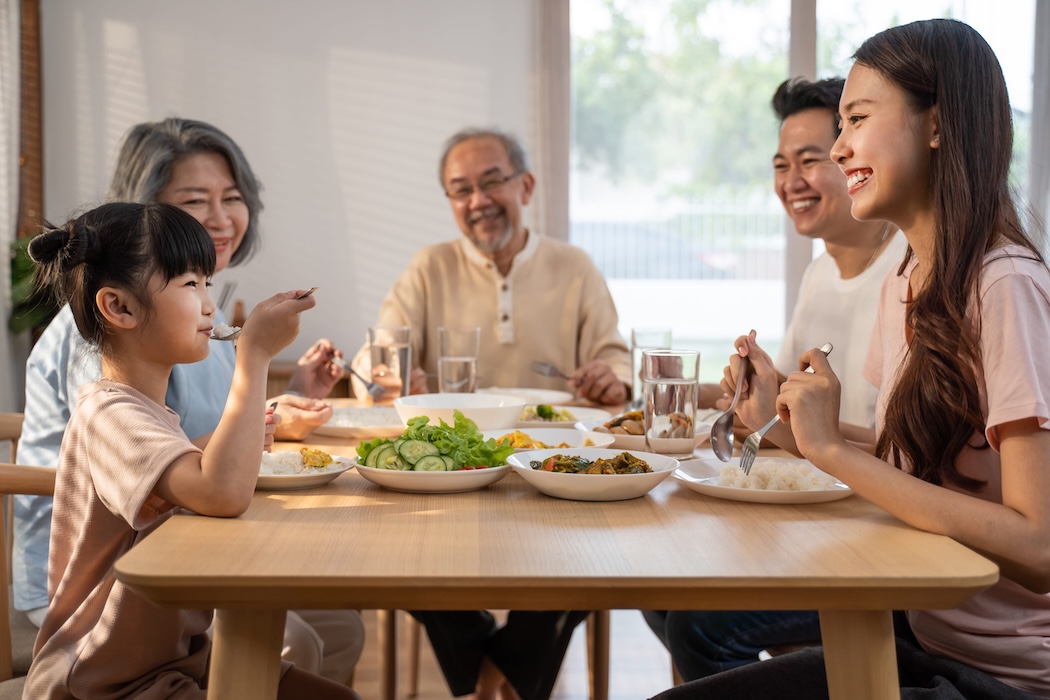
Small Choices Can Make a Difference at the Family Table
Parents don’t need to overhaul their entire grocery list to make more informed food choices.
Sometimes, it starts with asking a few simple questions. Where does this food come from? How is it produced? What makes it different from the other options available?
For families interested in exploring alternatives, AQINA Pineapple Chicken offers a locally developed option that brings together pineapple-enzyme feed supplementation, a focus on meat quality and a circular farming approach.
It’s also a reminder that the food we serve our children has a story long before it reaches our kitchens. Because while we can’t control every ingredient our children will eat, we can take a little more care with the everyday choices we make for them.
Learn more about AQINA Pineapple Chicken at www.aqinafarm.com.