



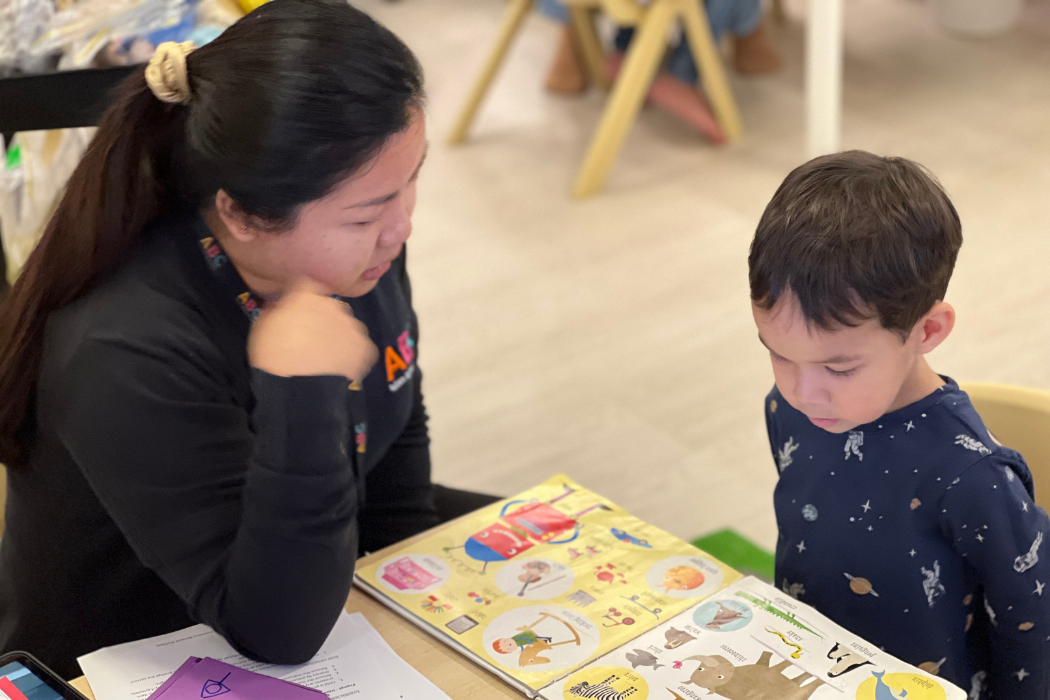


Getting dressed for preschool. Asking for a favourite snack. Joining a game with another child. These everyday moments can mean a great deal to a family whose child is learning to navigate them.
Parents often notice the details: what helps their child feel comfortable, which activities hold their attention and when frustration begins to build. Alongside those observations come questions. Why does this feel difficult for my child? What could help? Where do we begin?
Meaningful support starts with understanding that child, including their strengths, how they communicate and what they need to participate more comfortably in daily life.
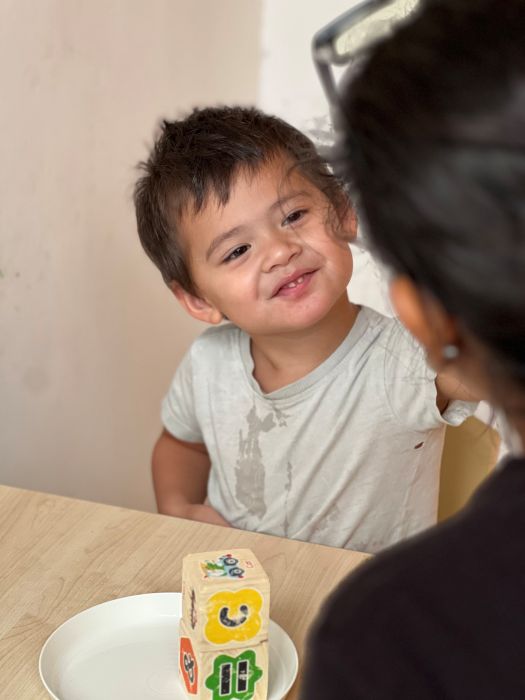
Understanding Your Child’s Development
Autism is a spectrum, with abilities and support needs that vary between individuals. A child may communicate confidently and find changes in routine difficult. Another may enjoy playing with others and need help expressing their needs.
Developmental differences can involve communication, learning, social interaction, behaviour, sensory processing and independence. Looking at these areas together helps build a fuller picture of the child, including their strengths, interests and everyday experiences.
Why Early Support Matters
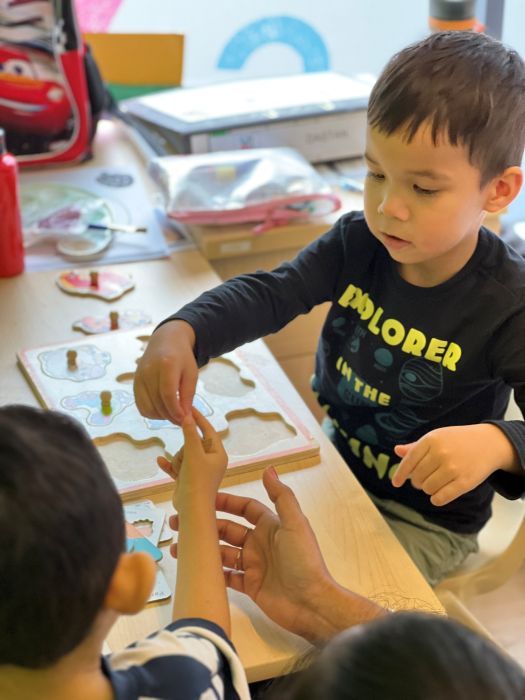
Early intervention creates opportunities to develop communication, social interaction, play and everyday skills during the early years. It can also support behaviour, self-care and readiness for school, with goals suited to the child’s development.
At Autism Behavioural Centre (ABC) Malaysia, the Early Intervention Programme supports young children with developmental and learning needs. Children may begin with individual sessions and move towards small-group learning when appropriate.
This progression allows them to practise skills such as participating in shared activities and becoming familiar with classroom routines, according to their readiness.
A Programme Shaped Around the Child
Children can share a diagnosis and have very different learning profiles. Their communication styles, sensory needs, abilities and family routines all influence what support will be useful.
An individualised programme considers these details when setting goals. For one child, a priority might be communicating discomfort. For another, it could be managing the steps involved in getting dressed.
At ABC, each child’s programme is guided by an Individualised Education Plan (IEP) that considers their abilities, developmental needs and goals. Families help identify priorities, keeping intervention connected to everyday life.
What Individualised ABA Looks Like
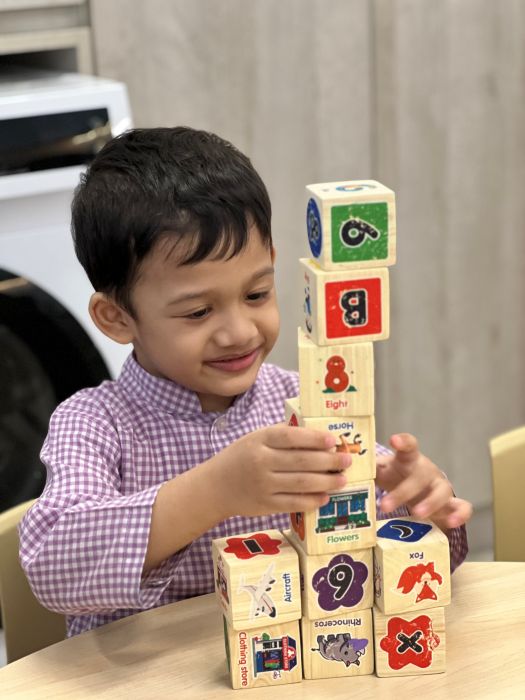
Applied Behaviour Analysis (ABA) explores how learning and behaviour are influenced by the environment. It uses structured teaching, practice and feedback to develop skills, with progress tracked to inform support.
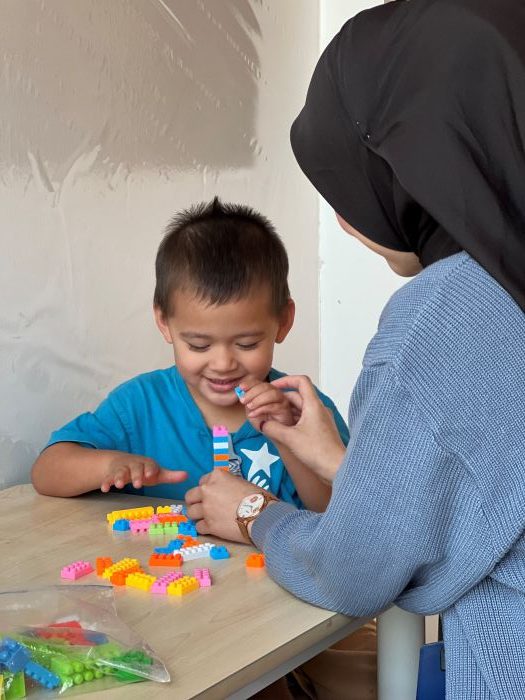
ABC provides personalised 1:1 ABA intervention targeting areas such as communication, play, social interaction, independence and school readiness.
Dedicated therapy rooms help minimise distractions during individual learning. Mock classrooms provide opportunities to practise skills in settings that resemble group learning, supporting preparation for classroom experiences.
Supporting Different Areas of Development
A child’s needs may involve several areas, making access to complementary disciplines valuable. Alongside ABA, Autism Behavioral Center (ABC) Malaysia offers:
- Speech therapy, supporting speech, language and communication.
- Occupational therapy, addressing participation in daily activities, including relevant sensory and motor needs.
- Diagnostic assessment and evaluation, helping clarify developmental needs and inform recommendations.
- Adaptive fitness, providing physical activity adapted to individual abilities.
Families can discuss which services suit their child and how these can contribute to shared developmental goals.
Bringing Parents and Schools Into the Picture
Parents know the routines, preferences and situations that shape their child’s day. Their observations help therapists understand where support is needed and how skills are being used at home.
ABC offers parent training and guidance, alongside school consultation and School Shadow Aide / PLA support. Collaboration helps families, therapists and teachers use consistent strategies while responding to the demands of each setting.

Supporting Progress That Matters
Founded in 2016, ABC Malaysia, winner of Best Autism Intervention Clinic at the Parents’ Choice Awards 2026, brings together individualised intervention, multidisciplinary services and family involvement, with programmes supervised by Board Certified Behavior Analysts (BCBAs) or Qualified Behavior Analysts (QBAs).
Its approach focuses on skills that matter in everyday life, from asking for a break to joining an activity or completing a familiar task. Each child progresses at their own pace, with support shaped around their needs and growing independence.
To discover what this could look like for your child, arrange a consultation, assessment or centre tour at www.abcautism.com.my.