



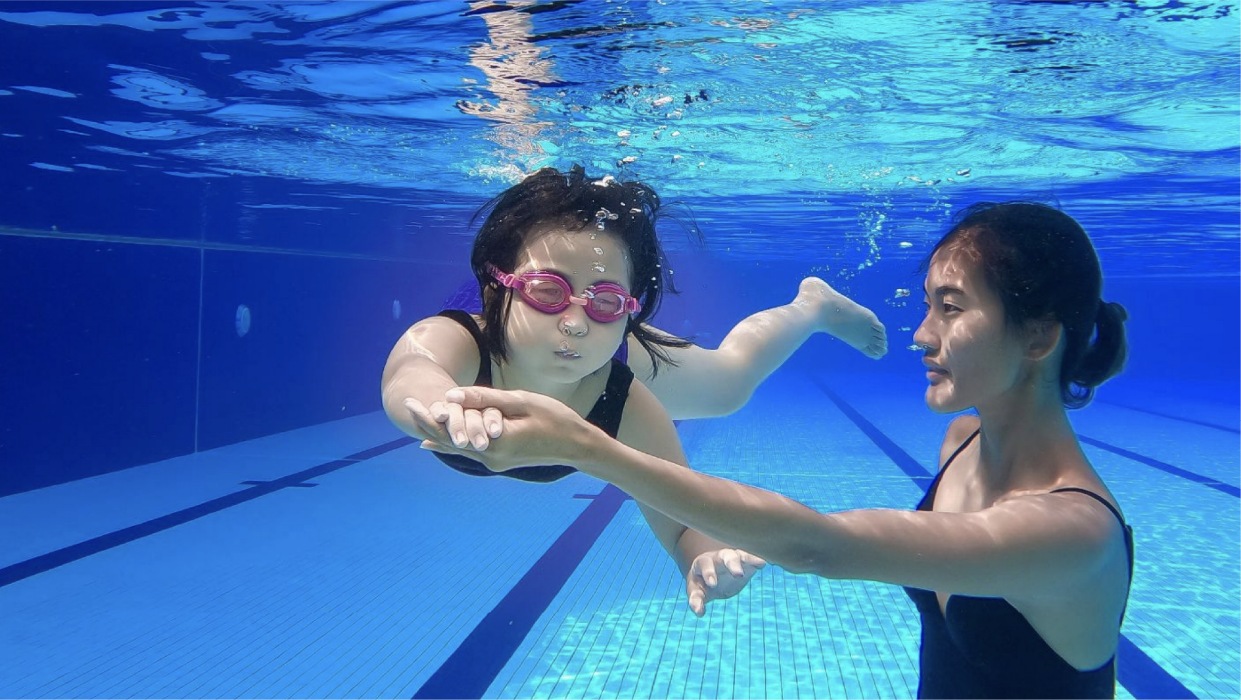


Your child happily packs their swimsuit, chooses their goggles and talks about going swimming. Then you reach the pool. Their grip tightens around your hand. They fall quiet, cling to your leg or ask to go home.
It can leave you wondering what changed. A useful place to begin is with a gentle question: “What feels worrying about getting into the water?”
Fear of water can feel different for every child. Swimin12 has spent 17 years helping more than 12,000 swimmers learn, identifying 17 root causes of water fear through its experience. The recipient of the 2026 Parents’ Choice Award for Best Swim School for Children for the third consecutive year, places understanding these fears at the heart of its coaching.
What Feels Frightening to Your Child?
A swimming pool brings unfamiliar sounds, sensations and expectations. A child may struggle to explain exactly which part feels overwhelming.
For example, one learner might worry about water touching their face. Another may feel uneasy when their feet leave the pool floor. A previous frightening experience could make entering the water difficult, while fear of getting something wrong may leave another child reluctant to attempt an activity.
These possibilities call for careful observation and conversation. When does the child hesitate? What helps them settle? Are they comfortable splashing but anxious about floating?
Understanding these details helps a coach choose an appropriate starting point. It also gives parents something specific to discuss when looking for swimming lessons for children.
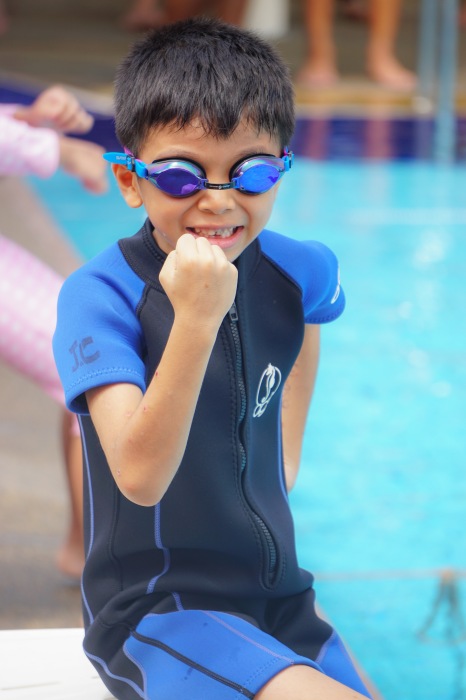
Confidence Grows Through Small Wins
For a hesitant learner, progress might begin with entering the water calmly. Later, it could mean exhaling into the water, recovering their balance or feeling ready to try an activity again.
Swimin12 uses targeted, progressive activities to help children experience safety, control and achievable success. Each manageable step gives the learner something to build on.
A child worried about getting their face wet, for instance, may need time to become comfortable with that sensation through gradual, supported practice. Someone anxious about making mistakes may benefit from a manageable task and encouragement that recognises their effort.
Small wins can help a child approach the next attempt with greater willingness. Over time, these experiences offer opportunities to practise patience and resilience, qualities they can carry beyond the pool.
Parents can acknowledge that progress in simple, specific words: “You tried again today,” or “You looked more comfortable getting in.”

The Person Beside Them Matters
Working sensitively with water fear and water phobia takes attentive communication. A coach needs to notice hesitation, listen to the learner and respond at a pace they can manage.
Swimin12’s coaches complete a 120-hour qualification pathway before being assigned students. Training covers theory, practical instruction, learning psychology, fear management, observation, hands-on training, lifeguarding and an internship, alongside professionalism and etiquette.
This preparation supports child-centred coaching, with trained swim coaches learning to recognise the individual needs behind a swimming challenge. Low student-to-coach ratios in beginner classes also allow closer attention and personalised support.
As learners progress, Swimin12’s structured methodology brings together water confidence, swimming technique, energy-efficient movement and practical water-safety skills.
What Should Parents Look For?
When choosing a swim school, a few questions can help you understand how your child will be supported:
- How does the coach respond to hesitation? Ask how they explore a child’s concerns and adapt activities.
- What counts as progress? Look for achievable milestones that recognise the child’s starting point.
- How are coaches prepared? Ask about training in communication, fear management and water safety.
- How much attention will beginners receive? Find out about class sizes and support for learners who need more time.
For children aged four and above, Swimin12’s Monthly Programme provides a structured pathway for learning. A conversation about your child’s current comfort level can help you explore where to begin.
To speak with the team, WhatsApp Swimin12 at +60 12-425 3600, or visit swimin12.com and select Book a Trial.