





You are tired all the time. Your sleep is a disaster. Your joints ache as if you suddenly aged 20 years overnight. Your mood is all over the place, and your family has quietly started tiptoeing around you. And your period? It shows up whenever it feels like it, completely unannounced, like a relative who never RSVPs.
Sounds familiar? You might be in perimenopause. And here is the uncomfortable truth: most women have absolutely no idea it is happening to them.
So, What Exactly Is Perimenopause?
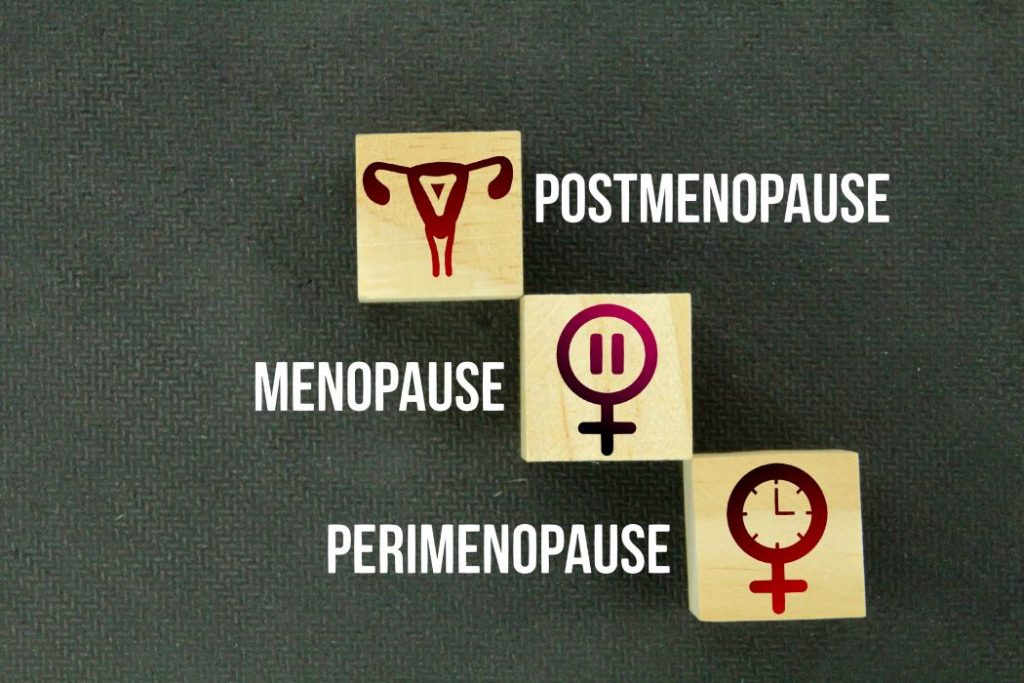
Think of it as the opening act before menopause. It is the transition phase your body goes through as your oestrogen levels begin to shift and fluctuate, sometimes quite dramatically, before they eventually taper off for good. Menopause itself is technically just one day: the point where you have gone 12 consecutive months without a period. Everything leading up to that? That is perimenopause, and it can last anywhere from a few years to over a decade.
Yes, a decade.
In Malaysia, the average age of menopause is around 50.7 years. Which means perimenopause could realistically start making itself known in your early-to-mid 40s. Some women, unfortunately, experience it even earlier, a phase known as early menopause if it happens between 40 and 45, or Premature Ovarian Insufficiency if it occurs before the age of 40. So if you are in your late 30s reading this and nodding along, please do not dismiss what your body might be signalling.
In Malaysia, the average age of menopause is around 50.7 years. Which means perimenopause could realistically start making itself known in your early-to-mid 40s.
What Does It Feel Like?
Here is where it gets a little overwhelming, and honestly, a little unfair. Perimenopause does not arrive with just one or two polite symptoms. It comes with an entire buffet of them, and not every woman gets the same selection.
Hot flushes and night sweats are the ones everyone tends to associate with “the change.” But they are far from the whole story. You might also experience:
- Brain fog
- Mood swings
- Sleep disturbances
- Joint pain
- Irregular periods
- Vaginal dryness
- Low energy
- Skin sensitivities
- Digestive issues
- Weight gain
A recent study published in the journal Climacteric by Dr Premitha Damodaran, Consultant Gynaecologist and Women’s Health Specialist at Pantai Hospital Kuala Lumpur, surveyed 1,825 working women in Malaysia aged 40 to 60.1 The most commonly reported symptoms were not hot flushes, as most people would assume, but generalised joint pain, sleep disturbances, and brain fog. Hot flushes came in much further down the list.
The research also found that Indian women reported the highest prevalence of symptoms, with a nearly three times higher likelihood of experiencing four or more symptoms compared to Chinese women.
The takeaway? Perimenopause looks very different from woman to woman, and from one community to another. That is exactly why so many women miss it entirely, or worse, chalk it all up to stress and push through.
Why Does It Matter Beyond The Discomfort?
The hormonal changes happening during this phase carry real, long-term consequences for your health that go well beyond mood and sleep.
Lower oestrogen means you start losing muscle mass, which slows your metabolism and leads to more fat accumulation, particularly around the abdomen. Your cholesterol profile shifts. Your risk of metabolic syndrome, a cluster of conditions including high blood pressure, high cholesterol, and diabetes, actually starts peaking at late perimenopause and continues thereafter.
According to a 2019 UCLA-led study published in JCI Insight, which tracked 18 years of data from thousands of women, the rate of fat gain doubles from the onset of perimenopause until two years after menopause, while lean muscle mass declines at the same time.2
Your bones also begin to lose density during this period, increasing the long-term risk of osteoporosis. And cardiovascular risk? It quietly climbs too, partly because oestrogen has always been quietly working to protect your heart, and now it is stepping back.
Then there is the below-the-belt side of things that nobody really talks about at lunch: changes to vaginal tissue, bladder function, and pelvic floor health that can meaningfully affect your daily comfort and intimacy if left unaddressed.
None of this is meant to frighten you. It is meant to make sure you are not caught off guard.
The Silence We Really Need To Break
Here is the part that needs to be said out loud. Many women in Malaysia are going through all of this completely alone. Perimenopause remains a deeply under-discussed topic, not at family dinners, not in the workplace, and often not even at the doctor’s office.
Women are quietly managing symptoms they do not fully understand, assuming it is just stress, ageing, or life catching up with them. Some are made to feel like they are being dramatic or oversensitive.
They are NOT.

What Can You Actually Do?
The good news is that support exists, and it is more accessible than many women realise. Options fall into three broad categories, depending on your personal health profile and how significantly your symptoms are disrupting your life:
Lifestyle Changes:
- Eating well and maintaining a balanced diet
- Staying active with the right types of exercise
- Prioritising sleep hygiene for better rest
- Staying socially connected with family and friends
- Avoiding risky substances like alcohol, smoking, and caffeine
Non-hormonal:
- Cognitive behavioural therapy (CBT) to help manage mood-related symptoms
- Herbal therapies as a natural alternative for milder symptoms
- Vaginal moisturisers and lubricants for comfort and intimate health
- Antidepressants, when prescribed specifically for symptom management
Hormonal:
- Menopausal Hormone Therapy (MHT) is safe for younger, healthier women within 10 years of menopause whose quality of life is genuinely affected.

The single most important first step, though, costs nothing. It is simply having the conversation. With your doctor. With your friends. With the women in your life who might be going through the same thing and have no idea.
You are not at fault for what your body is going through. You should not feel guilty for asking for help. And you absolutely deserve to understand what is happening inside you so that you can make informed decisions about your own health.
That conversation starts now.
This article was written based on a talk by Dr Premitha, Consultant Gynaecologist and Women’s Health Specialist, at the What Women Want For Health – “Sip and Share” event.