





If you’re a newly married couple and are planning to delay having a baby to secure financial stability, careers and other goals, you might be looking for a safe birth control method.
Or maybe you’re a new mum who just had a baby who’s thinking about a birth control option knowing that fertility can return as quickly as two weeks after delivery, particularly if you’re not breastfeeding. To prevent unwanted pregnancy, birth control methods are something you’re looking into.
But with so many options, how do you know which birth control method is safe for you and your partner? Here’s a mum-friendly guide that will help you make that decision.
Natural Birth Control

Some of you might prefer to use only natural birth control simply because you want to avoid potential side effects caused by pills or other contraception methods.
While others want to do something that they have complete control over without relying on a doctor’s prescriptions. So, what are the natural contraception methods?
- Natural Family Planning – This involves tracking your menstrual cycle over several months by taking your basal body temperature daily to pinpoint the slight rise in temperature that occurs during ovulation, and the cervical mucus method involves tracking the amount, consistency, and colour of mucus to determine highly fertile times of the month.
- Withdrawal Method – Just like natural family planning, the withdrawal method has no side effects, but its success lies in a couple’s amount of self-control in preventing unwanted pregnancy.
- Breastfeeding – The effectiveness of this method depends on women who exclusively breastfeed after giving birth for longer hours as these mums will experience natural postpartum infertility that can last around six months. If followed perfectly, it can be 98% effective in preventing pregnancy, or it cannot be relied upon for long by many couples if you supplement your baby’s diet with formula, or even if you pump.
Oral Contraceptives

Well, oral contraceptives contain combinations of the hormones estrogen and progestin or progestin alone. Combinations of estrogen and progestin prevent pregnancy by stopping the release of the hormones luteinizing hormone (LH) and follicle stimulating hormone (FSH) from the pituitary gland in the brain1.
LH and FSH play key roles in the development of the egg and preparation of the lining of the uterus for implantation of the embryo. Progestin also makes the uterine mucus that surrounds the egg more difficult for sperm to penetrate and, therefore, for fertilization to take place2.
So, if you are wondering if hormonal contraception has side effects, you’re probably right – the most common side effects of birth control pills include:
- Nausea
- Headache
- Breast tenderness
- Weight gain
- Irregular vaginal bleeding
- Mood changes.
Condoms
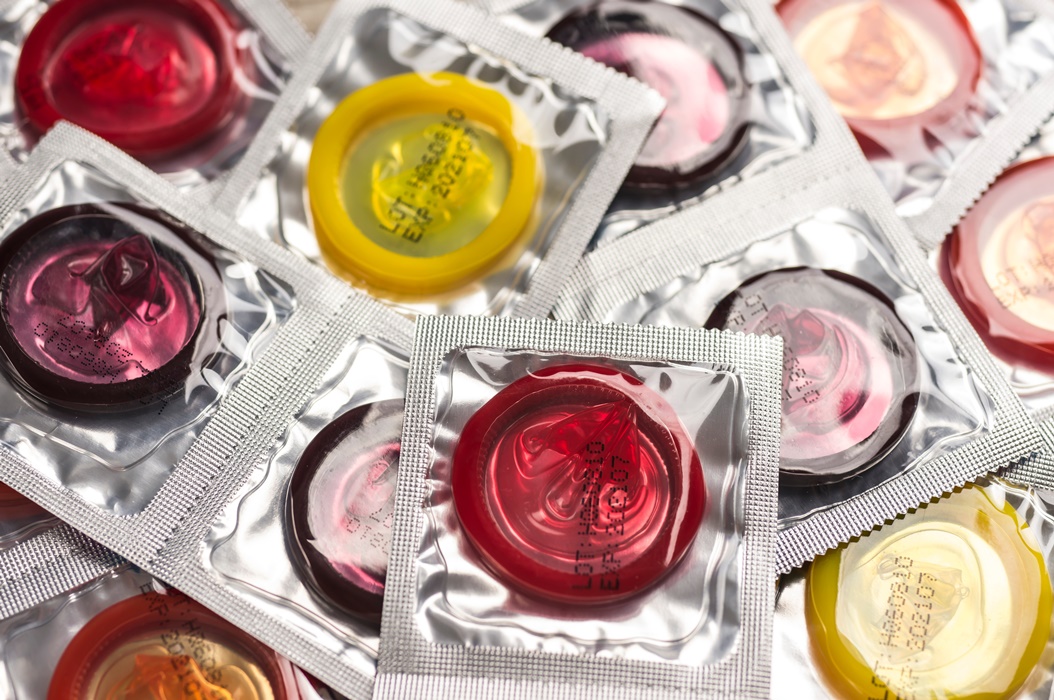
Condoms are the most effective method for preventing sperm from entering the vagina. They are made from very thin latex (rubber), polyisoprene or polyurethane and are designed to stop semen from coming into contact with your sexual partner. There are two types of condoms:
- External condoms – Worn on the penis called male condoms
- Female condoms – Worn inside the vagina
They are effective if used correctly every time you have sex but also bear in mind some people are allergic to latex condoms. If this is a problem, polyurethane or polyisoprene condoms are less likely to cause an allergic reaction.
Intrauterine Devices (IUD)
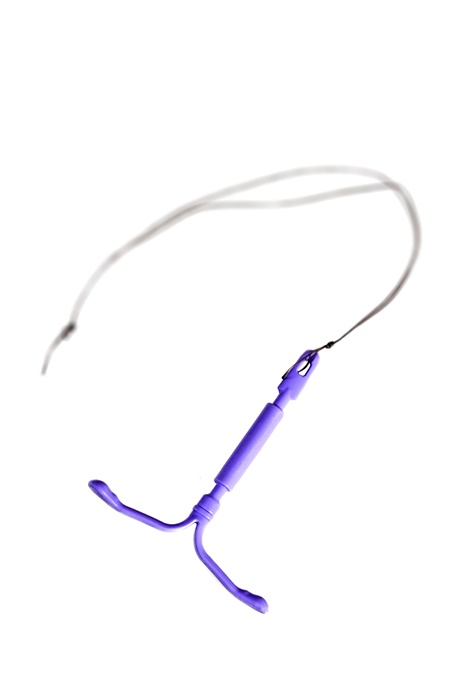
You may want to try the IUD as they are considered both effective and safe for most women. Plus, they are also long-lasting.
Shaped like a “T” and a bit bigger than a quarter, an IUD fits inside your uterus. It prevents pregnancy by stopping sperm from reaching and fertilizing eggs3. There are a few types of IUDs available:
- Liletta, Kyleena, Mirena, and Skyla – Tend to make your period lighter and may be a good option if you have heavy periods.
- ParaGard (also called the copper T IUD) – It’s hormone-free.
If you use an IUD correctly, your chance of getting pregnant is less than 1%.
Other Hormonal Contraceptives
There are other hormonal contraceptives to be used as well. Such as:

- The Patch – Works similarly to combination birth control pills. The birth control patch prevents pregnancy by releasing hormones into your bloodstream that keep your ovaries from releasing an egg (ovulation). The birth control patch also thickens cervical mucus to keep sperm from reaching an egg.

- The Vaginal ring – it is a small soft, plastic ring that you place inside your vagina that releases a continuous dose of the hormones oestrogen and progestogen into the bloodstream to prevent pregnancy. You can start using the vaginal ring 42 days after giving birth if you are breastfeeding.
- Injection (Depo-Provera) – is given as an injection every three months. Depo-Provera typically suppresses ovulation, keeping your ovaries from releasing an egg. It also thickens cervical mucus to keep sperm from reaching the egg.
Consult with your health care provider as soon as possible if you have any side effects or symptoms that concern you. It’s best to discuss with your gynae if you have diabetes, uncontrolled high blood pressure or a history of heart disease or stroke, and unexplained vaginal bleeding before you start on any barrier methods.