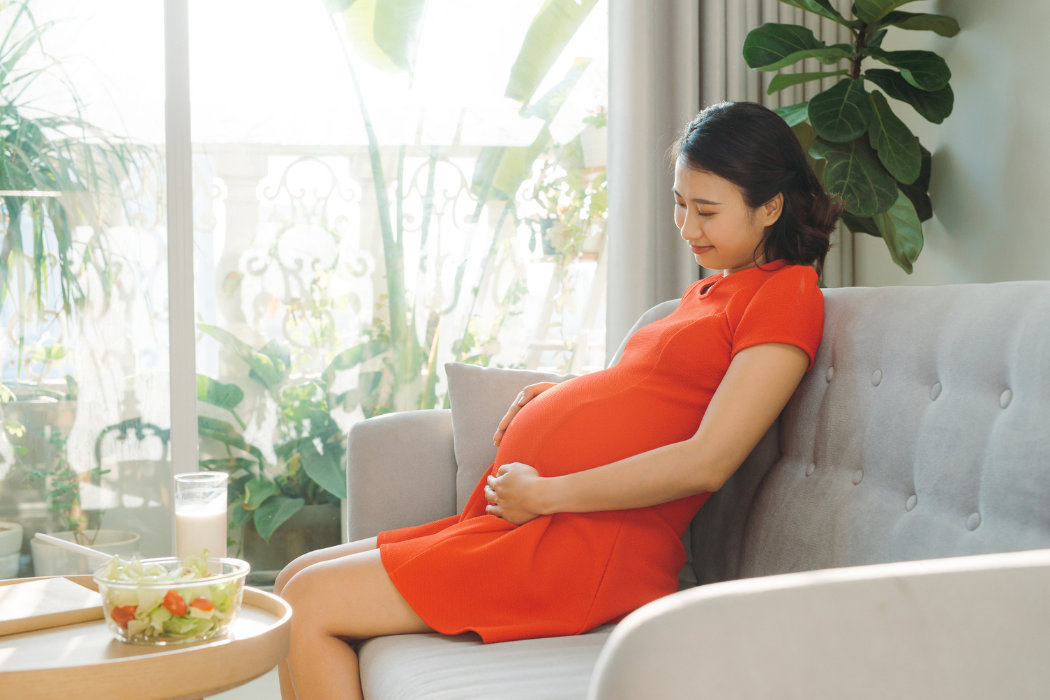
If you’re like most women, the pain of labour and delivery is one of the things that worry you about having a baby. This is certainly understandable because labour is painful for most women.
It’s possible to have labour with relatively little pain, but it’s wise to prepare yourself by planning some strategies for coping with pain. Planning for pain is one of the best ways to ensure that you’ll stay calm and be able to deal with it when the time comes.
Pain during Labour and Delivery
Pain during labour is caused by contractions of the muscles of the uterus and by pressure on the cervix. This pain may be felt as strong cramping in the abdomen, groin, and back, as well as an achy feeling. Some women experience pain in their sides or thighs as well.
Other causes of pain during labour include pressure on the bladder and bowels by the baby’s head and the stretching of the birth canal and vagina. Although labour is often thought of as one of the more painful events in human experience, it ranges widely from woman to woman and even from pregnancy to pregnancy. Women experience labour pain differently — for some, it resembles menstrual cramps; for others, severe pressure; and for others, extremely strong waves
that feel like diarrheal cramps.
It’s often not the pain of each contraction on its own that women find the hardest, but the fact that the contractions keep coming — and that as labour progresses, there is less and less time between contractions to relax.
Preparing for Pain
To help with pain during labour, here are some things you can start doing before or during your pregnancy:
Regular and reasonable exercise (that your doctor says is OK) can help strengthen your muscles and prepare your body for the stress of labour. Exercise also can increase your endurance, which will come in handy if you have a long labour. The important thing to remember with any exercise is not to overdo it — and this is especially true if you’re pregnant. Talk to your doctor about what he or she considers to be a safe exercise plan for you.
Some ways to handle pain during labour include:
hypnosis
meditation
massage or counterpressure
taking a bath or shower
distracting yourself by counting or performing an activity that keeps your mind otherwise occupied
yoga
walking
changing position
listening to music
Pain Medications
A variety of pain medications can be used during labour and delivery, depending on the situation. Talk to your doctor about the risks and benefits of each.
Analgesics. Pain medications can be given many ways. If they are given intravenously (into an IV) or through a shot into a muscle, the medications can affect the whole body. These medicines can cause side drowsiness and nausea. They can also have effects on the baby.
Regional anesthesia. This is what most women think of when they consider pain medication during labour. By blocking the feeling from specific regions of the body, these methods can be used for pain relief in both vaginal and Caesarean section deliveries.
Epidurals, a form of local anesthesia, relieve most of the pain from the entire body below the belly button, including the vaginal walls, during labour and delivery. An epidural involves medication given by an anesthesiologist through a thin, tube-like catheter that’s inserted in the woman’s lower back. The amount of medication can be increased or decreased according to a woman’s needs. Very little medication reaches the baby, so there are usually no effects on the baby from this method of pain relief. Epidurals do have some drawbacks — they can cause a woman’s blood pressure to drop and can make it difficult to urinate. They can also cause itching, nausea, and headaches in the mother. The risks to the baby are minimal but include problems caused by low blood pressure in the mother.
Tranquillizers. These drugs don’t relieve pain, but they may help to calm and relax women who are very anxious. Sometimes they are used along with analgesics. These drugs can have effects on both the mother and baby, and are not often used. They can also make it difficult for women to remember the details of the birth. You should discuss the risks of taking tranquillizers first with your doctor.
Natural Childbirth. Some women choose to give birth using no medication at all, relying instead on relaxation techniques and controlled breathing for pain. If you’d like to experience childbirth without pain medication, make your wishes known to your doctor.
Things to Consider
Here are some things to think about when considering pain control during labour:
Medications can relieve much of your pain, but probably won’t relieve all of it.
Labour may hurt more than you anticipated. Some women who have previously said they want no pain medicine whatsoever end up changing their minds once they actually in labour.
Certain medications can affect your baby, causing the baby to be drowsy or have changes in the heart rate.
Talking to Your Doctor
You’ll want to review your pain control options with the person who’ll be delivering your baby. Find out what pain control methods are available, how effective they’re likely to be, and when it’s best not to use certain medications. If you want to use pain-control methods other than medication, make sure your doctor and the hospital staff know. You might want to also consider writing a birth plan that makes your preferences clear. Remember, too, that many women make decisions about pain relief during labour that they abandon —often for very good reason — at the last minute. Your ability to endure the pain of childbirth has nothing to do with your worth as a mother. By preparing and educating yourself, you can be ready to decide what pain management works best for you.