







DC. Jean Sean, Se, Postpartum & Paediatric Chiropractor, Chirozone Family Chiropractic
Breastfeeding may seem like an easy and natural task but it is actually a learned skill for both the mum and the baby. During breastfeeding, a baby has to learn how to coordinate and control 60 muscles so that he or she can suck, swallow and breathe at the same time.
Every mum and baby will have a different breastfeeding journey. Some may experience a smooth sailing journey, while others may suffer and feel dreaded by the process.
Many mums struggle to breastfeed even though it is highly recommended to do so for 1-2 years as this is beneficial to both the mum and the baby. It can be frustrating when mums are not able to breastfeed properly as they may face issues like breast engorgement, babies refusing to latch, or a slow feeder. This may have a long-term effect on the baby’s future health potential as breastfeeding has been shown to improve the baby’s immune system, digestive system, nervous system, growth and development.

The Breastfeeding Baby
To all mums, remember how stressful it was to bring your baby to the world?
In fact, it is also a stressful event to the baby as well during the labour process, with or without medical intervention. The powerful contractions that help push your baby out can exert quite a bit of pressure on the baby’s skull. The baby’s head also needs to wiggle and squeeze through the narrow birth canal during natural delivery.
In the case where vacuum, forceps, or c-section are required for delivery, these procedures often place a substantial amount of stress on the joints in the skull or the neck of the babies. All these stresses can lead to misalignment of the baby’s skull, jaw and the spine, especially the neck.
Yes, you read it right, misalignments can also happen in babies and newborns. A joint misalignment, or when the joint is out of place, usually restricts the joint movements and the joint won’t be able to function at its best. Discomfort, pain or dysfunction will be the end result, affecting the breastfeeding journey. However, babies often do not know how to communicate when they are experiencing discomforts, which can make these signs go unnoticed by the parent.
Misalignments can also happen in babies and newborns.

Here are some signs that may indicate misalignments in your baby’s joints:
1. If your baby’s head and neck movement is restricted, he/she may favour one breast over the other to reduce his/her discomfort. This may lead to painful breast/nipple for the mum as the baby is always latching just on one side. This can also become a negative feedback loop as this will reduce the stimulation of the glands on the least favoured side, which will lead to low milk supply. Then the baby will have even more difficulty feeding on that side.
2. If your baby’s jaw is misaligned, he/she may get tired very easily and may have difficulty opening the mouth wide enough for a deep and strong latch. Therefore, your baby may seem to be hungry all the time and requires frequent feeding but doesn’t seem to gain much weight.
3. If you notice your baby is a slow feeder, seems colicky and fussy, and has difficulty coordinating the suck-swallow-breathe movements, misalignment of the spine may be present.
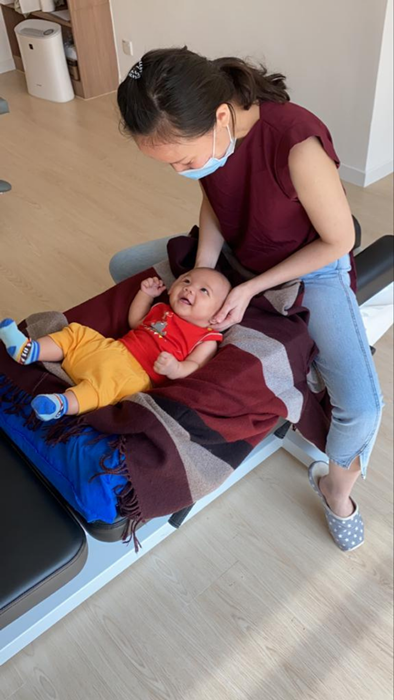
Chiropractic treatment for infants is totally different from adult’s treatment as it is extremely gentle and safe. The pressure that is required to realign the spine and to remove joint restrictions is the same as the pressure you would apply to test the ripeness of a tomato. Gentle pediatric chiropractic care for the newborn can make sure that there is no joint restrictions or misalignment of the skull, spine and jaw so that the baby is able to breastfeed, have better latch, achieve better sleep and function better.
Paediatric chiropractic care also plays an integral role in your baby’s optimal development. By checking the nervous system, we allow baby’s body to send accurate information to the brain which allows the brain to respond in the most appropriate way possible.
The Breastfeeding Mum
Postpartum mums often have to start taking care of the newborn before their own body fully recovers from the pregnancy and labor. The joints of a new mum are still very fragile and lax from the pregnancy hormone – relaxin, during the first six months postpartum. Therefore, in the initial stage of postpartum, mums are at a higher risk in developing lower back and pelvic pain. Carrying the baby with incorrect posture can easily injure the pelvis and lower back.
Feeding the baby in a slouched position with the head and neck tilted forward too much / hunching will put a lot of stress on the neck and upper back.
All these can result in misalignment and it can have an effect on the nervous system. Pain or discomfort is one of the most common complaints from postpartum mums.
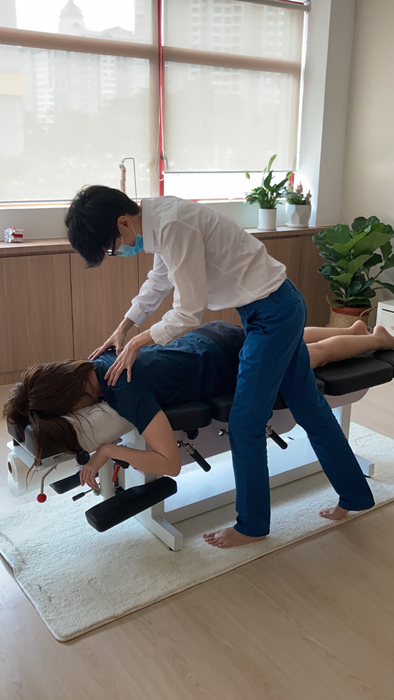
In the initial stage of postpartum, mums are at a higher risk in developing lower back and pelvic pain.
However, many do not realise that misalignment of the spine can also affect the milk supply as the nerves in our midback supply to the breasts too. Misalignment of the spine can result in hormonal changes which will affect the secretion of breast milk. Correcting the joint misalignment helps to effectively reduce pain, discomfort and stress on your nervous system which means your body will be in a more relaxed state & function optimally. This can eventually help to improve your body function and possibly resolve low supply issues.
If you are a new mum, speak to your doctor or lactation consultant to help kickstart your breastfeeding journey with your little one. You can also consult a postpartum & paediatric chiropractor who specialises in caring for new mums and newborns, to make sure that you and your baby’s spine and nervous system is functioning at its best so both of you can have an enjoyable breastfeeding experience.
Visit International Chiropractic Paediatric Association’s (ICPA) website for more published research articles regarding chiropractic care for kids, pregnant mums and adults.