




Why exercise during pregnancy?
When should you start exercising during pregnancy?
Worry that exercise during pregnancy may harm you or your baby?
Do not fret, here we have all your questions answered.
Read on to clear your doubts!
Q: Is it safe to exercise during pregnancy?
A: Check with your doctor to make sure that it’s safe for you to exercise during your pregnancy. Although some questions have been asked about the effects of exercise on pregnant mothers, there is no proof that gentle exercise has any bad effects on pregnancy.
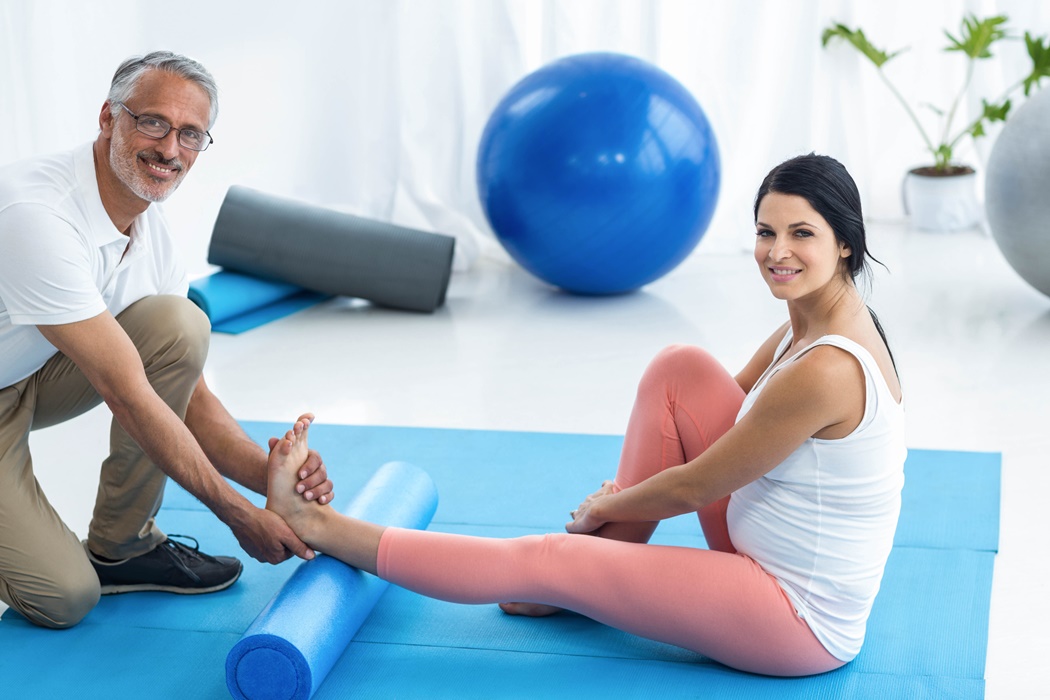
Studies haven’t shown any benefits for the baby, but exercise might help you feel better and maintain your weight. If you have no serious medical problems and you don’t have any complications with regards to your pregnancy, it’s probably safe for you to do some exercising.
Q: How to begin an exercise programme or routine?
A: It’s best to check with your doctor before starting any exercise programme. You may have a medical condition that would make exercise harmful to you or your baby. If your doctor approves, you could start exercising at a level that does not cause pain, shortness of breath or excessive tiredness. You may then slowly increase your activity.
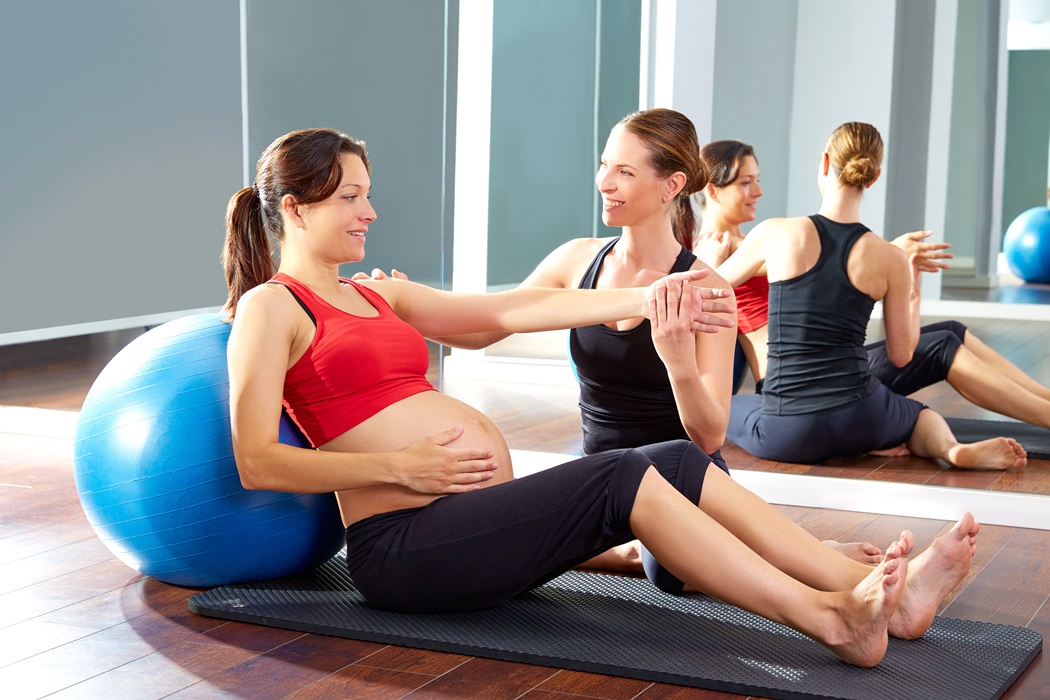
If you feel uncomfortable, short of breath or very tired, you should reduce your exercise level. If you have already been exercising, it’s easier to keep exercising during pregnancy. If you don’t exercise often prior to your pregnancy, you need to start very slowly. Many expecting mums find that they need to slow down their level of exercise during pregnancy.
Q: What types of exercise are the best for expectant mothers?
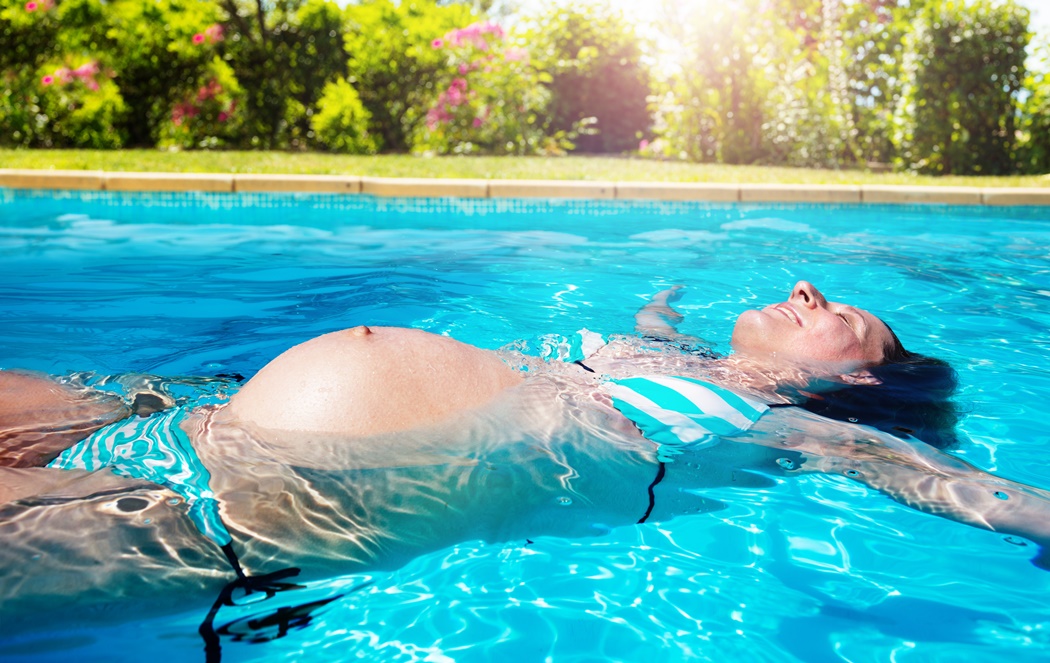
A: The most comfortable exercises are those that don’t require your body to bear extra weight. Swimming and yoga could be continued throughout pregnancy. Walking and low-impact aerobics are usually well-tolerated.
You and your doctor would need to decide what’s best for you and your baby.
Q: What should expecting mothers be careful about?
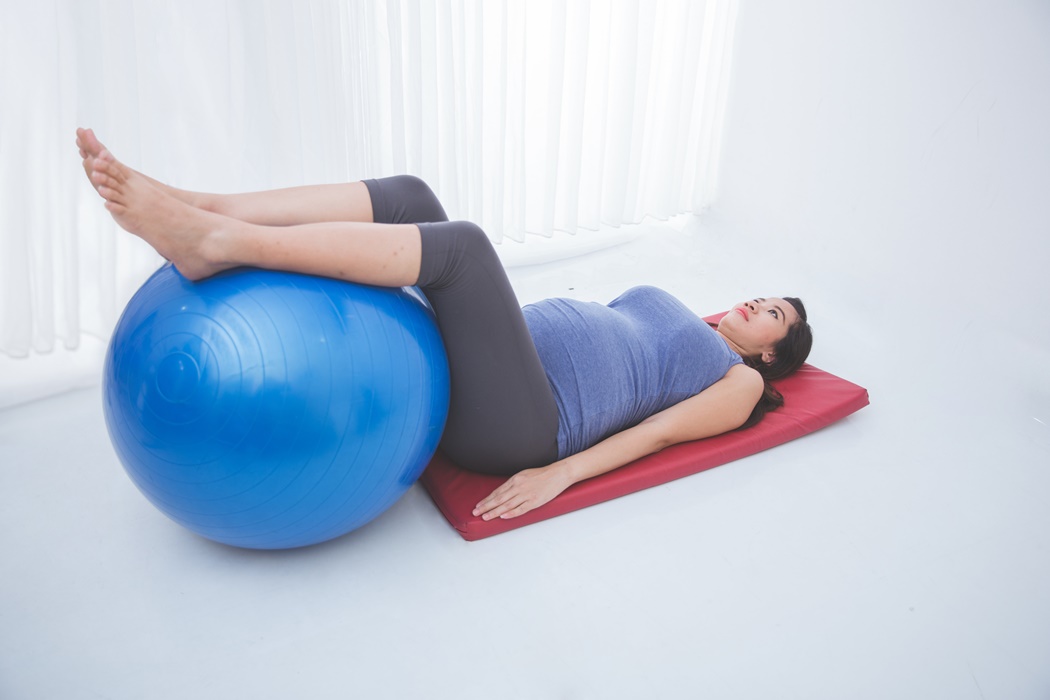
A: Avoid activities that increase your risk of falls or injury, such as contact sports or vigorous sports. Even mild injuries to the tummy area could be serious when you are pregnant. After the first three months of pregnancy, it’s best to avoid exercise that requires you to lie on your back, since the weight of the baby may interfere with blood circulation.
Also, avoid long periods of standing.
Whenever you exercise…
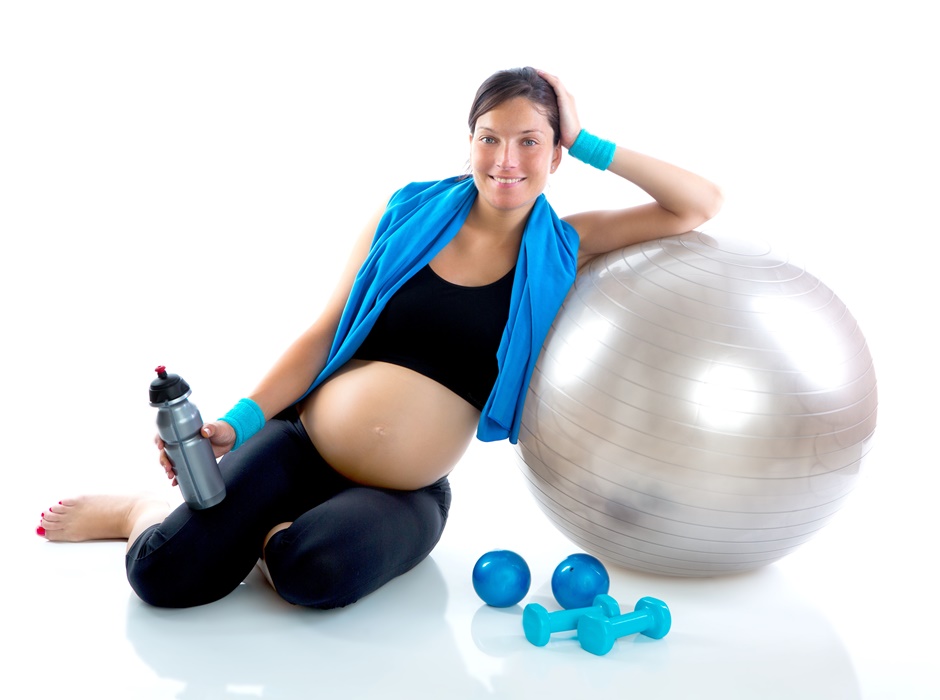
1. Try to exercise in the early morning or late evening to help prevent you from being overheated. If you are exercising indoors, make sure the room has enough ventilation. Consider using a fan to help keep you cool.
2. Drink plenty of fluids, even if you don’t feel thirsty.
3. Make sure that you are eating a well-balanced diet. Normally, pregnancy increases your food requirements by 300 calories a day, even without exercise.
4. Tell your doctor immediately if you experience any of the following after your exercise:
- Blood or fluid coming from your vagina.
- Sudden or severe abdominal or vaginal pain
- Contractions that go on for 30 minutes after you stop exercising
- Chest pain
- Shortness of breath
- Headache that is severe or won’t go away
- Dizziness
- Dim or blurry vision