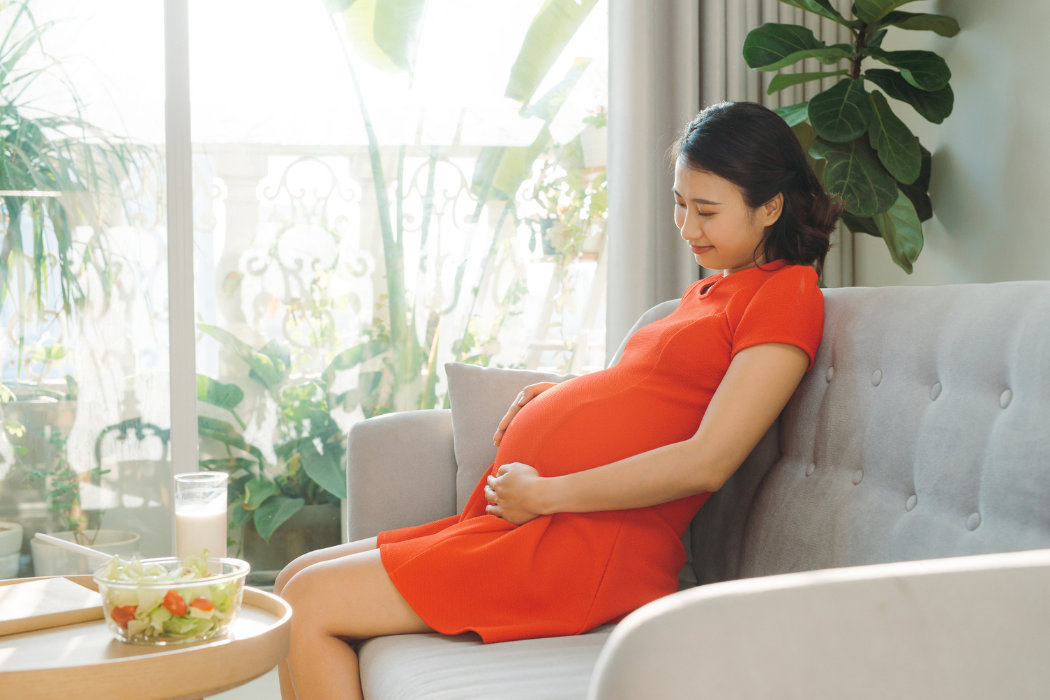





Do you know of someone who lost voluntary control over their bladder, is experiencing prolapse and frustrations in the bedroom due to painful sexual intercourse after delivery? That someone could be suffering from a pelvic floor muscle (“PVF”) dysfunction.
The pelvic region is a rather private area of the body and one that we generally don’t bring up at the brunch table with our besties. And while this is understandable, the fact is that PVF exercises are essential for a woman’s health, particularly when they’re expecting.
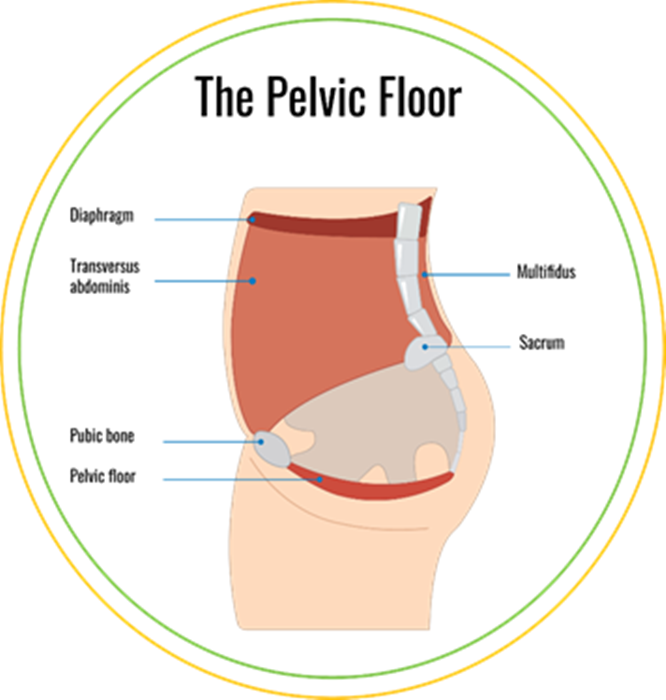
The PVF is the base/ foundation that makes up the group of core muscles[1], it is a muscular layer that stretches like a supportive hammock from the pubic bone to the tailbone which comprises integral muscular network that supports the bowel, bladder and uterus. When the PVF contract, these organs are lifted and the vaginal, anal and urethral openings tighten. When it relaxes, the body can then release urine and faeces and perform other biological functions.
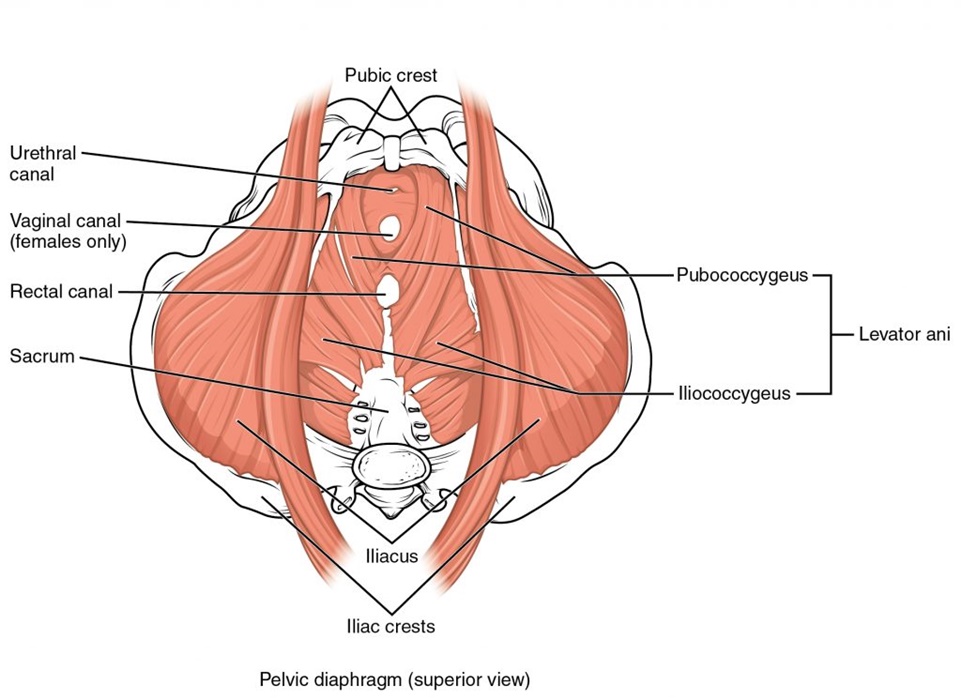
During those nine months of expectancy, the PVF serves to support the growing fetus and can undergo tremendous strain due to the increasing weight it supports. These very same muscles help to facilitate the birth and delivery of your baby just as it does other biological processes. It is for this very reason that PVF exercises are important for everyone and why PVF exercises for women are particularly needed.
Without exercise and training, the PVF can weaken, most of the time as a result of childbirth, sometimes also possibly as a side effect of age, heavy lifting, obesity, improper execution of exercise and certain health conditions. Amazingly, even excessive coughing can weaken these tender muscles.
The weakening of PVF can lead to a number of adverse health effects, not the least of which are incontinence, painful intercourse, other serious physical discomforts such as sacroiliac joint pain and pain in the lower back and hips, and problematic pregnancies in the future. Even under the best of circumstances and with the fittest of moms, the experience of pregnancy is bound to stress and strain the PVF.
But it doesn’t have to be this way. When you undertake a regular regimen of PVF exercises at any time during your life, your PVF and your body as a whole will strengthen and revitalize. Frequent and reasonably paced PVF exercises during pregnancy will lead to an easier and empowered pregnancy and delivery process.
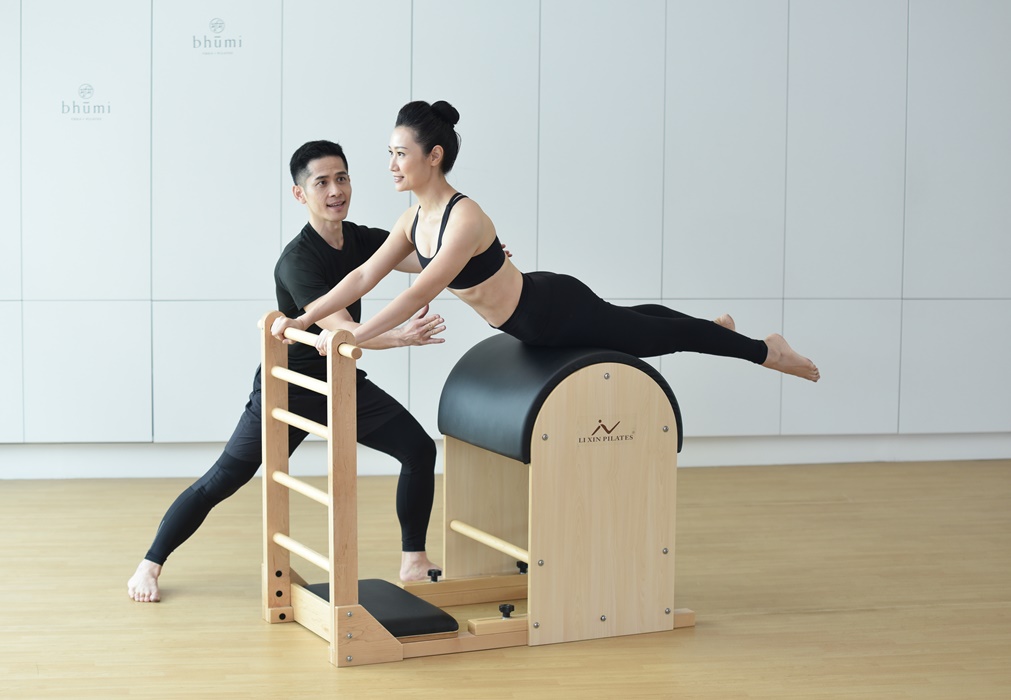
PVF exercises will strengthen the muscles surrounding your bladder and vagina. You will be less likely to experience stress incontinence and leakage during your pregnancy, and will likely even experience a smoother delivery.
PVF exercises for women can be even more beneficial to expectant mothers dealing with PVF prolapse. This is what occurs when the pelvic muscles weaken, causing corresponding organs to drop lower into the pelvis, thus creating a noticeable bulge post-birth and related symptoms such as incontinence and sexual dysfunction.
So, have we convinced you yet that you really, really need to be doing PVF exercises, especially with a little one on the way?
Before you begin any exercise routine or regimen, be sure to consult your physician and personal trainer regarding the specific exercises that you plan to do, and in what quantity and frequency or time increments.
Breathing with PVF and whether you are doing your Kegels right
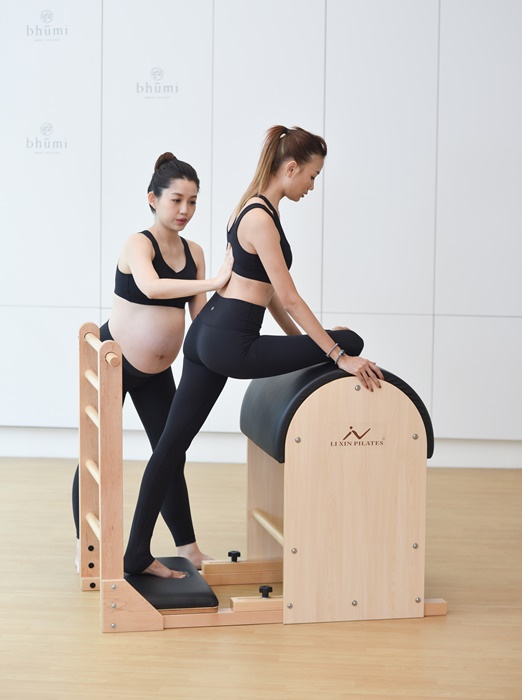
Most of us have been advised to practice Kegels during pregnancy by “holding in your pee” BUT this could be harmful or counterproductive. The PVF, like all other muscles, is a muscle that is made up from elastic fibres, in order for a muscle to perform properly, it has to be supple and flexible to release and contract, a muscle that is too tight (i.e. harbouring too much tension) or too weak (i.e. lacking strength and endurance) will not be able to function optimally. If you are already suffering from a hyper tensed PVF, Kegels will only worsen your condition. A PVF that is tight and tensed will bring upon a difficult birthing process as the same muscle is supposed to release and open to facilitate the expulsion of your baby.
Instead, think about breathing with your pelvic floor. Coordinate your diaphragm and pelvic floor–with your ribs moving with each breath, inhaling deep breaths and visualise the PVF opening, releasing and expanding. As you exhale, lift and contract the PVF and expel the breath outwards.

As mentioned previously, the pelvic floor is for all intents and purposes the central core of the anatomy. So be certain that the exercises you choose flex, shape and tone key areas such as hips and abs, as well as–naturally–the muscles of the pelvic area. Keep your posture straight and your head aligned at all times, both when exercising and when walking and moving in general. Hip rolls incorporating breathing and engagement of PVF is one exercise that you can perform at home, roll and articulate your spine upwards one vertebra at a time, pause and inhale once you reach the top, breathe out as you articulate your spine downwards to the mat. Breathe in once you reach the mat and breathe out while engaging your PVF simultaneously once again before commencing the next roll.
If you are unsure of the health of your PVF, consult a pelvic floor specialist to get an assessment to better understand your condition. Always work with a certified pre & post-natal trainer as most pre-pregnancy fitness routine is not appropriate and require modification during pregnancy.
[1] Core muscles in the strict sense consist of the diaphragm, the multifidus (group of back muscles deep in the spine), transverse abdominals (the deepest layer of the abdominal muscle) and the PVF as base.