





Mums-to-be now have the option to kick-start their labour or have a Caesarean, which allows them to decide their baby’s birth date.
As the option of inducing their baby’s birth is available, an increasing number of Malaysian mums are going for it.
Before opting for elective labour induction, more commonly known as “choosing a baby’s birthday”, there are a few important factors to ponder first.
Rushing the process could result in severe labour pain, an emergency C-section, or compromised infant immunity. Is it worth the risk?
Pass the Pitocin, please
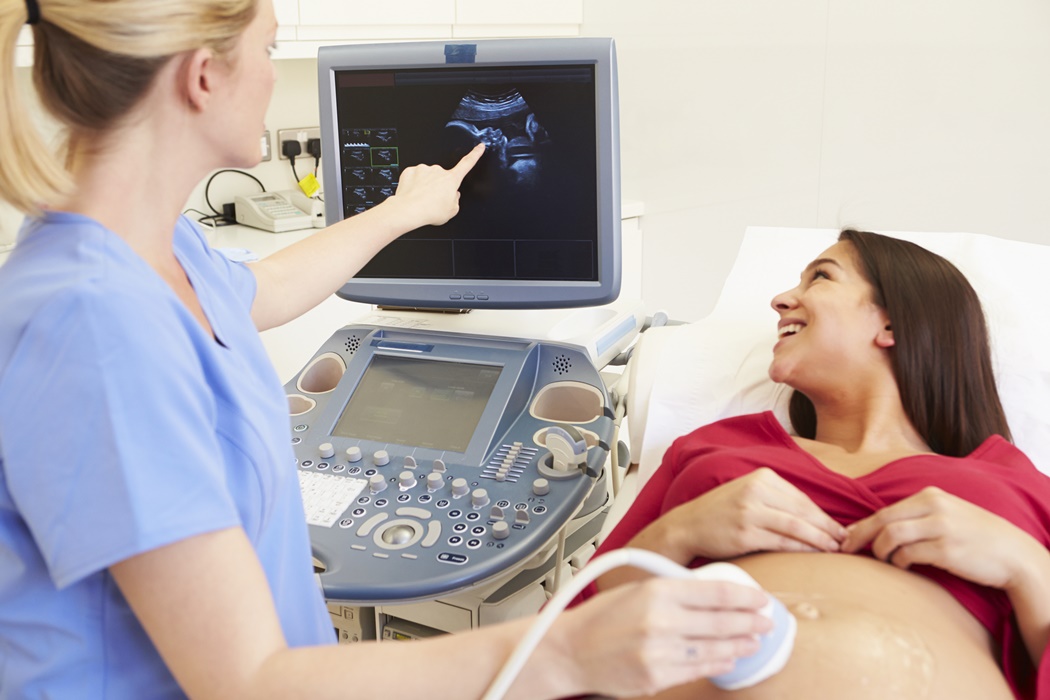
Labour is induced with Pitocin, a drug that mimics oxytocin, the hormone that activates labour.
Your cervix, located at the lower end of your uterus, should be “ripe” before Pitocin is administered.
A ripe cervix is one that has softened, dilated, and thinned.
The measurement of these conditions is called a Bishop score.
If the cervix requires additional ripening, mums-to-be admit themselves into the hospital the night before to get a softening agent.
Cytotec and Cervadil are used to artificially ripen the cervix. Cervadil is a vaginal suppository that has strings attached for quick removal if the baby or uterus has a reaction. Cytotec is a table that may be cut and placed in the vagina or taken orally.
Before an induction, have a good lunch and eat a light snack at around 3 p.m. in the afternoon before going to the hospital at 7 p.m.
The baby’s vital signs are traced at that time, and if all looks good, the mother receives her first dose of the softening agent. If the patient already shows signs of cervical softening and is dilated to two or more centimetres, she is sent back home, instructed not to eat after midnight, and told to arrive at the hospital in the morning for IV fluids and a tracing of the baby’s
vitals.
By about 6 to 7 a.m., an IV of Pitocin is started.
Most people will deliver between 5 to 7 p.m. One advantage of induction is that there is more hospital staffing ready to facilitate the delivery. It is a modern convenience that, when used properly, helps streamline and provide potentially safer care.
It is all about timing, baby
These days, both patients and doctors initiate elective inductions. A lot of the push to have elective inductions is coming from patients who are trying to find a time to schedule when it is not inconvenient for husbands and family.
It is not only because the doctors are interested in trying to have a little bit more ordered life, it is coming from patients as well.
Fear of pain, feeling uncomfortable, avoiding a mad dash to the hospital, delivering when grandparents can visit, and coordinating around work are common reasons for labour induction. Some who have done it would do it again, and others will not.
A carefully timed biological phenomenon
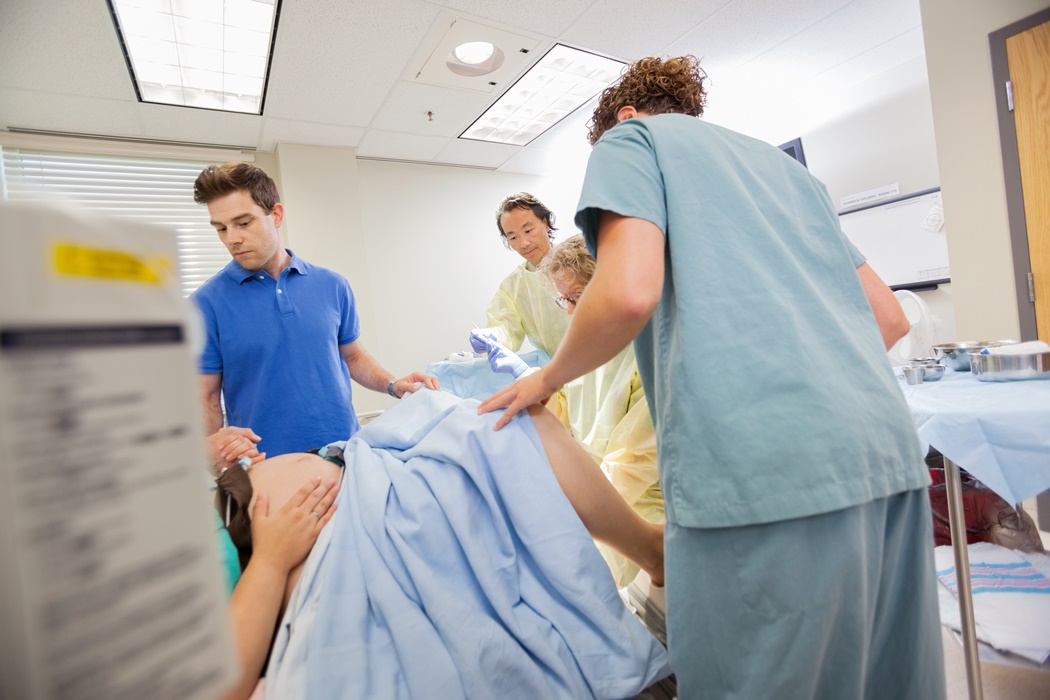
Now that you know that labour induction is an option and what to expect during the procedure, decide if it is something you want for you and your baby.
Artificial labour usually has an unnatural rhythm. It is commonly the case that the pains are more severe, quicker, and so it is not unusual for a patient who is being induced to need pain medicine sooner, like an epidural or something else.
Every day in the womb is an important one for a baby, provided that there are no medical concerns that call for an earlier delivery. There is active transport of immunities from the mother to the baby during the last trimester of pregnancy, so the shorter the last trimester of pregnancy, the less transfer of immunities. When the baby is firstborn, he relies considerably on immunity that has been transferred from the mother to fight off infections.
It is important to recognize that the onset of labour is a carefully timed biological phenomenon in each woman that coordinates the readiness of both the baby and the mum. Because the delivery of healthy babies is so important for the survival of the species, there are a lot of reasons to think that the spontaneous initiation of labour is a good indication that mother and baby are both ready.
Making an informed choice
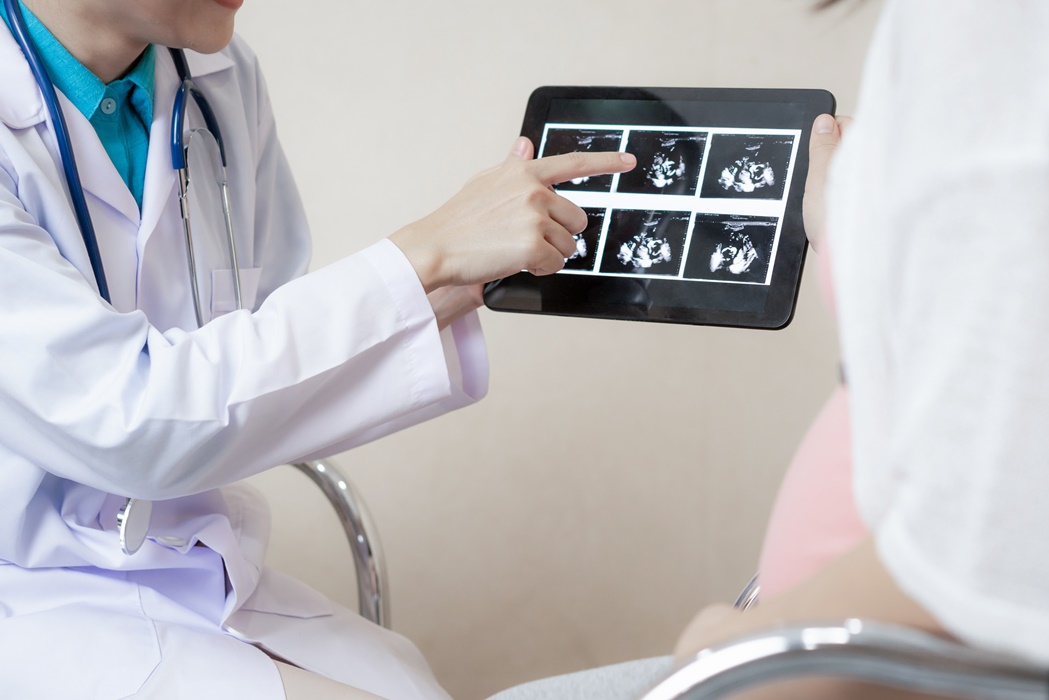
Doctors usually offer patients elective induction if these two very important criteria are met: that the cervix is ripe, and that the mother is nearing her due date.
If an examination shows that the pregnant mum’s cervix is ready for labour, a labour induction should be safe and would not increase her risk for a Caesarean section. A ripe cervix means that an expectant mum is simply ‘walking the line’ between still being pregnant and going into labour. However, mums should be adequately briefed about the details of every step in a labour induction so that they are better equipped at making the right choice.
What’s the score?
A Bishop score is a rating from 0 to 10 based on the ripeness and position of the cervix, as well as the position of the baby. This score may be an important factor in determining an increased risk of C-section during an induction. Studies that looked at a Bishop score of six or higher report that there is no increased risk of C-section during an elective induction.
Induction time
Here are some of the questions to ask your doctor if you are considering an elective induction
• What should my Bishop score be before the induction?
• Are there any risks or side effects involved with using a softening agent to ripen my cervix? What are the names of the agents available, how do they work, and are they approved by the Health Ministry for cervical ripening? Can they be removed quickly if there is a reaction with the baby or my uterus?
• What are the criteria for an increased risk of C-section during induction and how are we going to avoid this risk?
• At what point will my water be broken, and what are the risks associated with this timing?