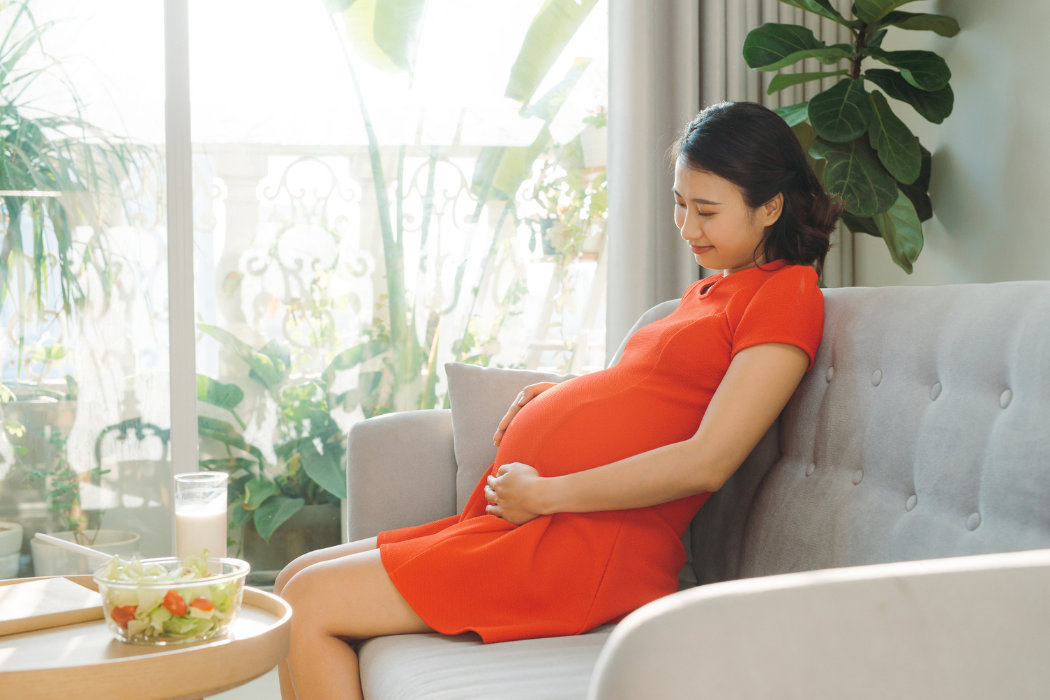






Drinking water is extra-important during pregnancy, and it’s more important than ever to ensure your source is safe. There’s more to H2O than meets the… mouth.
As a mum-to-be, it’s essential to be doubly sure that you’re drinking enough water. Here’s what you need to know about drinking water during pregnancy, from the benefits (preventing haemorrhoids and other pregnancy symptoms), to how much you need (more than before), to how to ensure your water is safe (more important than ever).
Water Delivers Essentials to Your Foetus

Ever wonder how all the good stuff in the prenatal vitamins and healthy foods you’re faithfully consuming every day are shipped to your foetus? It all starts with water, which helps your body absorb essential nutrients into the cells and transports vitamins, minerals and hormones to the blood cells. It’s those nutrient-rich blood cells that reach the placenta and ultimately your baby — all with the help of H2O.
Your Recommended Daily Water Intake Is Higher During Pregnancy
To that end, you’ll need more water to keep your system running for two during pregnancy. The Institute of Medicine says pregnant women in temperate climates should aim to drink 12 or 13 glasses (they count a glass as eight ounces) each day, which is slightly more than the amount for non-pregnant women (around 11 glasses each day). Try to space out your sips to keep them coming steadily throughout the day rather than gulping a lot at once, which could leave you feeling uncomfortably full. Since most of us don’t drink enough fluids, filling a water bottle or two every morning and keeping it handy all day takes the hassle out of hydration. Be sure to sip before, during and after you work out, or if you find yourself outside on a hot day. Note, too, that if you feel thirsty, it’s a sign that your body is already on its way to being dehydrated.
How can you tell if you’re getting enough? If your trips to the bathroom are frequent and your urine is pale or colourless, your drinking is on track.
Water Can Help Prevent UTIs, Constipation And Haemorrhoids

Now that you’re pregnant, you’re not just eating and drinking for two — you’re also excreting for two
(ew, but true!) That means you’ll have more trash to take out of your system than ever before. Enter water, which dissolves the waste products and helps flush them from the kidneys. Drinking enough water also keeps your urine diluted, which not only keeps things flowing but also keeps UTIs at bay (urine that hangs out too long in your bladder can become a breeding ground for infection-triggering bacteria), as well as bladder infections and kidney infections (which are types of UTIs).
A copious consumption of water also helps immeasurably in the poop department, helping to move solid wastes more speedily down the digestive path. And, since constipation is pretty common in pregnant women — not to mention the fact that constipation pressure can cause haemorrhoids — well…bottoms up!
Water Can Help With Fatigue, Headaches, Swelling And Overheating

Is it crazy-hot in here — or are you pregnant? It’s true, the heat is on (high!) when you’re expecting. But
if you drink water during pregnancy, you can keep the body’s cooling system running smoothly — even when your inner thermostat is cranked all the way up — by dispersing excess heat in the form of sweat.
An ample flow of fluids also keeps pregnancy fatigue in check — one of the first symptoms of dehydration is exhaustion and can keep headaches at bay (another dehydration symptom). It also helps your body get rid of excess sodium among other things, minimizing swelling particularly swollen feet or ankles (your doctor might call it “oedema”).
Water Isn’t The Only Way To Hydrate
Water is the best drink around, but if you’re all watered out? There are plenty of other liquids that make the cut: Milk (an 8-ounce glass of skim yields just over seven ounces of water), sparkling or flavoured waters, fruit and vegetable juices (watch out for added sugar in fruit juice and added sodium in veggie drinks) and decaffeinated teas are all great choices — just be sure you keep an eye on pasteurization, calorie info and all that. You should, however, limit your intake of soda (nothing but empty calories), as well as other beverages containing caffeine, since they have a diuretic effect (besides the other reasons to cut the caffeine during pregnancy).

Keep in mind, too, that about 20 percent of our daily water intake comes from food sources. Fruits pack the most water: One cup of watermelon or cantaloupe provides just less than five ounces of water; a medium-size pear or one cup of strawberries provides about four and a half ounces; a medium size orange has four ounces. Got the sniffles? A cup of chicken soup yields roughly six ounces of water.