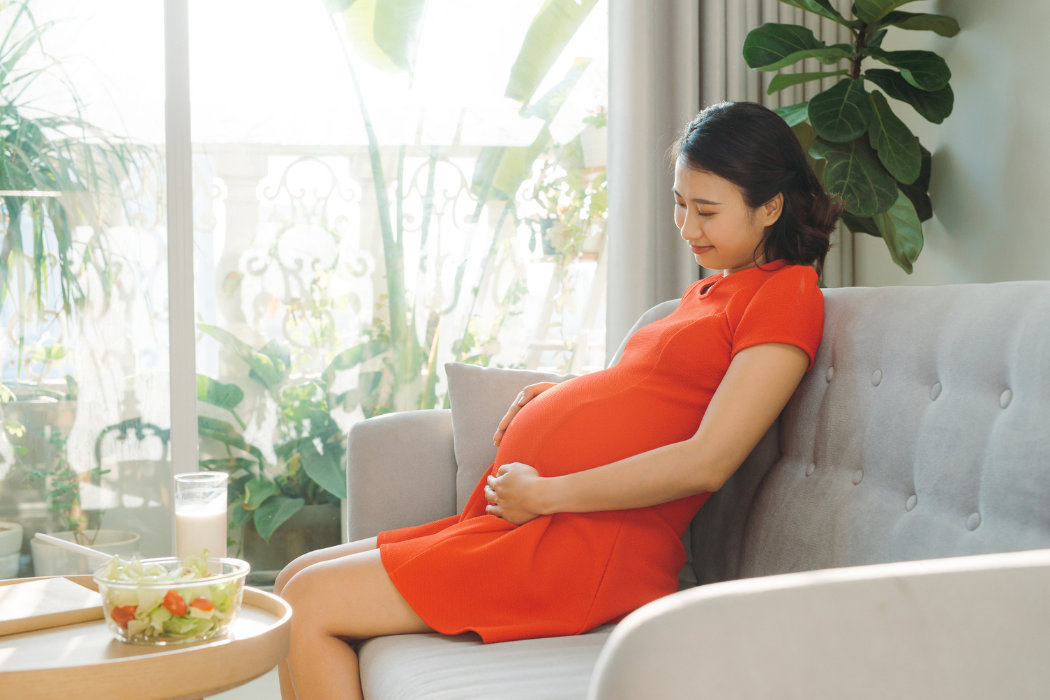





Pregnancy is one of those rare seasons in life where your body quietly becomes a home. Long before you feel the first kick or see a visible bump, changes are already happening beneath the surface. Some are magical. Some are uncomfortable. Most are unexpected. And all of them are your body’s way of preparing for the tiny life growing inside you. Knowing what’s normal and how to cope can make the journey feel a little less overwhelming and a lot more reassuring.
The First Trimester: Laying the Foundation
The first few months are a whirlwind of internal activity. Even before you have a visible “bump,” your body is working overtime to build the life-support systems your baby needs.
Extreme Fatigue: Feeling exhausted is one of the most common early symptoms. Your body is using immense energy to build the placenta.
Solution: Prioritise rest. Sleep earlier at night and take short naps during the day whenever possible. Your energy usually rebounds in the second trimester.
Other changes include:
1. Frequent urination.
2. A growing belly.
3. Emotional symptoms.
4. Light-headedness.
5. Heartburn.
6. Constipation.
7. Visible veins.
8. Skin changes.
9. Breast changes.
10. Vaginal changes.

The Second Trimester: The Golden Period
Often called the “honeymoon phase” of pregnancy, the second trimester is when many women start to feel the first “flutters” of life, a magical milestone known as quickening.
Breast & Skin Changes: While breast tenderness often fades, it will continue to grow. Your skin will stretch significantly to accommodate your growing baby.
Solution: Use a high-quality moisturiser to soothe itchy, stretching skin. While stretch marks may appear, they typically fade into silver lines after delivery.
Managing Discomfort:
- Leg Pain: Pressure on nerves and blood vessels can cause leg cramps. Solution: Try sleeping on your side rather than your back to improve circulation.
- Aching Back, Pelvis, and Hips: As your centre of gravity shifts, your joints may feel the strain. Solution: Use a support pillow behind your back while resting.
- Abdominal Pain: This is often “round ligament pain,” caused by the stretching of tissues supporting the uterus.
- Congestion & Bleeding Gums: Increased blood flow can make mucous membranes sensitive.

The Third Trimester: The Final Stretch
As you approach the finish line, the physical presence of your baby becomes much more apparent, and the focus shifts toward preparation for birth.
Sleep Challenges: Finding a comfortable position can be difficult as your belly reaches its full size.
Solution: Side sleeping is best. Specifically, sleeping on your left side optimises blood flow to the placenta and your baby. Place a pillow between your knees for hip alignment.
Tingling and Numbness: General swelling (oedema) can press on nerves, leading to numbness in the hands or legs.
Solution: If you experience “Carpal Tunnel” symptoms in your wrists, wearing wrist splints at night can provide relief. These symptoms almost always disappear after birth.
Digestive Slowdown: Constipation can become more pronounced as the baby takes up more space.
Solution: Focus on hydration and fibre. If you need extra help, consult your doctor about a stool softener; avoid laxatives unless specifically prescribed.

A Gentle Reminder for Every Stage
Your pregnant body is not “failing” when it feels tired, sore, or unfamiliar. It is adapting, stretching, and preparing for birth in ways that are both complex and extraordinary. While no two pregnancies are the same, understanding what’s happening at each stage can help you meet these changes with patience and self-compassion. Be kind to your body. It’s doing something remarkable, one trimester at a time.