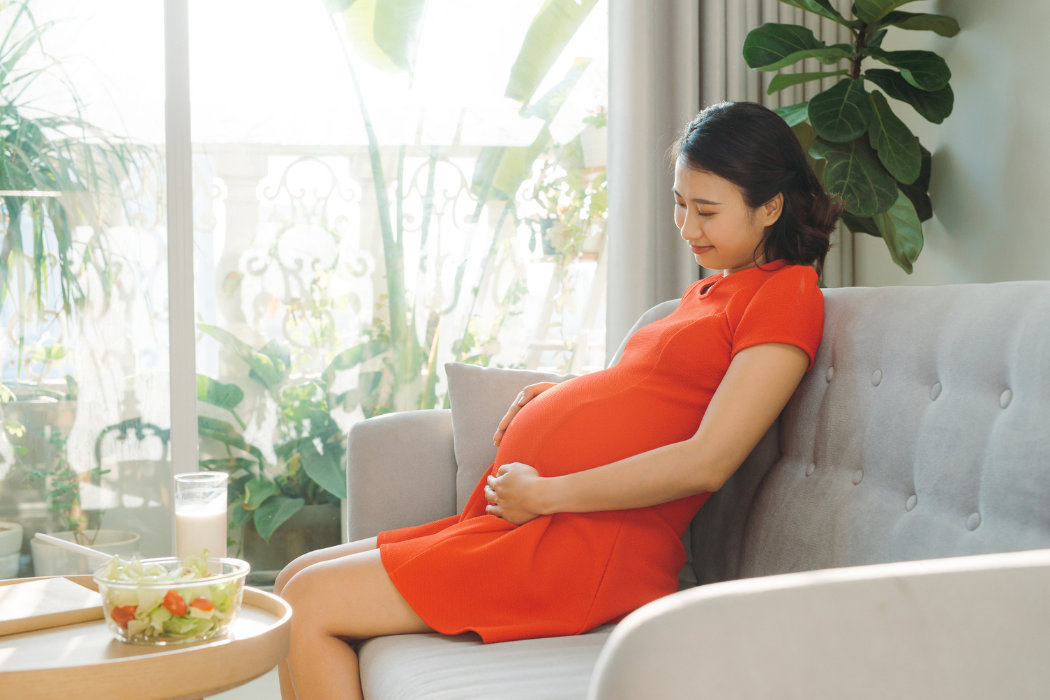





You and your husband have decided to take the plunge into parenthood.
But wait just one second — or a month or two, at least. To give yourself the best chance for a healthy pregnancy and a healthier baby, there are a few important things you need to do before you head down the road to conception.
This list would help you get your life and body into baby-making shape.
1. Fuel Up on Folic Acid
Even if you do manage to eat a balanced diet, it could be difficult to get all of the nutrients you need from food alone — and there’s one, in particular, you don’t want to skimp on at this point. By taking 400 micrograms of folic acid a day for at least one month before you start trying and during your first trimester, you could cut your chances of having a baby with neural tube defects such as spina bifida by up to 70 per cent.
You could buy folic acid supplements from pharmacies or you could take a prenatal or regular multivitamin. If you do take a multivitamin, make sure it doesn’t contain more than the recommended daily allowance of 770 micrograms RAE (2,565 IU) of vitamin A, unless it’s all in a form called beta-carotene. Getting too much of a certain kind of vitamin A could cause birth defects. If you’re unsure about what to take, ask your obstetrician or gynaecologist to recommend a supplement.
2. Say ‘No’ to Caffeine!

Research shows that too much caffeine could reduce your ability to absorb iron, which you would need plenty of for pregnancy, and increase your risk for stillbirth — so start weaning yourself off of coffee, tea, and colas or switch to decaf.
You might want to start by switching to a half-decaf, half-caffeinated drink, because going cold turkey may cause nasty headaches. If you’re a real java junkie, try cutting back to a cup a day — most experts think that amount is safe. Once you’ve acclimated to life with little or no caffeine, you may find that steamed milk with a shot of flavored syrup is a nice coffee substitute — and the calcium would do your body good.
3. No More Partying
If you smoke, now’s the time to stop. Numerous studies have shown that smoking could lead to miscarriage, premature birth, and low-birth-weight babies. Plus, research suggests that any tobacco use could affect your fertility and lower your husband’s sperm count. In fact, studies have shown that even secondhand smoke may affect your chances of getting pregnant.
Alcohol also could get in the way of getting pregnant, so it’s a good idea to cut back when you start trying and to abstain during the last two weeks of your menstrual cycle in case you have conceived.
4. Check Your Weight
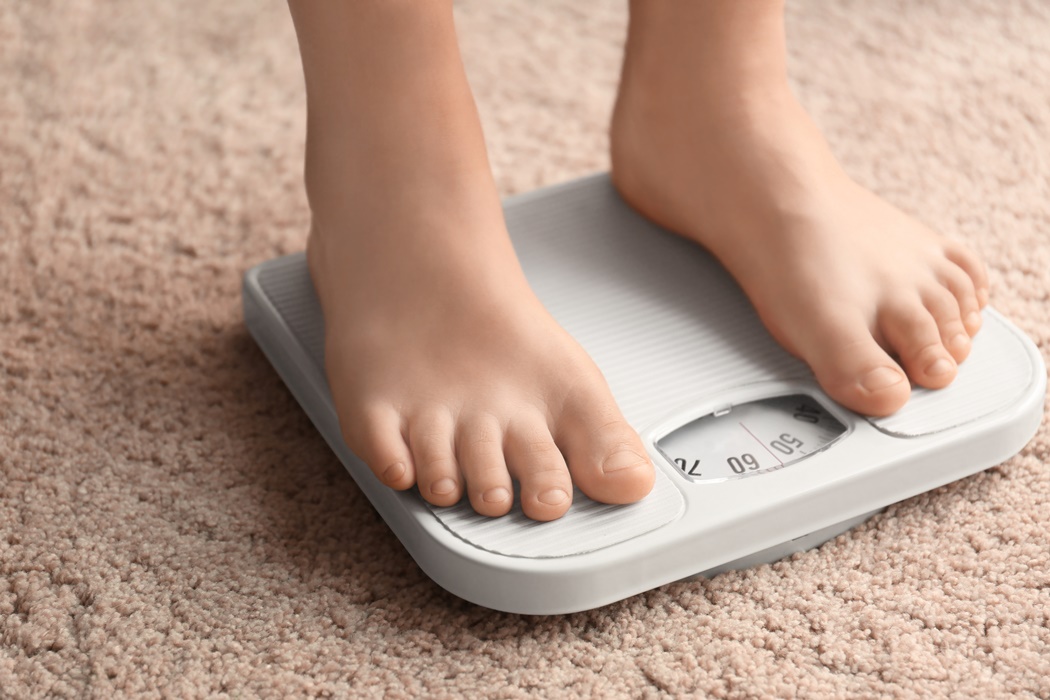
If you have a healthy weight, you would probably have an easier time conceiving. Studies show that women whose body mass index (BMI) is below 20 or above 30 have a harder time getting pregnant, so it’s a good idea to try to get yourself into the 20 to 30 range before you start trying. If you are not in a healthy range, losing or gaining weight may give you the boost you need to conceive. Talk to your doctor about the best way to achieve your weight goals.
5. Workouts
Start and stick to a fitness plan now, and you would be rewarded with a healthy body that is fit for pregnancy. Plus, working up a little sweat is a great way to relieve the stress that could get in the way of getting pregnant. A healthy exercise program includes 60 minutes of activity, such as walking or cycling and weight training, on most days of the week.
To increase flexibility, add exercise such as daily stretching or yoga, and you would have a really well-rounded fitness program. Once you’re pregnant, remember that it’s okay or even recommended to continue exercising. But make sure you consult your doctor about the safety of your workout’s regimen when you are pregnant. If your idea of working out is clicking the buttons on the TV remote, you need to ease into an exercise routine.
Start with something tame, such as walking ten to 20 minutes a day. Add more activity into your daily routine by taking the stairs instead of the elevator.
6. Start a Nutritional Regime

You are not eating for two yet, but you should start making nutritious food choices now so that your body will be stocked up with the nutrients you need for a healthy pregnancy. Try to get at least two cups of fruit and 21⁄2 cups of vegetables every day,
as well as plenty of whole grains and foods that are high in calcium, such as milk and yoghurt. If you are a big fan of fish, start watching your intake.
Although fish is an excellent source of protein, certain kinds, such as shark, swordfish, king mackerel, and tilefish, tend to contain too much methyl mercury, which could be harmful to your baby’s growing brain in high doses, as mercury could accumulate in your body and linger there for more than a year, it’s best to avoid high-mercury fish while you’re trying to conceive. Instead, eat about two servings (12 ounces) of lower-mercury fish such as salmon and canned light tuna a week.
7. Schedule a Dental Appointment
When you are getting yourself into baby-making shape, don’t forget about your oral health. Mounting evidence suggests that periodontal disease, a bacterial infection that affects the gums and bones supporting the teeth, could lead to premature labour and low-birth-weight babies. A study found that pregnant mothers with periodontal disease may be seven times more likely to have a pre-mature baby. Another study showed an association between gum disease and an increased risk of pre-eclampsia, a pregnancy complication marked by high blood pressure, fluid retention, and protein in the urine. To make matters worse, hormonal shifts during pregnancy could make you more susceptible to gum disease. Increased progesterone and oestrogen levels could cause the gums to react differently to the bacteria in plaque, resulting in swollen, bleeding, tender gums.
The good news is that mothers-to-be, who take care of their periodontal health before they get pregnant, cut down on their chances of experiencing gum complications in pregnancy. See your dentist for a check-up and a cleaning now if you haven’t done so in the last six months.
8. Track Down Your Medical History

It’s a good idea for you and your husband to investigate your family health history, so call your parents, siblings, or other relatives to get the medical scoop. If they get suspicious and you’re not ready to share your news, tell them you’re trying out a new healthcare provider. The most important thing to ask about is whether anyone in your family has any genetic or chromosomal disorders like Down syndrome, sickle cell anaemia, cystic fibrosis, Tay-Sachs disease, or bleeding disorders.
You would also want to find out if any relatives have mental retardation or other developmental delays or were born with an anatomical birth defect, like a cardiac or neural-tube defect. Your doctor would ask you a series of questions at your pre-conception visit or first prenatal check-up, and your answers would help determine whether specific prenatal tests should be recommended, or if you or your husband should consider genetic testing before you even start trying.
9. Arrange for a Pre-conception Visit
You don’t have to have a doctor or midwife lined up yet to deliver your baby, but you should set up an appointment now with your doctor for a pre-conception check-up. Your doctor would probably ask you about your personal and family medical history, your present health, and any medications you’re taking. Some drugs, such as Accutane, a commonly prescribed acne medication, are stored in your body’s fat and could linger there for months.
Your doctor should also discuss diet, weight, and exercise with you, recommend prenatal vitamins, make sure you are up to date on your immunisations, test you for immunity to childhood diseases such as chickenpox and rubella, and answer any questions you have. If it’s been a year since you had a checkup, you could also expect to have a pelvic examination and a pap smear, and to be tested for sexually transmitted diseases if you’re at risk. Many couples may also want to pursue genetic testing for sickle cell disease, Tay Sachs, cystic fibrosis, or other disease based on their ethnic background or family history.
10. Know Your Cycle

Some women simply stop using birth control when they are ready to get pregnant and let fate decides when they would conceive. Others take a more calculated approach by pinpointing their ovulation day. If you want to be more exact, start charting your basal body temperature (BBT) and the changes in your cervical mucus. Tracking these symptoms over several months could help you figure out when you are ovulating during each cycle.
To get a precise temperature reading, you would need to check yours the first thing in the morning, before getting out of bed, using a special basal thermometer that’s available at pharmacies. Ovulation predictor kits could also help you figure out when you are ovulating by detecting hormones in your urine, or changes in chloride in the saliva or on the skin, that signal ovulation is about to occur. These kits could be a little pricey and are also available at pharmacies.
11. Check Your Health Insurance Policy
It may be more than nine months before you have to think about a hospital bill, but you should consider the cost of having a baby now. The best place to start is with a phone call to your health insurance company. Take a close look at what kind of prenatal coverage they offer and think about switching now if you are not satisfied. If you have a particular doctor in mind, find out if she’s in your plan or how much it would cost to go out of network.
Find out what your deductibles are for prenatal visits and delivery, and ask what tests and procedures your insurance covers. If you have a high deductible, you may want to put a little aside now so you won’t be slammed with exorbitant bills when the baby arrives. And don’t forget to check on coverage for your baby as neonatal intensive care is pricey.
12. Caring for Your Mental Health

Women who suffer from depression are twice as likely to have problems with fertility as women who don’t. If one is clinically depressed, she could barely take care of herself, much less a baby. From an evolutionary point of view, it makes sense that it’s hard to get pregnant when you are depressed. Experts suggested that all women but especially those with a personal or family history of depression, do a mental health check before they get pregnant.
If you notice signs of depression, such as a loss of interest and pleasure in things that you used to enjoy, a change in appetite, a change in sleep pattern, a loss of energy, or feelings of hopelessness and worthlessness, ask your doctor for a referral to a therapist or psychiatrist for a consultation. If medication becomes necessary, a psychiatrist could help you find an antidepressant that’s safe to take while you are trying to conceive and during your pregnancy. You also may want to try stress management techniques, such as yoga and meditation, which research suggests could help depressed women conceive.
13. Consult a Financial Adviser
Shelling out RM20 for cute designer baby booties is just the start of what you would be spending on your little one in years to come. Find out how much you’re likely to spend to raise your child from day one to her college years. But never fear, as investing just RM100 or RM200 a month now, you could have a nice nest egg by the time your child heads off to college.
Talk to a financial adviser about how to start saving.
14. Eradicate Environmental Hazards
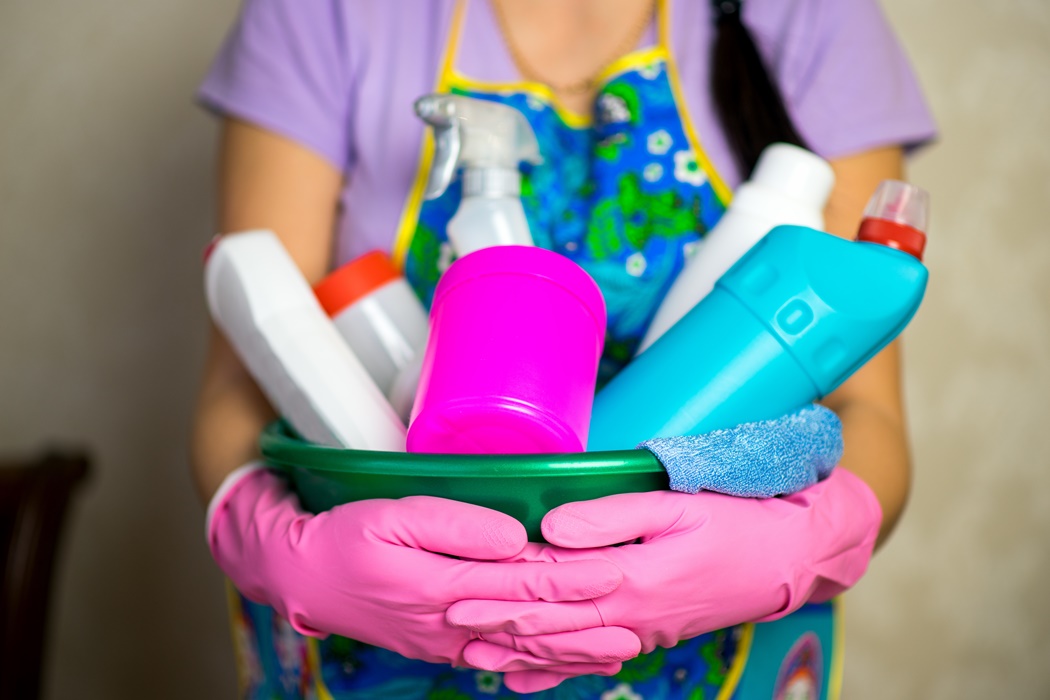
Some jobs could be hazardous to you and your unborn child. If you are routinely exposed to chemicals or radiation, you would need to make some changes before you conceive. Also, keep in mind that some cleaning products, pesticides, solvents, and lead in drinking water from old pipes could be dangerous for a developing baby. Talk to your doctor about your daily routine, and see if you could come up with ways to avoid or eliminate hazards in your home and workplace.
15. Prevent Infections
It’s important to steer clear of infections when you are trying to get pregnant, especially those that could harm your baby-to-be. You would want to stay away from certain foods such as unpasteurised soft cheeses, packaged luncheon and deli meats, and raw and undercooked fish and poultry. These foods could harbour dangerous bacteria that cause listeriosis, a food-borne illness that could lead to miscarriage or stillbirth. You should also avoid unpasteurised juices because they could contain bacteria such as salmonella or E. coli. Raw fish, especially shellfish, could contain harmful microorganisms.
Be sure to wash your hands frequently when preparing meals, and make sure your fridge is set between 35 and 40 degrees Fahrenheit (2oC to 4oC) and your freezer is at or below zero degrees Fahrenheit (-18 oC) to keep cold foods from going bad.
Finally, it’s a good idea to wear gloves when digging in the garden or sandbox and to get someone else to change the litter box to avoid contracting toxoplasmosis, another infection that could be dangerous for a developing baby.
16. Think Thoroughly

Having a child is a lifetime commitment. Before you decide to make a baby, it’s important that you and your husband consider what you are in for and whether you are ready to take on this responsibility. Here are some key questions to consider:
- Are you both equally committed to becoming parents?
- If you have religious differences, have you discussed how they would affect your child?
- Have you thought through how you would handle childcare responsibilities and balancing work and family?
- Are you prepared to parent a special-needs child if you have one?
- Are you ready to give up sleeping in on Sundays? And to line up a babysitter every single time you want to go out without the baby?
17. Talk to Your Friend
It could be an incredibly exciting time, but it also could be stressful and emotional. Confide in a friend besides your spouse about the leap you are about to make. It would be great to have a support system in place once the morning sickness and wild hormones kick in. And it is always fun to have another person to daydream with about your baby-to-be.
If you are reluctant to tell someone you know personally about your decision, visit some of the baby-related, parenting or support group websites, where you could share stories through a blog or clearing your doubts through the Q&A section, and receive support from other women who are trying to get pregnant.
18. Setting the Romantic Mood
Some experts said that if a woman is highly aroused while she’s having sex, the sperm has a better chance of fertilising her egg. Others said it makes absolutely no difference. The jury may be out, but why not set the mood for baby-making with some sexy new lingerie? Or illuminate your room with soft candlelight. Or bring home some special scented massage oils. It certainly can’t hurt, and it may help eliminate that clinical feeling couples sometimes complain about when they are having sex for the purpose of pregnancy.
19. Get Rid of Your Contraceptive Device
Once you have gotten yourself into baby-making shape, you are ready to bid adieu to birth control. For some people, ditching contraception is as easy as moving the condoms or diaphragm to the back of the dresser drawer. But going off hormonal contraception could require a bit more planning. If you have been using the Pill, for example, it’s a good idea to finish your current pack to avoid irregular bleeding. It may take a few months for your cycle to return to normal, but many women are fertile the first month after they stop taking the Pill.
The same holds true for the contraceptive patch and ring. If you are using Depo-Provera (contraceptive injection that contains the synthetic hormone progestin and must be injected every 12 weeks), it could take up to a year after your last shot for you to start ovulating again, even if your period returns to normal sooner.
Find out what you need to know about quitting other kinds of birth control, including birth control implants and IUDs (Intrauterine Device, a small object inserted into a woman’s uterus to prevent pregnancy). When you do ditch the birth control, start a menstrual diary to help you keep track of your cycle.
Use a regular calendar and mark when your period starts and ends, or simply circle each day you experience bleeding. This would help your doctor determine your due date and schedule any tests during your first trimester.
20. Grasp Your Last Chance to Go ‘Wild’

This is it — your last chance to go ‘wild’ before ‘pregnant-hood’. Soak yourself in the hot tub, (however, your spouse should avoid taking a dip because the heat could affect sperm production). Or ride a roller coaster. Now is your chance to throw your hands in the air and whoop it up. There is little chance you would be doing it again anytime soon. And besides, a roller coaster is the perfect metaphor for parenthood!