






Dr Liza Ahmad Fisal, Internal Medicine (Respiratory Medicine), Pantai Hospital Cheras (PHC)
What is the role/importance of swab test while waiting for a cure and vaccine?
COVID-19 disease is caused by a virus called the SARS-CoV2 virus. It enters the human body mainly through inhaling infected respiratory droplets. The virus may also enter via the mucosal surfaces of the eyes, nose and mouth through infected respiratory droplets and contaminated hands. This explains the importance of mask-wearing, hand-washing and physical distancing.
Once the virus gains entry, it uses the cells of the nose and throat for replication, producing more viruses which will then invade the lungs and other parts of the body. Therefore the easiest way to detect COVID-19 is by sampling the nose and throat with a swab or nasopharyngeal swab.
The role of swab testing is invaluable not only in detecting those with COVID-19 but also for contact tracing. By detecting cases, persons with COVID-19 can be placed in isolation and supportive treatment initiated where indicated. Testing of close
contacts help contain the spread of disease, underlying the importance of testing until a definitive cure is found.
Antigen testing is less accurate, but the results are quicker.
What tests are available?
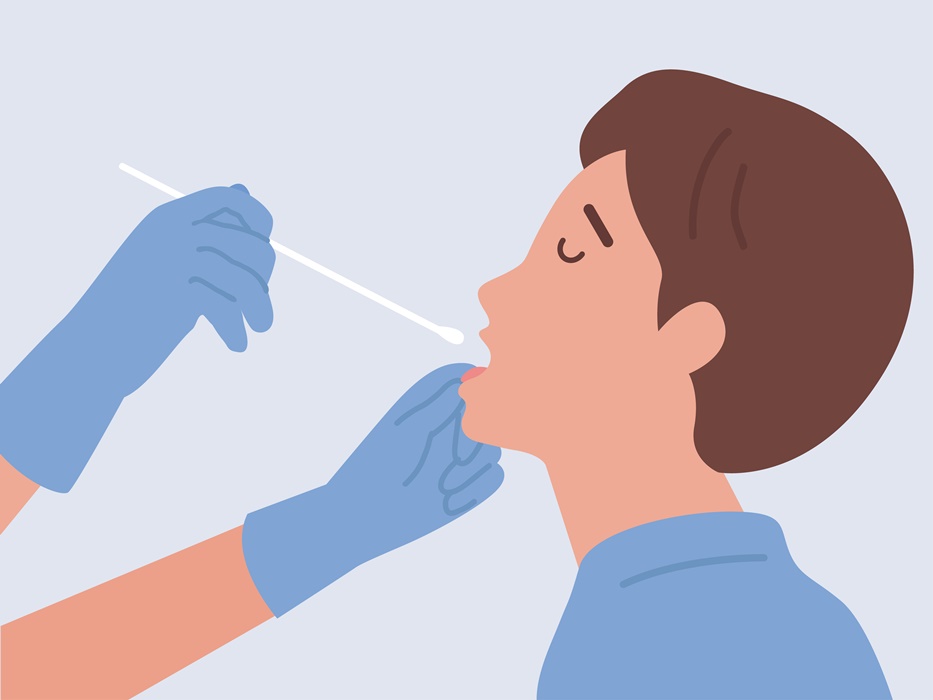
There are two main tests – rtPCR testing (reverse transcription polymerase chain reaction) and antigen testing. Both are done by means of a nose-throat swab.
The rtPCR detects virus genetic material in the swab sample. Although the amount of genetic material is small, this test amplifies the amount to a detectable level. The antigen testing on the other hand detects protein material of the virus envelope. Between the two, rtPCR is more sensitive but the testing is very sophisticated and takes longer than antigen testing. Antigen testing is less accurate, but the results are quicker.
What will happen during the test?
During testing, a qualified healthcare professional will firstly confirm your details and explain the procedure. They will then
introduce the first swab into each nostril of the nose. The second swab is taken from the throat. The procedure is very quick and bearable.
How can testing be used to manage COVID?
From the beginning, WHO has called for “test, test, test”, calling for nations to test COVID-19 liberally. The more people we test, the better the case detection and disease containment. Once a person tests positive, they will be advised to isolate. Those who have come into contact with COVID-19 should also be tested, even if they are asymptomatic, and they should be quarantined until the results are available. Some close contacts may be placed in quarantine despite testing negative depending on the risk assessment.
Who should be tested?

COVID-19 disease symptoms vary, common examples are fever, cough, difficulty breathing, runny or blocked nose, sore throat, loss of smell and/or taste, and fatigue. These symptoms are not exclusive to COVID but other respiratory tract infections such as influenza. Some people have typical symptoms such as nausea, vomiting, abdominal pain, chest pain and more. COVID-19 has been known to present as heart attacks, strokes, and blood clots in the lungs or legs. More worryingly, many of those infected are asymptomatic ie no symptoms.
If you have any of the common symptoms above, you certainly should be tested, regardless if you have been fully vaccinated or have had COVID-19 in the past. It is important to isolate whilst waiting for the test results. If you test positive, you will be contacted by your healthcare provider for further instructions, including testing of close contacts.
If you happen to be in close contact with a COVID-19 case, you should also be tested. Again, it is important to quarantine whilst waiting for the test results.
Some people with symptoms but have tested negative, may be advised to repeat their swab test after several days if their
healthcare provider highly suspects COVID-19. In the meantime, they would be advised to quarantine whilst waiting for the repeat result.
Currently, there is no curative treatment for COVID-19, but getting tested would ensure that a person with COVID-19 receives advice and treatment, begin isolation to curb further spread, and those who had been in contact are screened in a
timely manner.