



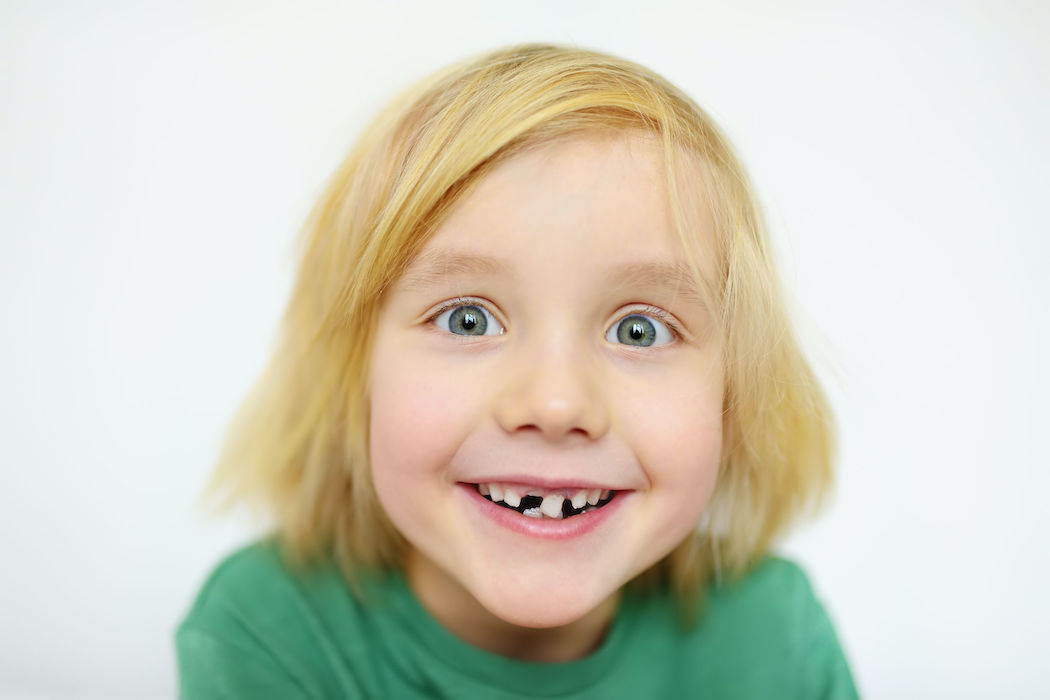


 Q: Is it normal for a 4-year-old to loose his tooth at his age?
Answered by: Dr Lim Ee Sze, Consultant Paediatrician, Pantai Hospital Klang (PHK)
Teething begins at about 5 months of age even though the first actual tooth actually appears only at about 6 months. Occasionally, it can be as early as four months or as late as close to one year of age. Sometimes teething presents with the infant being fussy, cranky, uncomfortable, and drooling more than usual. Body temperature can be mildly elevated, though not to the level of fever (<38 C).
These symptoms do not usually last more than 3 to 5 days at a time. Often the symptoms disappear once the new tooth appears. The first tooth to erupt is usually a lower central incisor at 6 months, followed by an upper central incisor and then the rest of the incisors by 10 months. The first molars appear at 14 months and canines at 18 months. Second molars are often the last to appear between 2 and 3 years of age.
Females tend to have their teeth earlier than males, but the pattern of teething is also often hereditary. Infants chew on objects in an effort to relieve their discomfort, preferably a teething toy that has been certified safe from being a choking hazard and which does not lose its coat of paint into the mouth of the infant. Overseas it is common practice for mothers to wrap a piece of frozen vegetable in a teething wrap as a teething tool. The cold temperature provides additional help to soothe the gums.
Most infants do not need medicated teething applicant gels. However, if the pain disturbs feeding to the extent oral milk consumption is not only slower but drops in volume until urine output is reduced, or the infant is irritable to the extent he is unable to sleep like he usually does, the baby ought to be brought to consult a doctor. The doctor will ensure that the baby is not having a fever and that there are no signs to indicate that there is a viral infection called herpetic gingivostomatitis, whereby not only are the gums swollen but there are oral ulcers in the mouth.
In such cases though most teething applicant gels can be purchased over the counter without a doctor’s prescription, it is important to note that those gels containing steroid preparations should not be used as these can allow the herpetic infection to be even more florid. The practice of buying over-the-counter preparations for young infants should be thoroughly discouraged.
Oral hygiene is as important for milk teeth as it is for permanent teeth. Brushing can begin from infancy with the softest bristles and without any toothpaste. Harmless enzymes that can be swallowed can sometimes be used with the toothbrushes if oral care in challenging.
Milk teeth begin to fall naturally at 5 years of age. There is usually no cause for concern should the milk teeth fall even earlier but often there are elements of dental caries from consumption of sugary foods in such cases. The first teeth to fall at 5 years of age were often the first teeth to grow at 6 months. Permanent teeth within the gums apply pressure on the milk teeth and loosen the roots until the milk teeth fall. The resulting gap is then where the permanent tooth is then placed.
Sometimes it is wise to consult a dentist to intentionally remove the moving milk tooth to prevent accidental swallowing or if the permanent tooth is erupting behind the milk teeth. Good oral hygiene is of paramount importance.