



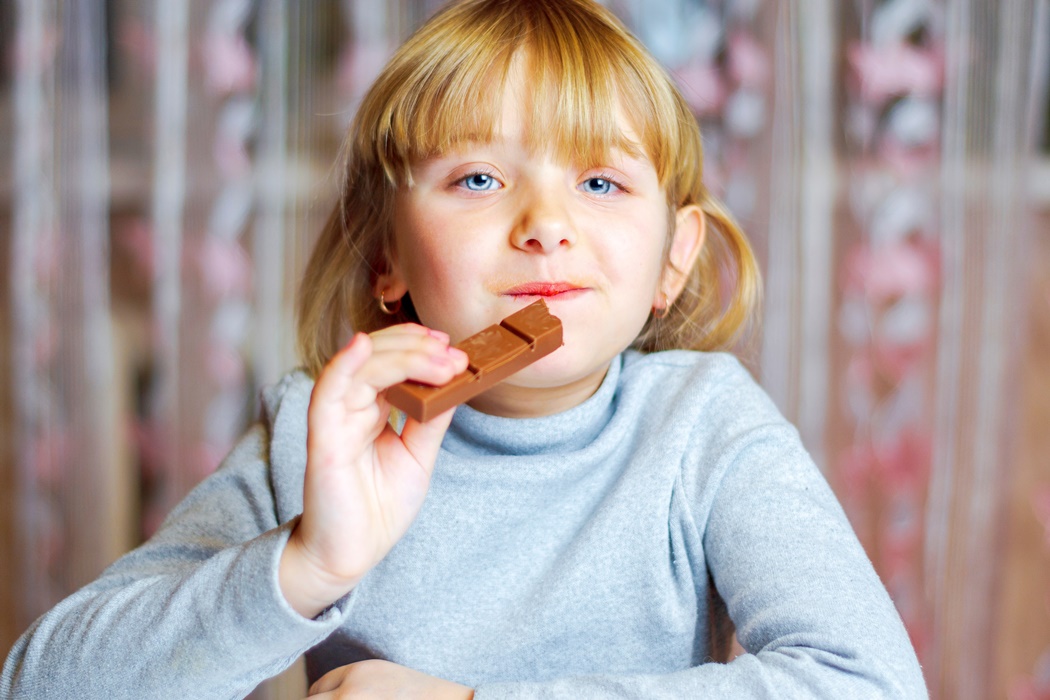


Chocolate is a beloved comfort food for many, and kids are no exception. They enjoy this sweet treat without worrying about its health implications. As parents, you might wonder whether chocolate is good for children. The answer is straightforward: chocolate is a treat and should be enjoyed in moderation, not as a staple food.
Here’s some useful information to help you choose the right kind of chocolate to ensure your child’s health isn’t compromised. But first, let’s explore some interesting facts about this delightful treat.
Did You Know the Origin of Chocolate?
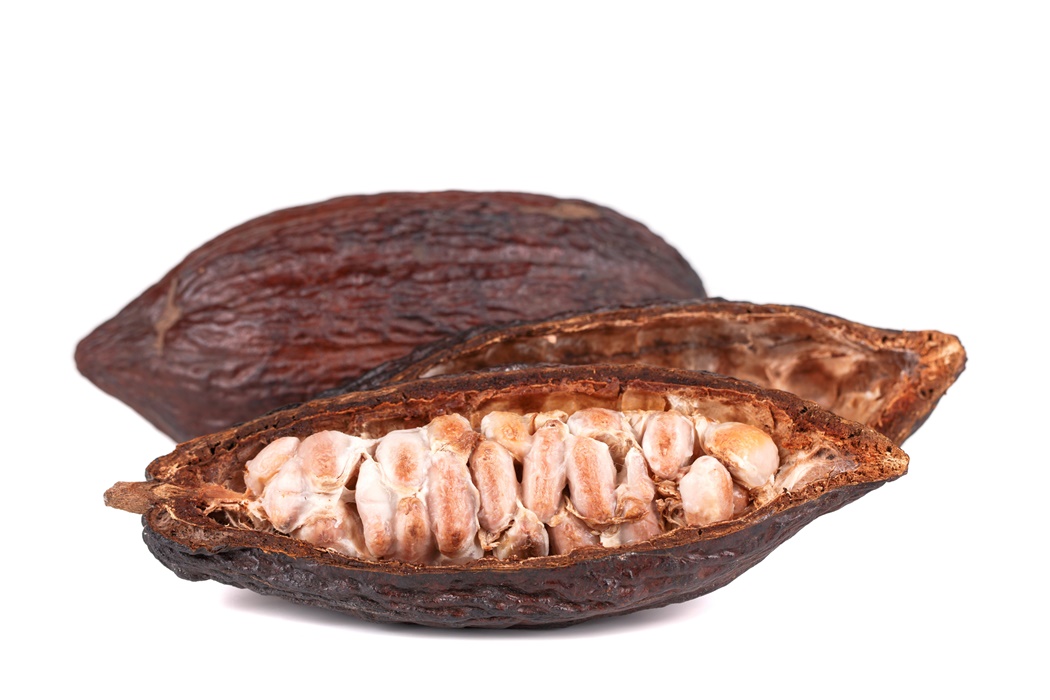
Chocolate’s history dates back 4,000 years to ancient Mesoamerica, present-day Mexico, where the first cacao plants were discovered. The Olmecs, one of the earliest civilizations in Latin America, were the first to turn the cacao plant into chocolate. They drank chocolate during rituals and used it as medicine.
Today, we celebrate World Chocolate Day annually on July 7th. This holiday, which began in 2009, honors one of the world’s favorite foods. It commemorates the introduction of chocolate to Europeans, believed to have occurred in July 1550. Although the exact origins of this holiday are unknown, chocolatiers, chefs, and chocolate enthusiasts worldwide have embraced it, offering numerous ways to celebrate each summer.
Types of Chocolate for Children
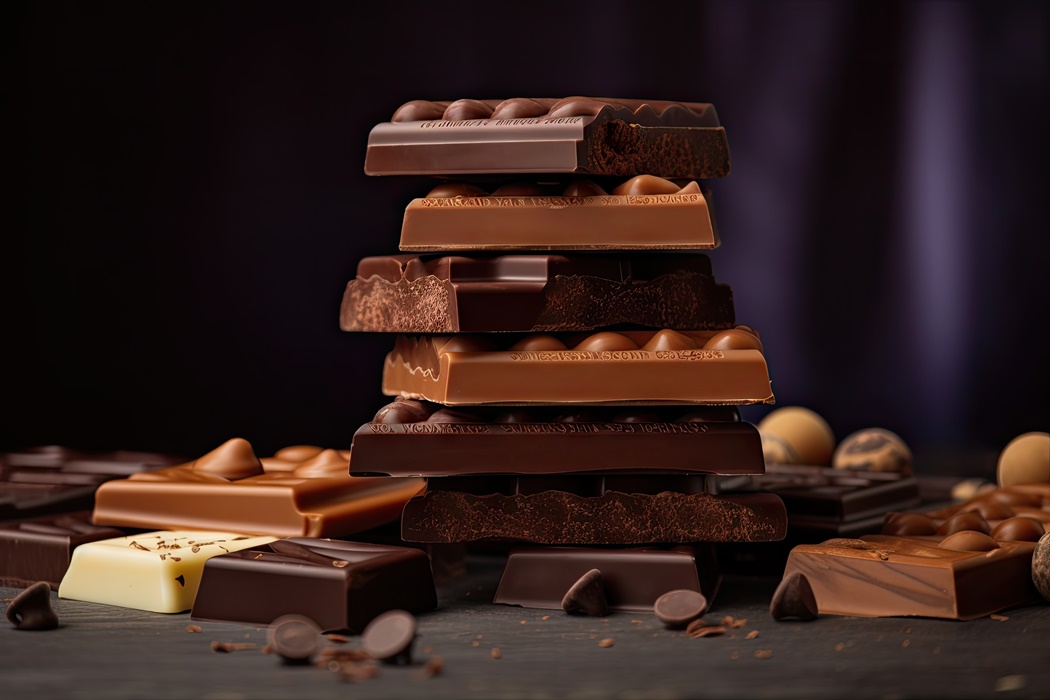
Is chocolate bad for toddlers? Not necessarily. While it does contain sugar and fat, it should be eaten in moderation. It’s important to be mindful of the type and quantity of chocolate consumed. Here are some guidelines on choosing the right kind of chocolate for young children:
- Dark chocolate: Contains antioxidants and may offer some health benefits when consumed occasionally. Parents should monitor their children’s intake and encourage a balanced diet overall.
- Nutty chocolate: If your child is allergic to nuts, avoid chocolate containing nuts or hazelnut paste, which are common allergens.
- Milk chocolate: Sweet and smooth, but it’s best to choose chocolate with a high percentage of cocoa rather than high sugar content.
- White chocolate: Best avoided, as it contains no cocoa and a high percentage of sugar and fat.
Beneficial or Harmful?

Can you separate children from chocolate? Are you worried about the sugar and caffeine content? Research suggests that chocolate can have positive effects on kids. For example, it can improve a child’s mood, reduce plaque, and may even help with diarrhea.
- No hyperactivity: Despite containing sugar and caffeine, a 2006 study by Australian researchers found that chocolate does not affect behavior in preschoolers.
- Tooth decay: A 2008 study from India found that chocolate mouthwash can reduce plaque and bacteria that cause tooth decay. This mouthwash was sugarless and had a bitter taste.
- Prevent diarrhea: According to a 2005 study at a children’s hospital, cocoa beans can prevent diarrhea due to their high flavonoid content, which stops the body from producing large amounts of diarrhea-causing fluids. California researchers suggest that dark chocolate, which has more cocoa, may offer mild relief for diarrhea.
However, chocolate has its downsides. High sugar intake can affect children’s behavior, making them act goofy, moody, cranky, and tired later. This highlights the connection between diet, especially high-sugar foods, and children’s behavior.
The Key Takeaway
Scientists can conduct numerous studies, but as parents, you know what is best for your child. Moderation is key, and seeking advice from your pediatrician is essential. Enjoy chocolate as an occasional treat, not a dietary staple, to ensure your child’s health and well-being.