





According to the National Health and Morbidity Survey 2019, 1 in 5 Malaysians were anaemic[1]. Iron Deficiency Anemia (IDA) is a condition that occurs when our body lacks the mineral iron to produce sufficient hemoglobin.
Here is the list of facts that will make you more aware of IDA.
1. The severity of IDA changes with every cause

IDA can be caused by various reasons ranging from lack of iron in our daily nutritional intake, increased iron requirements during pregnancy, to increased blood loss through heavy periods or internal bleeding.
Maternal iron deficiency has been linked to increased risk of premature birth and children born with low birthweight and these children unfortunately are often more prone to IDA.
2. IDA as Hidden Hunger
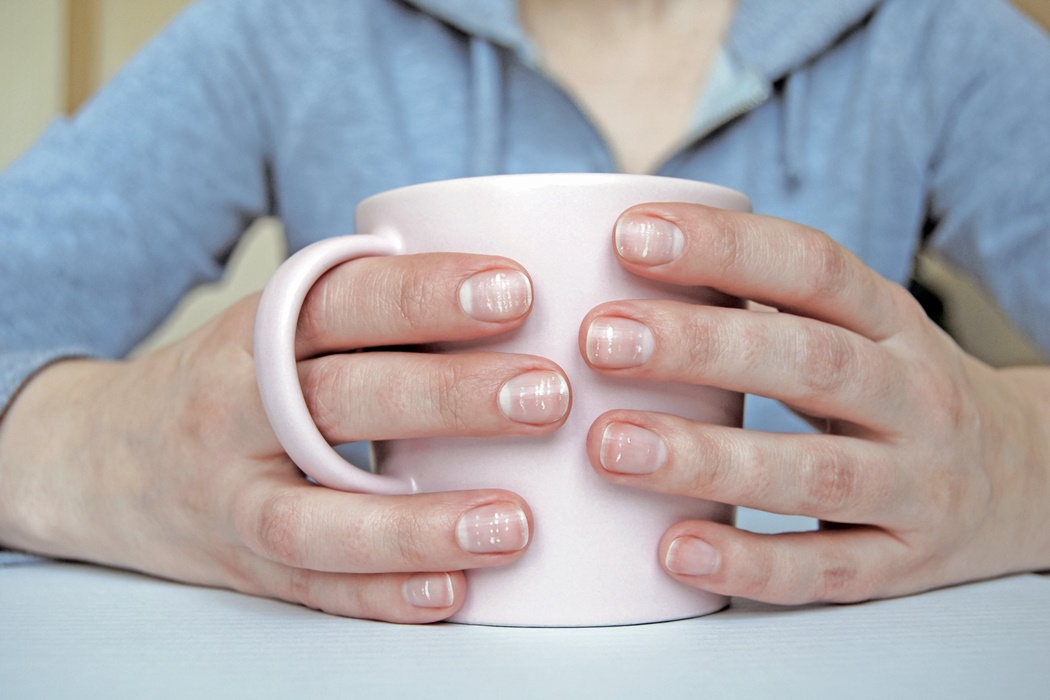
The most critical and common cause for IDA is iron deficiency, this condition can go unnoticed because the general public has no way of knowing it in the absence of a complete diagnosis by a HCP. This health problem is known as ‘hidden hunger’, caused by the lack of micronutrients intake such as iron, vitamin A, iodine, and zinc in our daily diet, which eventually leads to malnutrition.
3. Women of reproductive age and children are prone to anaemia[2]
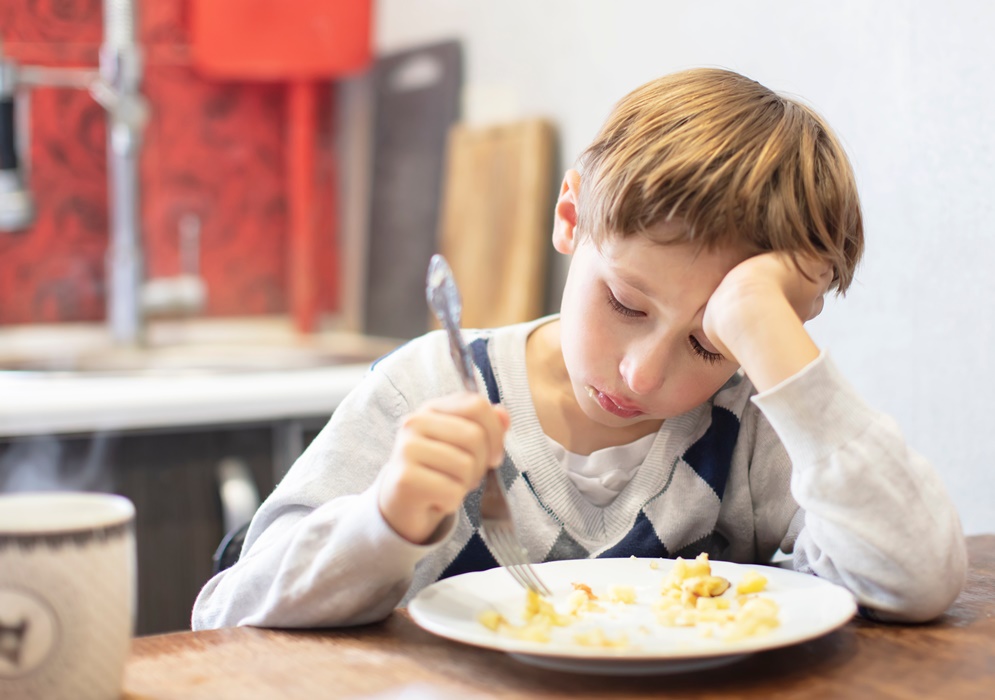
According to Malaysia’s National Health and Morbidity Survey (NHMS), 3 out of 10 women of reproductive age from 15 to 49 years have anaemia[3] and approximately 644k children in Malaysia below the age of 5 are affected in Malaysia[4] .
4. Malnutrition is a huge contributor to stunting in children’s growth, which increases the risk of IDA

Almost a quarter of all children under 5 years of age are stunted and in Malaysia itself[5], the stunting rate among children below five years grew to 21.8 per cent in 2019[6].
Do you know the prevalence of anaemia is higher among stunted children and women?[7]
5. IDA can have severe irreversible consequences for physical and cognitive development in children
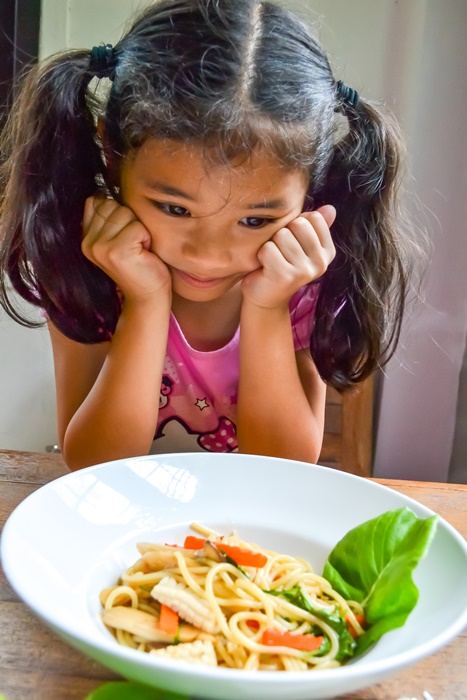
Keep an eye out on your child’s energy, focus, and ability to learn, as these are commonly affected by anaemia. Children with anaemia caused by very low levels of iron in their blood may also eat strange non-food things such as ice, dirt, clay, paper, cardboard, and cornstarch.
6. A well-balanced diet is important
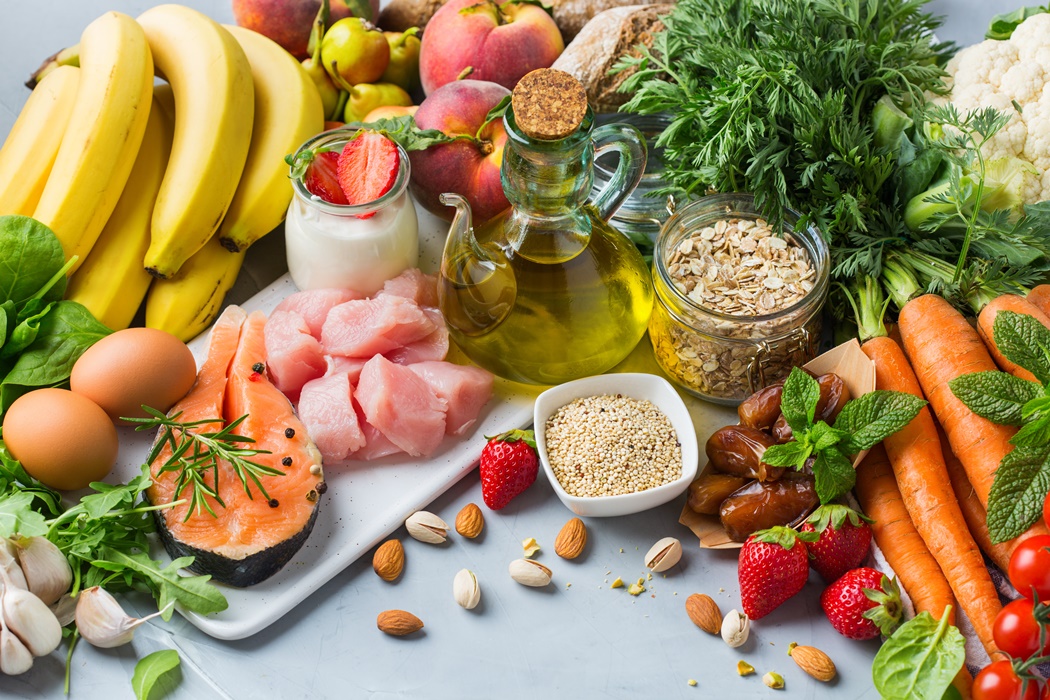
It is important to feed children with a well-balanced diet with foods that contain iron, such as red meat, fish, egg yolks, beans (lentils, soy) & iron fortified cereals, and so on, to ensure they are not deprived of the nutrients they need for healthy growth.